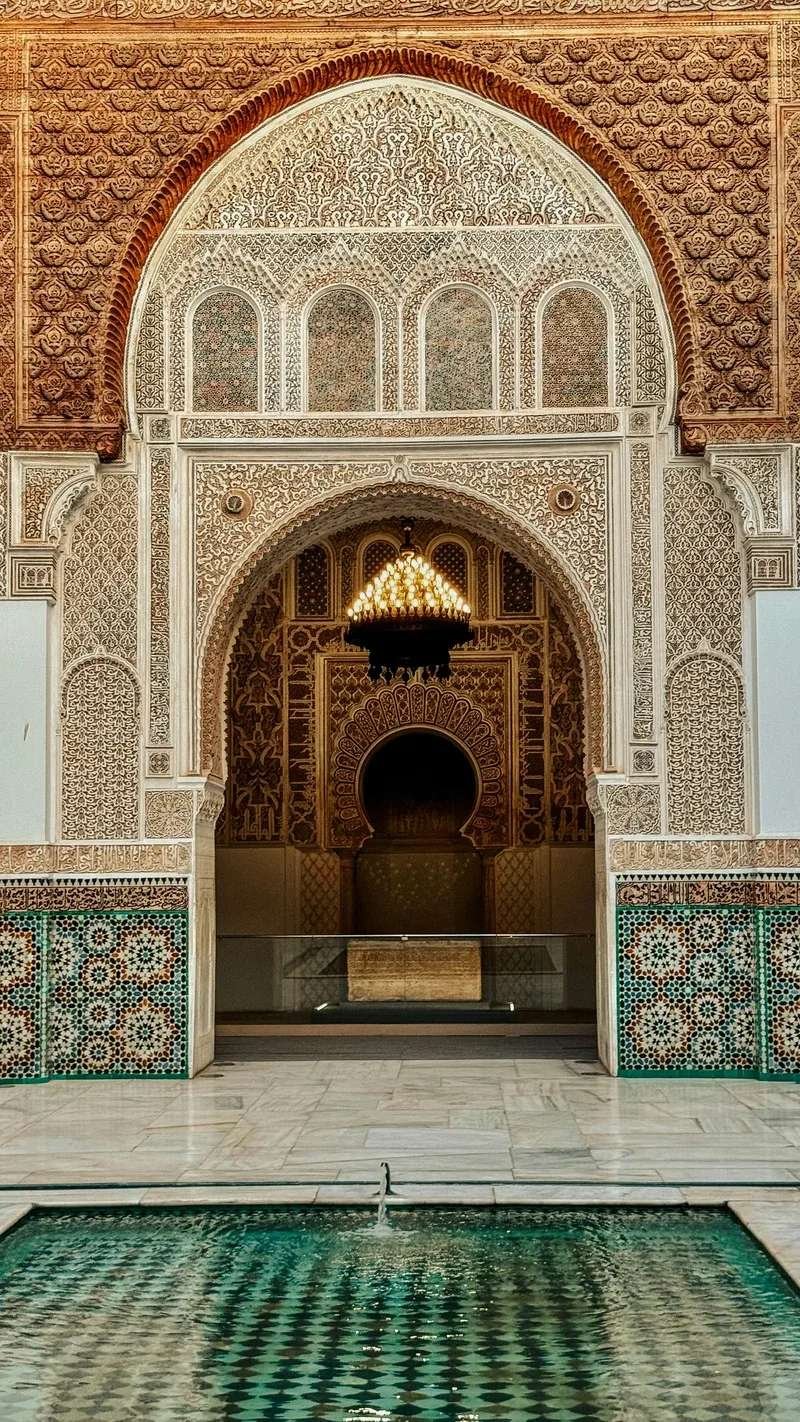
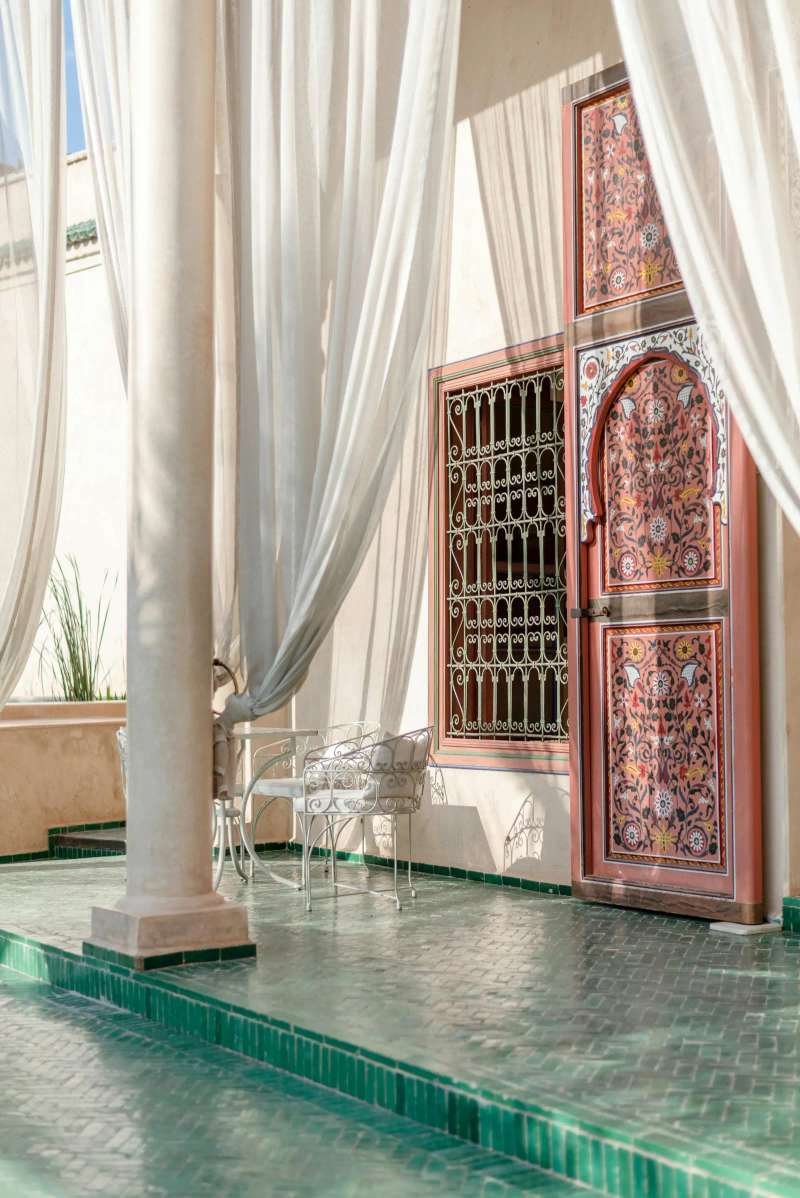
Understand Morocco's layered history through access most travelers never achieve. Work with historians, explore medinas deeply, and discover Morocco's living heritage.
Private access to architectural sites and artisan workshops
8-14 days of immersive cultural exploration from $2,800
What Defines These Journeys
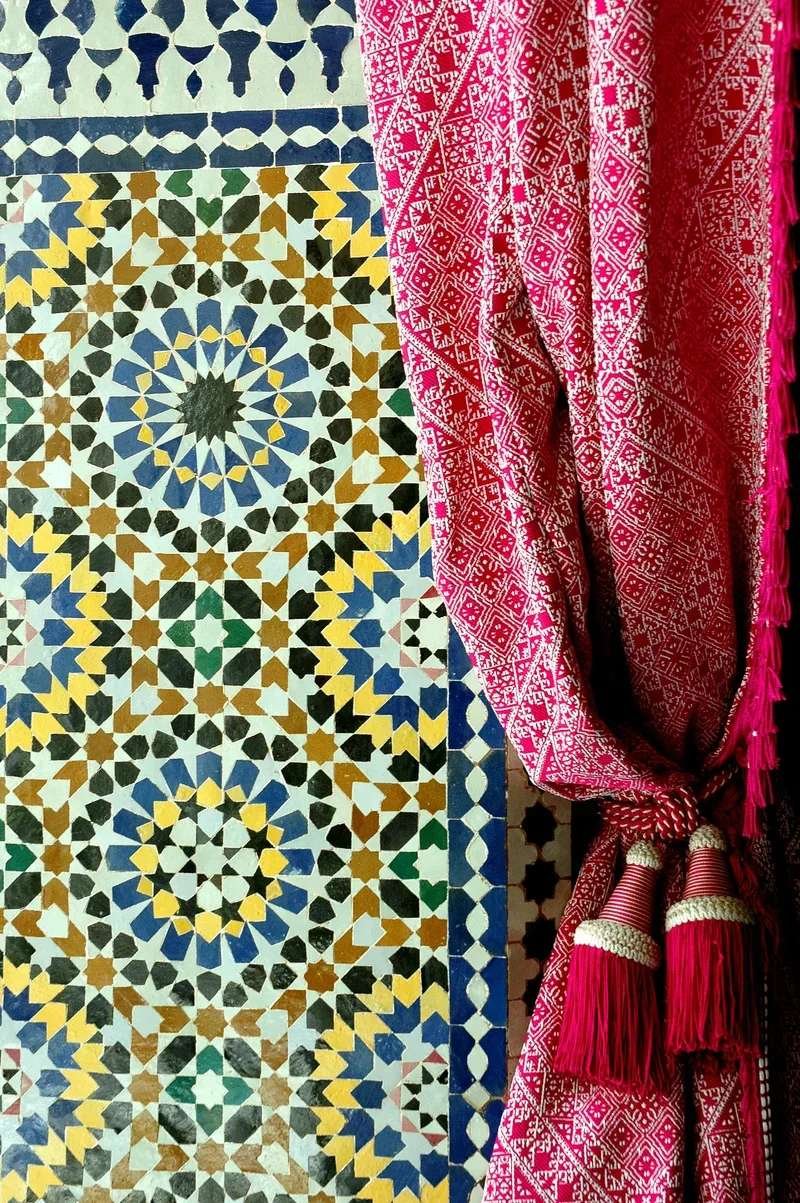
Cultural travel requires different pacing. Spending three hours in a single neighborhood with someone who can explain what you're seeing teaches more than a full day of site-hopping. Understanding why zellige tile patterns follow specific geometric rules matters more than photographing them quickly.
These journeys work for travelers who value context, who want to understand rather than merely observe, who recognize that Morocco's most significant cultural treasures aren't behind museum glass.
What You'll Experience
Move through Morocco's cultural landscape with historians, artisans, and specialists who reveal layers of meaning invisible to conventional tours.
Historical Context, Not Just Sites
Move through Morocco's imperial cities with guides who understand architectural history, religious significance, dynastic politics, and regional variations. Learn to read buildings like texts, understanding how construction techniques reveal age, purpose, and cultural influences.
Living Heritage vs. Museum Culture
Morocco's cultural traditions remain practiced, not merely preserved. Artisans still work using centuries-old techniques. Medinas function as living neighborhoods. Mosques built 900 years ago still serve their original purpose. You engage with culture that's alive, not archived.
Craft Traditions Through Hands-On Work
Spend time in workshops with master artisans: woodcarvers, tile makers, metalworkers, weavers. Not brief demonstrations, but extended sessions where you attempt the work yourself. Understanding craft difficulty changes how you see finished work throughout Morocco.
Regional Cultural Diversity
Fes differs from Marrakech in architecture, craft traditions, and cultural character. Coastal towns show Portuguese influence. Mountain villages preserve Berber traditions. Each region offers distinct cultural experiences. We design itineraries that highlight these differences rather than treating Morocco as homogeneous.
How This Works
Who This Works For
Travelers prioritizing cultural understanding over site accumulation. Architecture enthusiasts wanting to understand Moroccan building traditions. Anyone fascinated by craft traditions and Islamic art. History readers seeking to understand what they've read about Morocco. Cultural travelers who've visited Mediterranean Europe and Asia extensively and want depth in a new region.
What We Handle
Access arranged through established relationships: private workshops with artisans who rarely receive visitors, extended time in sites that typically allow only brief tours, local historians and architectural specialists as guides, introductions to craftspeople, restoration specialists, and cultural practitioners. You move through Morocco's cultural landscape with access that requires years of relationship-building to achieve independently.
These itineraries show different approaches to Morocco's cultural heritage. Most travelers customize them: change cities, adjust workshop focus, emphasize specific historical periods. We build around your interests rather than providing generic cultural tours.
Geometry Made SacredWhere Light LearnsColors of Centuries
Theme: Islamic architecture and traditional crafts with scholarly depth
Best for: First-time Morocco visitors wanting cultural depth, travelers prioritizing understanding over coverage
Pace: Thoughtful with time for learning and processing
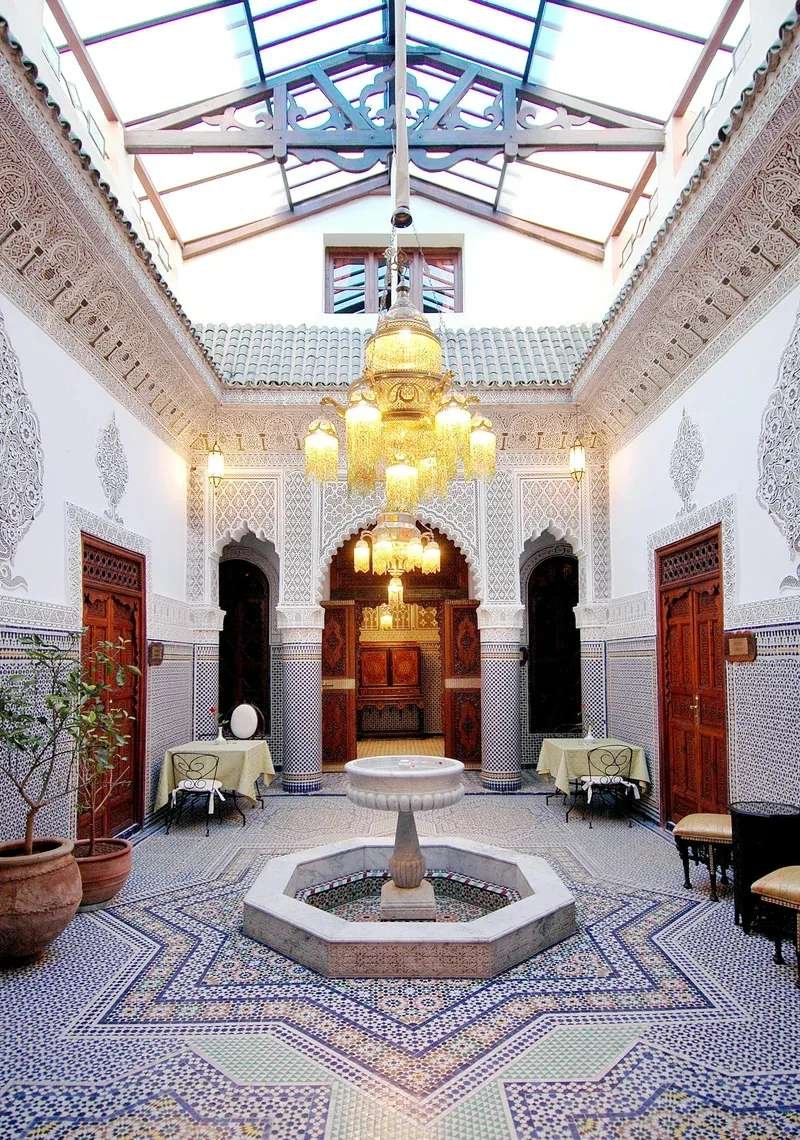
Your driver navigates the maze to where cars can go no further. Then: a porter with a cart, a walk through lanes that narrow until shoulders brush both walls, and suddenly a door opens onto a courtyard where a fountain plays beneath carved plaster arches.
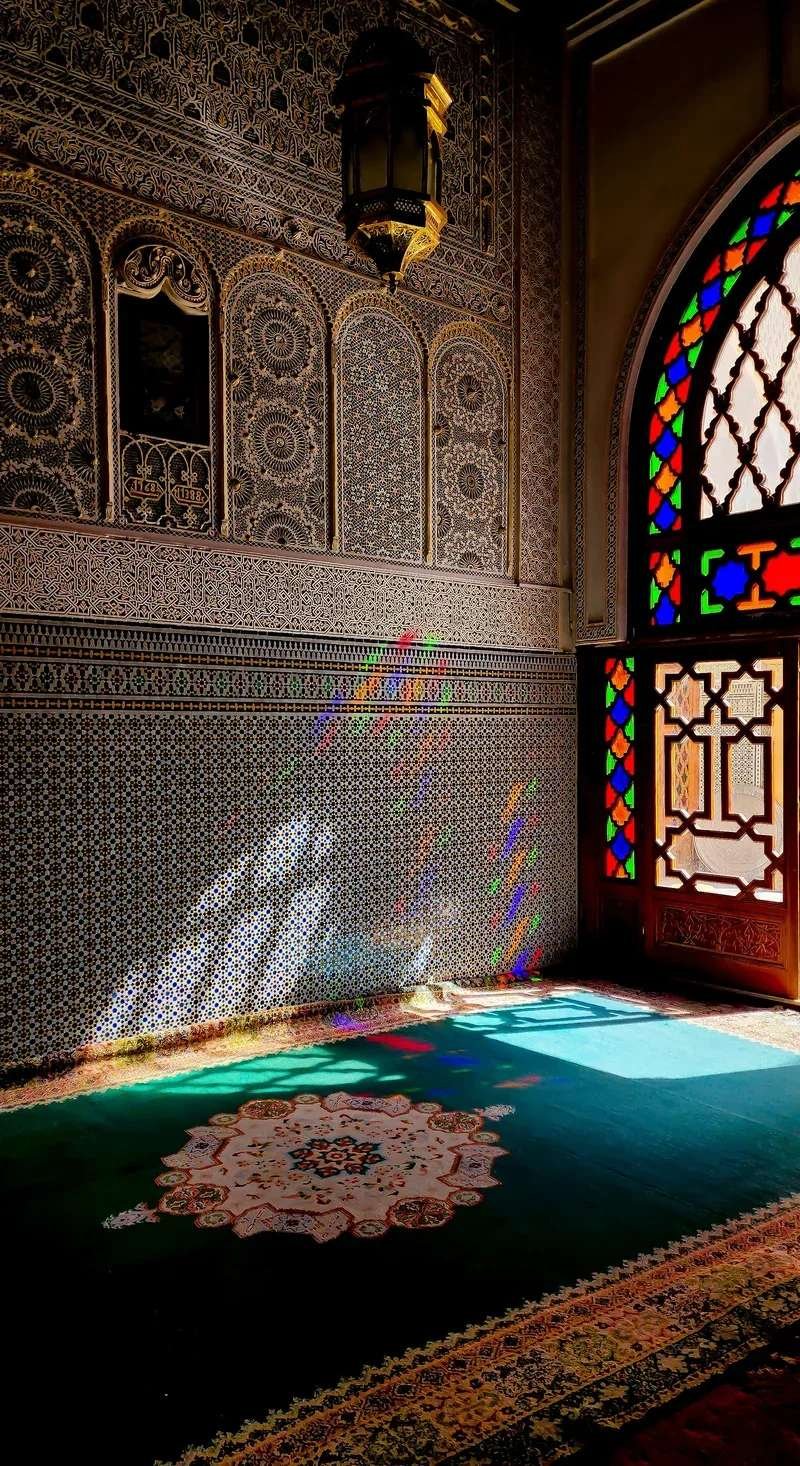
Your dar is itself the first lesson. The zellige tilework spans three dynasties-you'll learn to date these patterns before the week ends. The cedar ceiling was carved by artisans whose techniques remain unchanged over four centuries. The courtyard's proportions follow mathematical principles you'll come to understand. Before you formally begin studying Moroccan architecture, you're already living inside it.
Evening briefing with your cultural guide over mint tea. The week ahead takes shape: which sites you'll study, what questions to hold in mind, how the buildings you'll visit connect across centuries of Islamic artistic development. This is not tourism-it's education structured around wonder. Early night; the learning begins tomorrow.
Accommodation: Restored dar with architectural details, Fes medina
Day 2 Madrasa Architecture Study
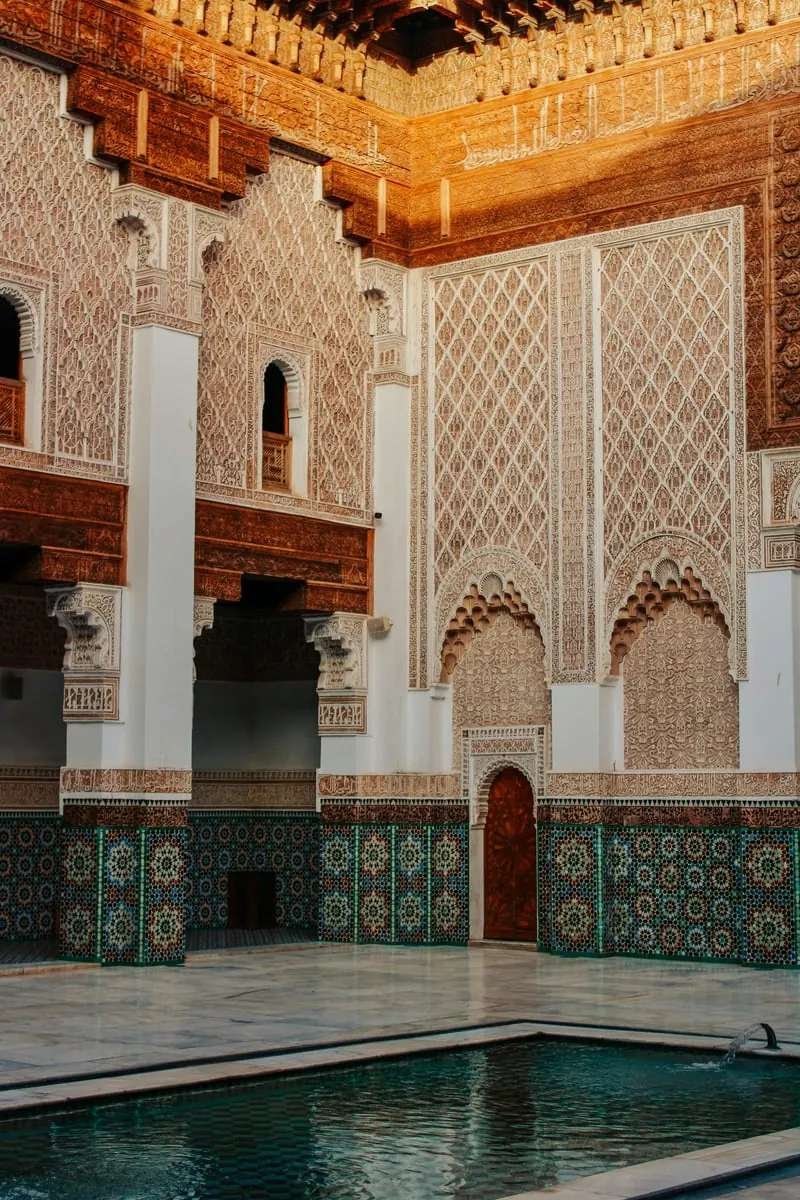
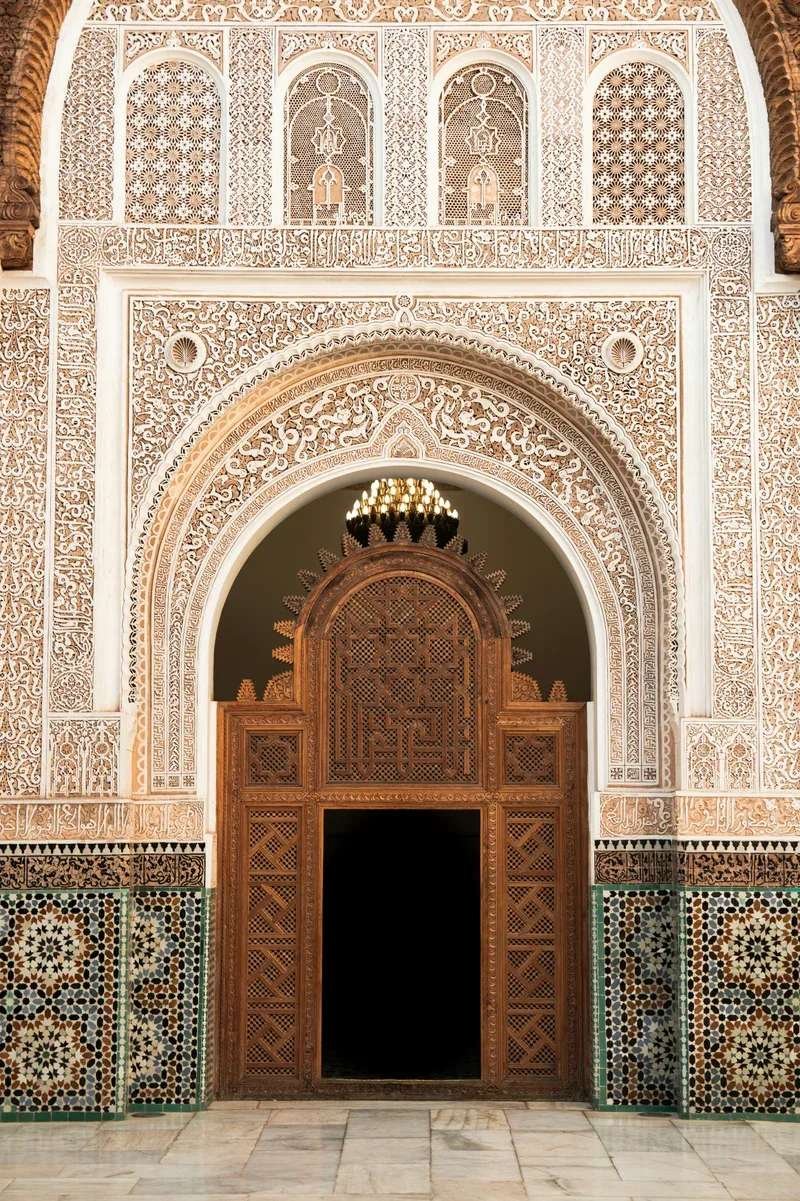
The Bou Inania Madrasa opens early, before crowds arrive. Three hours here-not a tour, but a seminar in three dimensions-with an architectural historian who trained at the Sorbonne before returning to the city his family has called home for six hundred years.
How Islamic geometric patterns derive from mathematical principles revolutionary in the thirteenth century. Why certain Quranic verses appear in specific locations-each placement carries theological meaning. What the relationship between water, light, and carved cedar reveals about Marinid cosmology. The details that distinguish fourteenth-century construction from later restoration. Your guide doesn't just point out beauty; he teaches you to read buildings as texts.
Afternoon at the Attarine Madrasa-smaller, more intimate, built a generation later. You're learning to compare now: how tilework palettes evolved, what remained constant, what individual craftsmen contributed versus what tradition mandated. The zellige begins to speak a language you're beginning to hear.
Evening free for processing. The information needs time to settle. Perhaps a walk through the medina as evening prayers echo-seeing the architecture you're learning to read, noticing details that yesterday would have passed unremarked.
Accommodation: Restored dar, Fes
Day 3 Fes Medina Architecture
Full day walking the medina-not as visitor but as student. Your historian reads buildings the way others read texts: that doorway's proportions indicate a fourteenth-century fondouk; those tiles reveal Andalusian influence; this lane's curve follows a buried stream that's shaped commerce for a millennium.
You learn to date construction by tilework palettes, to distinguish guilds by neighborhood placement, to understand why medieval commercial regulations-still technically in force-continue shaping which crafts practice where. The medina's apparent chaos reveals itself as deeply ordered: each neighborhood organized by trade, each trade positioned by historical accident and guild negotiation.
Lunch in a family dar that opens only for guests introduced by people like your guide. The grandmother serves dishes you won't find in restaurants while her grandson explains the family's history in this house-seven generations, through protectorates and independence and revolution.
By afternoon, you start noticing architectural details before your guide points them out. The tilework's date range. The plaster technique. The window placement that indicates which century. That's when understanding begins-when the buildings teach without interpretation.
Accommodation: Restored dar, Fes
Day 4 Craft Workshops
Morning in a zellige workshop where the master's great-grandfather worked these same benches. Four hours-not demonstration but attempt. You cut clay tiles into geometric shapes that must fit together without gaps, a precision that defeats most visitors within thirty minutes.
The mathematics become tangible in your hands. This pattern requires seventeen different shapes; miss the angle by a millimeter and the whole star collapses. The master corrects your attempts with patience born of knowing that understanding comes only through failure. When you later see palace walls covered in millions of hand-cut tiles, you'll understand what you're looking at: not decoration but devotion measured in years.
Afternoon with a plasterwork master. The tool is a knife; the medium is wet gypsum; the result, if you have decades of practice, resembles the lace that covers every significant Moroccan interior. Your attempts are clumsy, but clumsiness is the point-you're building appreciation through attempted mastery.
By dinner, your shoulders ache. Your fingertips are raw. You look at your dar's walls differently now. The carved plaster represents not wealth but time-someone's lifetime of skill pressed into gypsum.
Accommodation: Restored dar, Fes
Day 5 Fes Heritage
The mellah tells a different story. For five centuries, Fes's Jewish quarter developed parallel architectural traditions-similar decorative techniques, different spatial logic. The balconies overhanging the streets don't exist in the Muslim quarters. The synagogues feel like mosques until you notice what's missing, what's added, what the community adapted from the culture surrounding them while maintaining distinct identity.
Your guide today specializes in Jewish-Moroccan heritage-a scholar who's spent decades documenting what remains. The Ibn Danan Synagogue reveals how minority communities adopted majority aesthetics while preserving religious requirements. The cemetery's stones speak of dynasties few visitors know existed: families who traded from Senegal to Amsterdam, who advised sultans, who maintained Hebrew while speaking Judeo-Arabic.
Afternoon: private access to a riad restored by an architect obsessed with historical accuracy. He walks you through restoration decisions that took years to research-what color that particular blue should be (based on pigment analysis of surviving fragments), how thick the plaster should layer (examining medieval construction manuals), why certain tiles were ordered from the one remaining master who still fires them correctly. This is preservation as vocation, as calling, as form of worship.
Accommodation: Restored dar, Fes
Day 6 Transition to Marrakech
The drive south traces Morocco's historical layers. Volubilis first-Roman Morocco preserved in olive groves, columns and mosaics demonstrating that this land has absorbed civilizations for millennia. Walking the ruins with your guide, you understand what the Islamic builders who came after inherited: urban planning principles, decorative traditions, the very concept of public architecture serving divine purpose.
Meknes reveals the Alawite dynasty's approach-Moulay Ismail's massive walls, the granaries that held food for 12,000 horses, the monumental gates built by captive labor. A different Morocco than Fes: more brutal, more ostentatious, the architecture of absolute power rather than scholarly devotion.
The contrast illuminates what you learned in Fes. The Marinid madrasas embodied one vision of Islamic space; Meknes embodies another. Your guide draws connections: how dynasties adopted and adapted forms, what remained constant across political change, why certain aesthetic choices persisted while others vanished.
Arrive Marrakech as evening settles. Your riad occupies the heart of the medina-another restored house, another opportunity to live inside the architecture you're studying. But already you see differently. The tilework tells you its approximate date. The plaster technique reveals its origin. You've begun reading buildings.
Accommodation: Restored medina riad, Marrakech
Day 7 Saadian Marrakech
The Ben Youssef Madrasa with a specialist in Saadian-era architecture. You've spent four days studying Marinid Fes; now you compare. The scale is larger-Marrakech was imperial capital, building for display. The Andalusian influence shows clearly: refugees from reconquista Spain brought techniques unknown in Morocco, and the synthesis created something new.
Your guide draws connections you couldn't have seen without the Fes foundation. How tilework patterns migrated south. Why certain colors dominate here but not there. What the Saadians borrowed from their predecessors and what they invented. The building becomes a document in an ongoing conversation across centuries.
Bahia Palace for late nineteenth-century revival. The work is magnificent-but you see now what's authentic and what's neo-traditional, what follows historical techniques and what merely imitates them. Your analytical tools are sharpening.
El Badi Palace ruins in afternoon light. Storks nest on the remaining walls. Water has vanished from pools designed to reflect the sky. The spatial organization still teaches even in rubble-you can reconstruct the whole from fragments because you understand now what the builders intended. Your guide confirms observations rather than lecturing. The shift has happened: you're reading independently.
Accommodation: Restored riad, Marrakech
Day 8 Marrakech Crafts
Morning woodcarving workshop exploring how Marrakchi techniques differ from Fassi. The patterns are bolder here, less refined, but the skill required is no less demanding. The master carver's hands move with unconscious precision developed over forty years; your hands move with conscious clumsiness that teaches through failure.
Cedar shavings accumulate. Slowly, something resembling a pattern emerges from your blank. The master corrects angles, adjusts grip, demonstrates cuts that your muscles can't yet replicate. When you walk through palaces later, running your eyes across carved ceilings, you'll see individual cuts now-the millions of decisions that construct what looks like seamless ornament.
Afternoon in the metalworking souks, where the sound announces itself from blocks away: the rhythmic hammering of brass and copper, patterns beaten into metal by workers who've inherited techniques and tendonitis from their grandfathers. You try. Your arms tire within minutes. Understanding why hand-hammered trays command their prices comes from feeling the labor in your shoulders.
Final evening in the medina. Tomorrow you leave-but tonight, walk through souks where craftsmen continue the traditions you've spent a week studying. The zellige cutters. The plaster carvers. The brass workers. Each now carries meaning beyond the decorative.
Accommodation: Restored riad, Marrakech
Day 9 Departure
Morning free for final exploration. Perhaps a return to Ben Youssef, seeing details that reveal themselves only to prepared eyes. Perhaps wandering through souks with the analytical tools you've developed-dating tilework, identifying techniques, reading buildings without guidance.
Or simply sitting in your riad's courtyard, surrounded by the architecture you now understand. The zellige patterns are no longer just beautiful; they're geometrically precise solutions to mathematical problems. The carved plaster isn't merely decorative; it represents someone's lifetime of skill. The cedar ceiling didn't just happen; it was designed according to principles you can now articulate.
Private transfer to Marrakech airport carries you through the medina's ancient gates, past gardens and ramparts you now see historically. Nine days end-but the analytical framework travels with you. In Spain, in Turkey, in Iran, wherever Islamic architecture exists, you'll apply what you've learned. Morocco has given you tools for seeing that work beyond its borders.
You arrived as a tourist. You leave as something closer to a student-not expert, never expert, but someone who's begun to understand what these buildings mean, why they were built, how they speak across centuries to anyone willing to learn the language.
This Includes:
8 nights in architecturally significant riads and dar
All breakfasts
Private cultural specialist guides (Fes 4 days, Marrakech 2.5 days)
All madrasa, palace, and site admissions
Three artisan workshop sessions (zellige, plasterwork, woodcarving)
Private riad access in Fes
Private driver for Fes-Marrakech transfer via Meknes and Volubilis
24/7 support
Doesn't Include:
International flights
Lunches and dinners (flexibility for your preferences)
Personal purchases
Travel insurance
Theme: Regional diversity with Berber and Arab-Andalusian traditions
Your driver navigates the maze to where cars can go no further. Then: a porter with a cart, a walk through lanes that narrow until shoulders brush both walls, and suddenly a door opens onto a courtyard where a fountain plays beneath carved plaster arches.
Your dar is itself a lesson. The zellige tilework dates from three dynasties; the cedar ceiling was carved by artisans whose techniques haven't changed in four centuries. Before you formally begin studying Moroccan architecture, you're already living inside it.
Evening briefing with your guide over mint tea. The days ahead take shape: what you'll study, who you'll meet, what questions to hold in mind. This is not tourism. It's education structured around wonder.
Accommodation: Restored dar with architectural details, Fes medina
Day 2 Madrasa Architecture Study
The Bou Inania Madrasa opens early, before crowds arrive. Three hours with an architectural historian who trained at the Sorbonne before returning to the city his family has called home for six hundred years.
This is not a tour. It's a seminar in three dimensions. How Islamic geometric patterns derive from mathematical principles that were revolutionary in the thirteenth century. Why certain Quranic verses appear in specific locations. What the relationship between water, light, and carved cedar tells us about Marinid theology.
Afternoon at the Attarine Madrasa-smaller, more intimate, built a generation later. You're learning to compare now, to notice how styles evolved, what remained constant, what the craftsmen were trying to achieve. The tilework begins to speak.
Accommodation: Restored dar, Fes
Day 3 Reading the Medina
Full day walking the medina-not as visitor but as student. Your historian reads buildings the way others read texts: that doorway indicates a fourteenth-century fondouk; those tiles reveal Andalusian influence; this lane's curve follows a buried stream that's shaped commerce for a millennium.
You learn to date construction by tilework palettes, to distinguish guilds by neighborhood placement, to understand why medieval commercial regulations-still technically in force-continue shaping which crafts practice where.
Lunch in a family dar that opens only for guests introduced by people like your guide. The grandmother serves dishes you won't find in restaurants. By afternoon, you're noticing architectural details before they're pointed out. Something has shifted.
Accommodation: Restored dar, Fes
Day 4 Zellige & Carved Plaster
Morning in a zellige workshop where the master's great-grandfather worked these same benches. Four hours of cutting clay tiles into geometric shapes that must fit together without gaps-a precision that defeats most visitors within thirty minutes.
You fail repeatedly. That's the point. When you later see palace walls covered in millions of hand-cut tiles, you'll understand what you're looking at: not decoration, but devotion measured in years.
Afternoon with a plasterwork master. The tool is a knife; the medium is wet gypsum; the result, if you have talent, resembles the lace that covers every significant Moroccan interior. You don't have talent-but you now understand the walls in your dar.
Accommodation: Restored dar, Fes
Day 5 Jewish-Moroccan Heritage
The mellah tells a different story. For five centuries, Fes's Jewish quarter developed parallel architectural traditions-similar decorative techniques, different spatial logic. Synagogues that feel like mosques until you notice what's missing. Dar built by merchants who traded from Senegal to Amsterdam.
Your guide for the day is a scholar of Jewish-Moroccan heritage. The cemetery's stones speak of dynasties few visitors know existed. The Ibn Danan Synagogue demonstrates how minority communities adapted majority aesthetics while maintaining distinct identity.
Afternoon: private access to a riad restored by an architect obsessed with historical accuracy. He walks you through decisions that took years to research-what color that particular blue should be, how thick the plaster should layer, why certain tiles were ordered from the one remaining master who still fires them correctly. This is preservation as vocation.
Accommodation: Restored dar, Fes
Day 6 Deep Craft Immersion
Six nights in Fes allows what shorter stays cannot: time for interests that emerged to be pursued. Choose your morning: leather tanning in the famous vats that still use pigeon dung and bark as medieval craftsmen did, or metalwork intensive with masters whose hammering patterns are recognized across Morocco.
Afternoon in the craft souks with a guide who apprenticed as a carpenter before becoming an academic. He explains guild hierarchies that function largely unchanged from the fourteenth century, shows you the subtle marks that distinguish masters from journeymen, introduces you to artisans who wouldn't speak to visitors who arrived without introduction.
Or return to a madrasa that captured your imagination. Six hours there if you want. The building will teach whatever you're ready to learn.
Accommodation: Restored dar, Fes
Day 7 Atlas Transition
The drive from Fes climbs through landscapes that shift every hour. Middle Atlas cedar forests give way to high plateau; the air thins and cools. Ifrane appears like a Swiss village teleported-a French colonial experiment that's now a weekend destination for Moroccan families.
Continue climbing into the High Atlas, where architecture transforms. Rammed earth replaces stone. Kasbahs cling to hillsides. Berber traditions-older than Arab arrival, shaped by mountain geography-become visible in every building, every village layout, every irrigation channel carved into rock.
Your mountain kasbah reveals itself against afternoon light: walls the color of the earth they're made from, terraces stepping down toward valleys, construction techniques that date from before Morocco had a name.
Accommodation: Restored kasbah or mountain guesthouse, Atlas Mountains
Day 8 Berber Traditions
The Berber world operates on different principles. Today you learn what those are.
Villages where stone houses cluster for warmth and defense. Communal structures-the agadir (granary), the mosque, the assembly space-that reveal how mountain communities organized themselves for millennia. Your guide reads the architecture: which families held power, how water rights were negotiated, what the decorative motifs on exterior walls communicate.
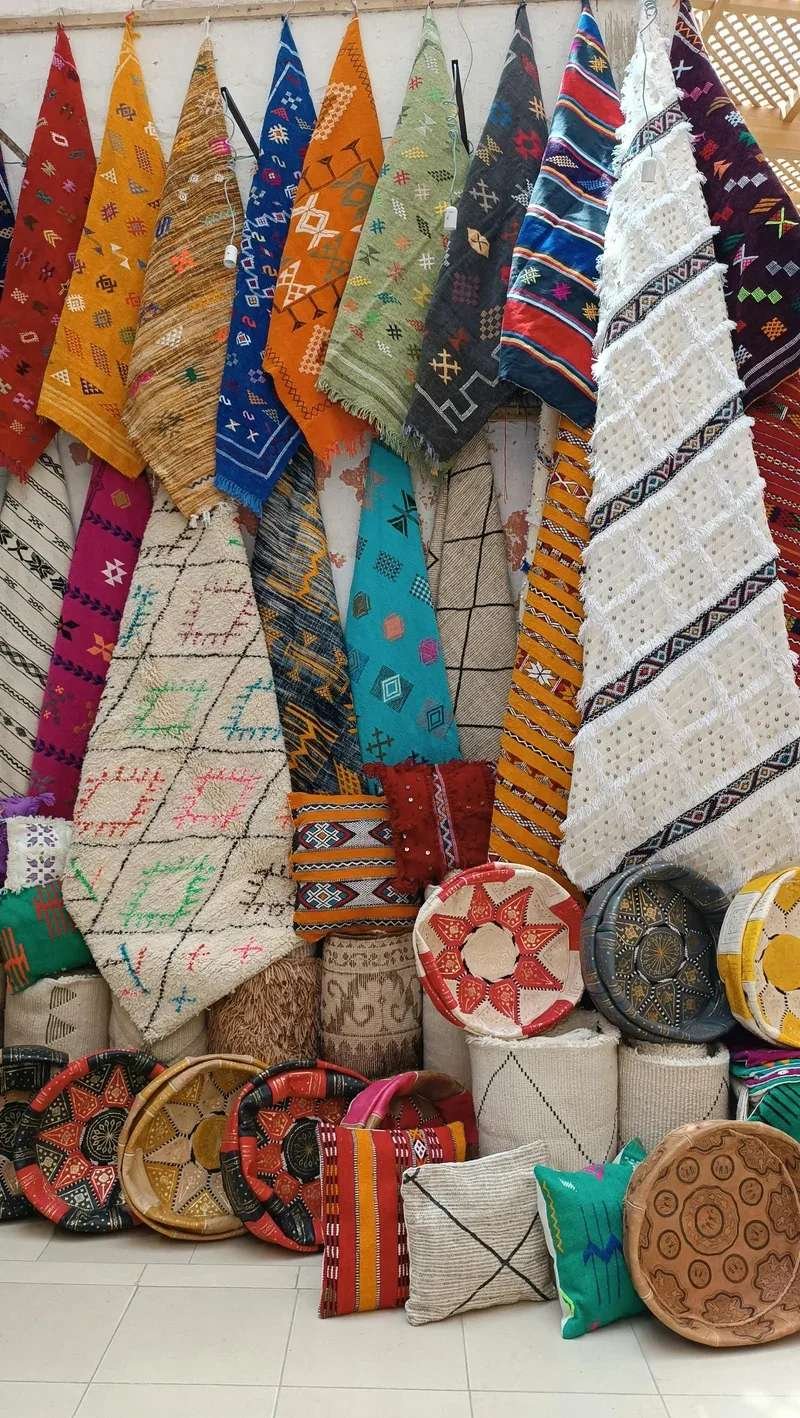
Afternoon at a women's weaving cooperative. The loom hasn't changed in two thousand years. Neither have the patterns-each region's carpets carry tribal signatures readable by those who know. You learn to tie the knots, to understand natural dyes, to recognize the difference between authentic tribal work and factory production. When you later encounter carpets in Marrakech's souks, you'll know what you're looking at.
Accommodation: Mountain kasbah, Atlas Mountains
Day 9 Mountain to City
Morning belongs to the mountains-perhaps a final walk through walnut groves, perhaps simply tea on the terrace as mist lifts from valleys below.
The Tizi n'Tichka pass carries you south then west, crossing the Atlas at 2,260 meters before descending toward Marrakech. The landscape transforms: alpine meadows become rocky scrubland become red earth become the palm groves that announce the Red City.
Marrakech feels different the moment you enter. Bolder architecture, more color, stronger Berber influence, more commerce. After Fes's intellectual refinement, Marrakech's imperial confidence strikes a different note entirely.
Your riad occupies a restored eighteenth-century home: courtyard fountain, citrus trees, zellige that's rougher than Fes but somehow more alive. Different city, different aesthetic, same devotion to craft.
Accommodation: Restored medina riad, Marrakech
Day 10 Saadian Marrakech
The Ben Youssef Madrasa with a specialist in Saadian-era architecture. You've studied Marinid Fes; now see how the Saadians-their dynasty shaped by Andalusian refugees fleeing Ferdinand and Isabella-created something both similar and distinct.
The comparisons come easily now. You notice what your guide was going to point out before she speaks. The way Andalusian tile palettes differ from Fassi traditions. How carved cedar shows Spanish influence. What the spatial organization reveals about a dynasty asserting legitimacy.
Bahia Palace for the late nineteenth-century revival-a grand vizier building himself a statement that quoted the past while embracing modernity. El Badi Palace ruins, where spatial organization still teaches through the rubble: you're reading the ghost of a building, and that reading comes naturally now.
Accommodation: Restored riad, Marrakech
Day 11 Marrakech Craft Traditions
Woodcarving workshop with masters whose techniques Fes would recognize but whose aesthetic is wholly Marrakchi-bolder, less intricate, designed for impact over contemplation. You carve cedar for three hours. What you make won't leave Morocco, but what you understand will.
Afternoon choice: brass and copper metalwork intensive, understanding the hammering patterns that create those distinctive geometric surfaces, or a carpet evaluation session with a dealer who knows which rugs come from which villages and why that matters.
Optional evening: drive to Essaouira for Portuguese-Moroccan architectural synthesis-fortifications that look Atlantic rather than Mediterranean, urban planning shaped by entirely different considerations. The coastal light alone justifies the journey.
Accommodation: Restored riad, Marrakech
Day 12 Departure
Morning free for whatever remains unfinished-a final walk through the medina with new eyes, a return to a craftsman whose work impressed you, one last attempt to photograph the light on carved plaster.
Private transfer to Marrakech airport carries you through the city you've come to know differently than most visitors ever will. Twelve days of immersion have given you something beyond memories: a framework for seeing. The zellige patterns that once looked decorative now reveal mathematical principles. The carved plaster that once seemed ornamental now demonstrates theological commitments.
You leave Morocco with tools for understanding that work far beyond these borders. That's what cultural immersion actually means.
Accommodation: Restored riad, Marrakech
This Includes:
11 nights in architecturally significant properties
All breakfasts
Private cultural specialist guides throughout
All madrasa, palace, and site admissions
Five artisan workshop sessions
Weaving cooperative visit
Private riad access in Fes
All transfers including Fes-Atlas-Marrakech route
24/7 support
Doesn't Include:
International flights
Lunches and dinners
Optional Essaouira day trip ($150)
Personal purchases
Travel insurance
Theme: Complete cultural exploration from Casablanca to the Sahara
Best for: Travelers with time for comprehensive regional understanding, deep focus across multiple specializations
Pace: Flexible with built-in time for deeper exploration
Morocco's economic heart offers an unexpected introduction. Casablanca is not ancient-it's early twentieth century Art Deco married to contemporary ambition. The airport gives way to boulevards that feel almost European, to architecture that tells a different Moroccan story.
Your hotel occupies a restored Art Deco building, all geometric facades and vintage ironwork. This is Morocco engaging modernity, and understanding it frames everything to come.
Evening walk along the Corniche as sunset gilds the Atlantic. Then through downtown, where French colonial ambition left buildings that wouldn't look wrong in Paris. Tomorrow you enter a mosque most visitors cannot-tonight you orient yourself to a Morocco few cultural travelers consider.
Accommodation: Art Deco hotel in central Casablanca
Day 2 Hassan II Mosque & Jewish Heritage
The Hassan II Mosque rises from the Atlantic like a declaration. Completed in 1993, it demonstrates that Morocco's craft traditions remain alive-six thousand artisans spent five years on the zellige, carved plaster, and cedar work. Non-Muslims rarely enter working mosques; here you walk where prayers are offered, understanding the spatial organization from inside.
Your guide trained in religious architecture. The experience becomes comprehensible: how the minaret's proportions follow classical rules, why the retractable roof was designed, what the 124,000 worshipers feel when the glass floor reveals the sea beneath their feet.
Afternoon at the Jewish Museum-the only one in the Arab world. Understanding the five-century presence that shaped commerce, craft, and culture. When you later encounter mellahs in Fes and Marrakech, you'll read them with informed eyes.
Evening transfer to Fes. Your dar awaits in the medina's heart.
Accommodation: Restored dar, Fes medina
Day 3 Madrasa Architecture Study
The Bou Inania Madrasa opens before the crowds. Three hours with an architectural historian whose family has lived in Fes since the Marinid dynasty built this very school in 1351.
This is not a tour. It's immersion in a building designed to teach-and teaching still, if you know how to learn. The mathematical principles underlying Islamic geometry. The theological significance of specific Quranic verses carved above specific doorways. How water, light, and carved cedar create a three-dimensional theology.
Afternoon at the Attarine Madrasa, intimate and intense. You're learning to compare now: what shifted between 1351 and 1323, what remained constant, what the craftsmen achieved that their successors couldn't repeat.
Accommodation: Restored dar, Fes
Day 4 Reading the Medina
The medina is the world's largest car-free urban area-9,000 lanes winding through a city that's functioned continuously since 789 AD. Today you learn to read it.
Your historian walks slowly, stopping at doorways that reveal centuries. That carved lintel indicates Andalusian refugees; those tiles date from the Saadian revival; this lane's curve follows a stream that was buried four hundred years ago and still shapes commerce today.
You learn dating techniques: tilework palettes, plaster textures, cedar aging. By afternoon, you're noticing before being told. The framework is taking hold.
Lunch in a family dar where the grandmother cooks what restaurants don't know how to make. The medina becomes less labyrinth, more language.
Accommodation: Restored dar, Fes
Day 5 Hands in Clay & Plaster
Four hours in a zellige workshop where the master's great-grandfather worked these benches. The tool is a hammer; the medium is fired clay; the challenge is cutting geometric shapes that must fit together without gaps.
You fail repeatedly. That's the point. When you later see palace walls covered in millions of hand-cut tiles-forty craftsmen working for years-you'll understand not just what you're seeing but what it required.
Afternoon with a plasterwork master. The technique involves carving wet gypsum with blades the size of butter knives. The results, when skillful, resemble lace transformed to stone. You're not skillful. But you'll never again walk past carved plaster without knowing what went into it.
Accommodation: Restored dar, Fes
Day 6 Jewish-Moroccan Heritage
The mellah-the Jewish quarter-developed distinct architectural traditions over five centuries. Synagogues that echo mosques until you notice what's missing. Dar built by merchants whose trading networks stretched from Senegal to Amsterdam.
Your guide today specializes in Jewish-Moroccan heritage. The cemetery's stones tell histories of dynasties few visitors know existed. The Ibn Danan Synagogue demonstrates minority communities adapting majority aesthetics while maintaining distinct identity.
Afternoon: private access to a riad restored by an architect who spent a decade researching original techniques. He walks you through decisions that took years: the specific blue for that fountain, the correct plaster thickness, why tiles were ordered from the one remaining master who fires correctly. This is preservation as life's work.
Accommodation: Restored dar, Fes
Day 7 Islamic Geometry Deep Dive
Today goes deeper than most cultural travelers go. Your guide holds a doctorate in Islamic geometry from the Sorbonne. The morning becomes a seminar in the mathematical foundations of pattern design.
Why certain patterns can tile infinitely and others cannot. What the five-fold symmetry of specific star patterns meant to medieval mathematicians and theologians. How pattern complexity increased over centuries, and why it eventually simplified.
Afternoon: Quranic calligraphy with a master calligrapher. You won't achieve competence in three hours-but you'll understand the distinction between Kufic, Thuluth, and Maghrebi scripts. When you encounter inscriptions on buildings, you'll read them as art, not decoration.
Accommodation: Restored dar, Fes
Day 8 Follow Your Fascination
Seven nights in Fes allows what shorter stays cannot: freedom to pursue what emerged. Today adapts to your interests.
Perhaps return to the madrasa that captured your imagination-spend six hours there if you want. Perhaps the leather tanning session, watching hides transform through processes unchanged since the Middle Ages. Perhaps metalwork with masters whose hammering rhythms are recognized across Morocco.
Afternoon in craft souks with a guide who apprenticed as a carpenter before becoming an academic. Guild hierarchies functioning since the fourteenth century. The subtle marks that distinguish masters from journeymen. Introductions to artisans who wouldn't speak to visitors arriving without connection.
Or simply wander. The framework is solid now. The medina will teach whatever you're ready to learn.
Accommodation: Restored dar, Fes
Day 9 Into the Pre-Sahara
The drive from Fes crosses Morocco's full cultural and geographic range. Middle Atlas cedars give way to high plateau; Ifrane's Swiss-village experiment appears and recedes; the landscape dries and reddens as you descend toward the Sahara.
Lunch in the Ziz Valley, where date palms line a river that makes agriculture possible in the desert. The architecture has transformed completely: rammed earth kasbahs, towers designed for defense and thermal regulation, decorative motifs that communicate in Berber rather than Arab visual language.
Your kasbah near Ouarzazate reveals itself against fading light: walls the color of the earth they're made from, a construction vocabulary entirely different from everything you've studied in Fes. Tomorrow you understand why.
Accommodation: Restored kasbah, Ouarzazate area
Day 10 Ait Benhaddou & Draa Valley
Ait Benhaddou is UNESCO-listed and film-famous-but your guide looks past the surface. The ksar (fortified village) demonstrates Berber earthen architecture at peak execution: how mud-brick walls are layered for strength, how towers provide defensive sightlines, how interior spaces stay cool when temperatures outside exceed 40°C.
The technique differs fundamentally from medina construction. Different materials, different climate, different threats produced different architecture. By now you make these comparisons naturally.
Afternoon in the Draa Valley, Morocco's longest river creating an oasis that stretches for kilometers. How water shapes settlement patterns. How oasis communities developed distinct cultural adaptations. The architecture of scarcity versus the architecture of abundance.
Accommodation: Restored kasbah, Ouarzazate area
Day 11 Atlas Crossing
The Tizi n'Tichka pass climbs to 2,260 meters, crossing the High Atlas through landscapes that shift every few kilometers. Stop at roadside pottery workshops where families have fired clay in the same kilns for generations-techniques that connect to the ceramics you've studied in cities but adapted to mountain materials.
The descent toward Marrakech transforms the palette again: red earth, palm groves, then the rose-colored walls of the Red City appearing on the Haouz plain.
Marrakech feels immediately different from Fes. Bolder, more commercial, stronger Berber influence, louder. After Fes's scholarly refinement, Marrakech's imperial confidence strikes a different note entirely.
Your riad occupies an eighteenth-century house restored with the same care you've come to recognize: courtyard fountain, citrus trees, zellige rougher than Fes but somehow more vital.
Accommodation: Restored medina riad, Marrakech
Day 12 Saadian Marrakech
The Ben Youssef Madrasa with a specialist in Saadian-era architecture. You've studied Marinid Fes; now see how the Saadians-their dynasty shaped by Andalusian refugees after 1492-created something both continuous and distinct.
Comparisons come naturally now. You notice the shifted tile palettes before your guide points them out. The cedar carving that shows Spanish influence. The spatial organization that reveals a dynasty asserting legitimacy through architecture.
Bahia Palace for the late-nineteenth-century revival-a grand vizier building himself a statement that quoted the past while embracing industrial-age possibilities. El Badi Palace ruins, where spatial organization teaches through rubble: you're reading ghosts of buildings, and the reading comes easily now.
Accommodation: Restored riad, Marrakech
Day 13 Final Workshops
Woodcarving with Marrakchi masters whose techniques Fes would recognize but whose aesthetic is wholly local-bolder, less intricate, designed for impact over contemplation. You've been handling chisels for two weeks now. What you make still won't impress, but what you understand has transformed.
Afternoon choice: brass and copper metalwork intensive, understanding the specific hammering patterns that create Moroccan geometric surfaces. Or a carpet evaluation session with a dealer who knows which rugs come from which villages and can demonstrate why that matters.
Optional Jewish-Moroccan textile traditions session-embroidery and weaving that developed distinctly from both Arab and Berber traditions. The layers keep revealing themselves.
Accommodation: Restored riad, Marrakech
Day 14 Departure
Morning free for what remains undone. A final walk through the medina, reading buildings with eyes that have learned to see. A return to a craftsman whose work impressed you. One more photograph of light on carved plaster-though you know now that photographs only capture surface.
Private transfer to Marrakech airport. Fourteen days have given you something beyond memories or photographs: a framework for understanding that works across cultures. You've learned to read buildings as texts, to understand craft as devotion, to see in architecture the values of the people who built it.
The zellige patterns reveal mathematics. The carved plaster demonstrates theology. The spatial organization shows social structure. These tools work in Morocco-and everywhere else.
That's what comprehensive cultural immersion actually provides.
Accommodation: Restored riad, Marrakech
This Includes:
13 nights in culturally significant properties
All breakfasts
Private cultural specialist guides throughout
Hassan II Mosque access
All madrasa, palace, and site admissions
Seven artisan workshop sessions
Weaving cooperative visit
Ait Benhaddou and Draa Valley exploration
All transfers throughout
24/7 support
Doesn't Include:
International flights
Lunches and dinners
Personal purchases
Travel insurance
Cultural Experiences & Workshops
These experiences form the core of cultural journeys. Not all fit every itinerary. We select based on your interests, timing, and which locations you visit.
Carved from TimePattern Within PatternWoven Generations
Architectural Experiences
Madrasa Study Sessions
Extended time in Morocco's greatest madrasas with guides who explain Islamic geometry, calligraphic significance, construction techniques, and artistic programs. The Bou Inania, Attarine, and Ben Youssef madrasas become textbooks in Islamic architecture. Not brief tours but study sessions allowing you to understand what you're seeing.
Included in guide fees
Private Riad Access
Certain restored riads demonstrate architectural principles impossible to see in commercialized properties. Owners walk you through restoration decisions, historical research, traditional techniques preserved. Understanding how riads work architecturally: light, water, privacy, acoustics through buildings where these principles are executed perfectly.
From $120
Medina Architectural Walks
Not general medina tours. Focused architectural study with historians who read buildings like texts. Understanding construction dating techniques, dynasty-specific elements, how commerce shaped urban planning, why certain neighborhoods developed specific characters. Analytical rather than superficial.
Included in specialized guide fees
Palace and Dar Exploration
Extended time in accessible palaces understanding how elite Moroccan families lived, how space organized around gender separation, how decoration signified wealth and learning, how gardens integrated architecture. The Bahia Palace, El Badi ruins, Royal Palace exteriors become comprehensible rather than just photogenic.
Admission fees only
Artisan Workshops
Zellige Tilework
Four to six hours learning geometric tile cutting and pattern assembly with master craftspeople. Understanding why certain patterns are mathematically significant, how color placement follows rules, what makes tilework excellent versus merely decorative. Attempt creating a simple pattern. Fail repeatedly. Understand the craft.
From $140
Woodcarving & Marquetry
Work with cedar carvers and marquetry specialists. Learn tool techniques, understand grain selection, attempt basic patterns. See why authentic carved cedar furniture costs what it does. Comprehend the skill levels required for palace ceilings and minbar (pulpit) decoration.
From $125
Traditional Plasterwork
Two distinct techniques: tadelakt (waterproof lime plaster) and carved stucco decoration. Watch craftspeople demonstrate, attempt the work yourself. Understand why palace walls display such intricate carved plaster patterns and how different this is from contemporary decorative work.
From $110
Metalworking (Brass & Copper)
Hand-hammering techniques for traditional brass and copper work. The metalworking souks in Marrakech and Fes demonstrate this craft at industrial scale. Workshop sessions show individual technique: creating patterns through hammering, engraving, traditional finishing. Your arms understand the craft immediately.
From $95
Berber Weaving & Carpets
Women's cooperatives demonstrating traditional loom work and carpet knotting. Attempt tying Berber carpet knots (they tie thousands daily). Understand natural dyeing techniques. Learn to evaluate carpet quality and regional pattern meanings. Distinction between tourist carpets and authentic tribal work becomes clear.
From $100
Leather Tanning & Leather Work
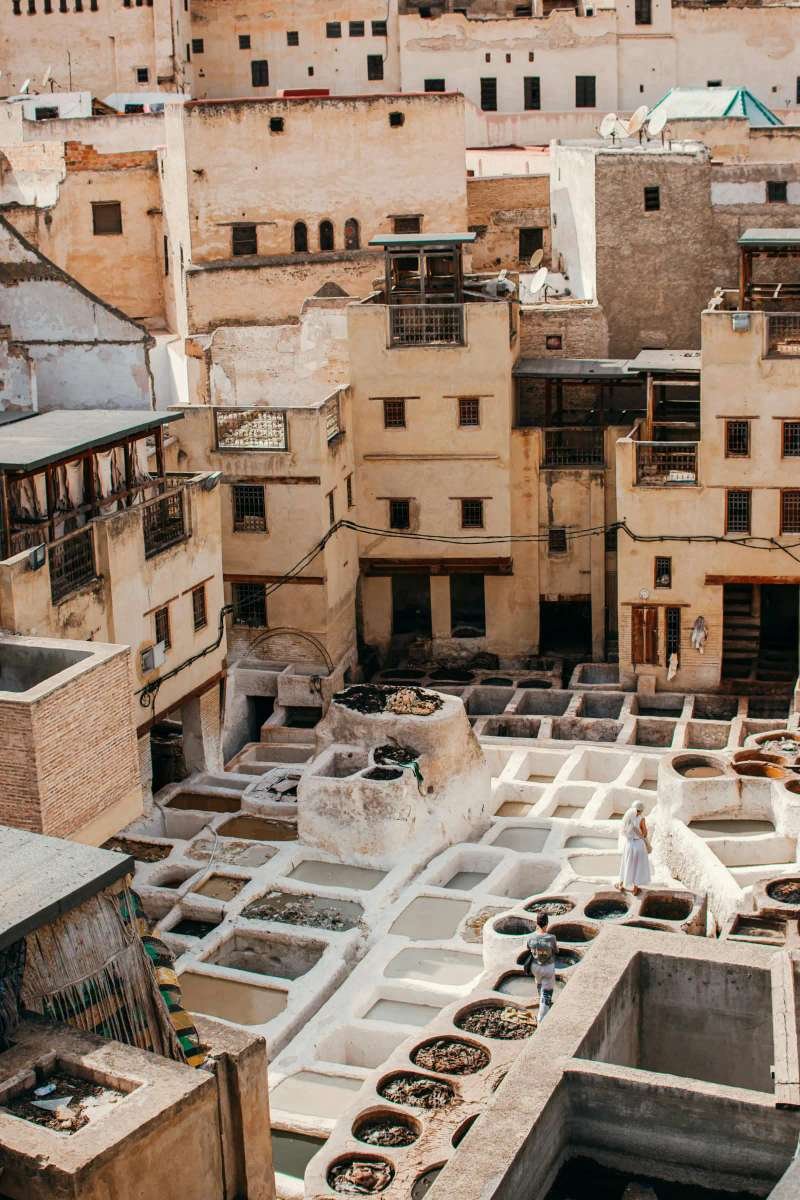
Fes tanneries demonstrate traditional leather production using techniques unchanged in centuries. Beyond observing the dramatic dyeing pits, understand the complete process and why it works this way. Workshop sessions show leatherworking techniques: hand-cutting, stitching, finishing. Create small items alongside master craftspeople.
From $90
Historical & Cultural Sites
Jewish Heritage Exploration
Morocco's Jewish history is rich, complex, and visible throughout major cities. Mellahs (Jewish quarters) in Fes, Marrakech, and Essaouira. Synagogues still maintained. Jewish cemeteries. Understanding Jewish-Moroccan contributions to commerce, craftsmanship, music, and architecture. Specialists guide you through this largely invisible history.
From $150 for specialized guide
Berber Kasbahs & Villages
Southern Morocco's kasbahs demonstrate Berber architectural traditions distinct from Arab medinas. UNESCO sites like Ait Benhaddou show rammed earth construction techniques. Mountain villages preserve traditions modified less by Arab and Andalusian influences. Understanding how geography and climate shaped different building approaches.
Transportation and guide fees
Roman & Pre-Islamic Sites
Volubilis shows Roman Morocco. Well-preserved mosaics, city planning, evidence of Africa's northernmost Roman presence. Understanding Morocco before Islam provides context for everything that came after. Specialists explain how Roman infrastructure influenced later Moroccan urban development.
Admission fees only
Where You'll Stay
Accommodations for cultural journeys should reflect the heritage you're studying. We favor restored riads and historic properties that demonstrate architectural principles you're learning about. Staying in well-executed traditional architecture teaches as effectively as formal study.
Living the ArchitectureWhere History RestsAbove the Medina
Marrakech: Medina Riads
Medina riads demonstrating traditional courtyard architecture. Properties where restoration maintained historical accuracy while providing contemporary comfort. Owners who can discuss restoration decisions, historical research, traditional techniques preserved.
What defines them:
Authentic architectural restoration, not themed decoration. Zellige tilework executed properly. Cedar carving by skilled artisans. Proportions following traditional riad design principles. Staff who understand architectural significance.
Perfect for:
Understanding how traditional Moroccan houses work, seeing craft traditions applied in context, inhabiting the architecture you're studying during the day.
Fes: Restored Fondouks & Traditional Dar
Restored fondouks and traditional dar (houses) in Fes medina. Properties demonstrating Fassi architectural traditions at their finest. Some are centuries old, restored painstakingly with historical accuracy prioritized.
What to expect:
More refined decoration than Marrakech properties. Intricate stucco work, sophisticated tilework, carved cedar, proper geometric principles. Properties where architectural details repay close study.
The advantage:
Fes restoration standards typically exceed other cities. Staying in well-restored Fassi properties means inhabiting the best examples of traditional architecture, understanding daily how these buildings work.
Atlas Mountains: Kasbahs & Mountain Guesthouses
Restored kasbahs and mountain guesthouses demonstrating Berber architectural traditions. Properties using traditional construction techniques: rammed earth, stone, local timber. Architecture adapted to mountain climate and geography.
What defines them:
Authentic Berber building methods, not tourist interpretations. Understanding how mountain architecture differs from medina construction. Properties often family-run, maintaining traditional hospitality practices.
Medina properties showing Portuguese-Moroccan architectural synthesis. White-washed walls, blue doors, different aesthetic from inland cities. Properties demonstrating coastal Morocco's distinct architectural character.
What to expect:
Simpler decoration than imperial cities, more functional design, maritime influence visible in construction and space organization. Often excellent seafood at your accommodation.
The advantage:
Understanding coastal Morocco's different cultural and architectural trajectory, experiencing Portuguese influences, quieter atmosphere than major cities.
What's Included in Cultural Journeys
Every element of your cultural immersion, transparently detailed. No hidden costs, no surprise extras.
Cultural Specialist Guides
Historians, architectural experts, craft specialists throughout your journey. Multiple guides with different specializations rather than one generalist. People who've spent careers studying specific aspects of Moroccan culture.
Private Transportation
Climate-controlled vehicles with experienced drivers. Private throughout, never shared with other travelers. Your driver from arrival to departure, handling logistics so you focus on cultural engagement.
Accommodations
Carefully selected riads and historic properties demonstrating architectural traditions you're studying. Mix of luxury and authentically restored properties prioritizing cultural significance over generic amenities.
Cultural Experiences
Artisan workshops, madrasa study sessions, architectural tours. All experiences outlined in your itinerary included. No optional extras or add-on experiences that cost more once you're there.
Meals
Breakfast daily. Lunches included when appropriate during day-long excursions or at accommodations. Dinners left flexible for independent exploration, with recommendations and reservations arranged if desired.
Support & Materials
Pre-departure reading lists, architectural glossaries, historical context. Complete trip packet two weeks before departure. 24/7 WhatsApp access to our team throughout your journey for modifications, questions, and recommendations.
Why Morocco for Cultural Travel
Europe's cultural sites are exceptional, Asia's temple complexes remarkable, Egypt's ancient monuments incomparable. Morocco offers something distinct: cultural continuity. Cities that have functioned continuously for over a millennium. Craft traditions passed through generations without interruption. Architecture you can still inhabit, not just visit.
Paris preserves its historic quarters but they're largely museums. Kyoto's temples are magnificent but set apart from daily life. Morocco's medinas are both heritage sites and functioning neighborhoods. The distinction shapes everything.
Morocco has nine UNESCO World Heritage Sites. More significantly, its medinas remain inhabited, working cities rather than preserved historic districts.
Fes el-Bali is the world's largest car-free urban area. Not because cars are banned for tourism, but because the medieval street pattern makes them physically impossible. When UNESCO designated it a World Heritage Site in 1981, they recognized a living medieval city, not a restored one.
Compare this to European old towns where residents have largely moved out, replaced by shops and restaurants serving tourists. Or to Asia's temple complexes that function primarily as tourist sites. Morocco's cultural heritage remains economically and socially functional.
Marrakech's medina houses approximately 150,000 residents. The souks operate as actual marketplaces where locals shop, not themed experiences for visitors. Yes, tourism is significant. But the medina's primary function remains residential and commercial, which preserves authenticity that's vanished elsewhere.
This matters because you're not visiting a museum. You're navigating a working city whose basic structure predates European contact with the Americas. The cultural immersion is genuine because the culture is genuinely lived.
Morocco's architecture tells a political and cultural story spanning twelve centuries. Each ruling dynasty left distinct building styles, allowing you to read Morocco's history through its structures.
Almoravid architecture (11th-12th centuries): The oldest surviving examples. Simple, austere, emphasizing function over decoration. Influences from sub-Saharan Africa visible in construction techniques. The Almoravid Koubba in Marrakech (1117) exemplifies this: geometric precision without excess ornamentation.
Almohad architecture (12th-13th centuries): Introduced the decorative elements now considered classically Moroccan. Complex geometric patterns. Elaborate zellige tilework. The Koutoubia Mosque in Marrakech, Hassan Tower in Rabat, and Giralda in Seville (yes, they reached Spain) share the same architectural DNA.
Marinid architecture (13th-15th centuries): Peak sophistication. The madrasas (Quranic schools) of Fes showcase this period's mastery: carved cedar, intricate stucco, precise zellige work, all integrated seamlessly. These buildings are textbooks in Islamic geometry and calligraphy rendered three-dimensional.
Saadian and Alaouite architecture (16th century-present): Showed Andalusian influence after Muslim and Jewish populations expelled from Spain brought new techniques. The Saadian Tombs in Marrakech demonstrate this synthesis. Later Alaouite buildings in Meknes and Rabat show evolving styles incorporating European influences.
Understanding these distinctions transforms how you see Morocco. You're not just visiting beautiful buildings. You're reading architectural history, understanding how different dynasties expressed power, piety, and cultural identity through construction.
Morocco's artisan traditions persist not as cultural preservation projects but as viable economic activities. This distinction matters enormously.
In many countries, traditional crafts survive only through government subsidies, tourism purchases, or museum demonstrations. Moroccan crafts remain embedded in the economy. Families still buy hand-carved cedar furniture. Mosques commission traditional zellige tilework. Riads undergoing restoration employ artisans using centuries-old techniques.
This economic viability keeps knowledge alive. Master craftspeople have apprentices. Techniques get refined across generations. Innovation occurs within traditional frameworks. Compare this to crafts that exist primarily for tourists, where quality often declines and techniques ossify.
Zellige tile work exemplifies this. Creating geometric tile patterns requires mathematical precision, years of training, and specific sequential techniques passed master to apprentice. In Morocco, this remains a legitimate career path. Artisans work on both historic restorations and contemporary projects. The craft evolves while maintaining traditional standards.
The same applies to woodcarving, metalwork, weaving, and leatherwork. Yes, tourist-grade versions exist. But authentic artisan work remains in demand from Moroccans, ensuring quality standards persist.
For travelers interested in craft traditions, this creates unusual opportunities. You're not visiting preservation projects but engaging with living traditions. The artisans you meet have full order books, not dependency on tourist workshops. The difference in both skill level and cultural authenticity is substantial.
Morocco isn't culturally monolithic. Four distinct traditions intersect here, each contributing to the cultural landscape.
Amazigh (Berber) culture is the indigenous foundation. Pre-Islamic, pre-Arab, with its own languages, architectural styles, and craft traditions. Berber kasbahs in the Atlas Mountains and southern valleys use distinct building techniques from Arab-influenced medina architecture. Berber weaving, jewelry, and decorative patterns follow different aesthetic principles. This isn't historical curiosity; Berber communities maintain these traditions actively.
Arab-Andalusian culture arrived with multiple waves of immigration from Spain, particularly after the Reconquista. Fes and Tetouan became centers of Andalusian culture in exile. The refinement in Fassi architecture, the sophistication of palatial gardens, the specific style of geometric decoration, all show Andalusian influence. This culture carried innovations from Islamic Spain: advanced mathematics, astronomy, philosophy, architectural techniques.
Jewish-Moroccan heritage shaped Moroccan cities profoundly. Jewish quarters (mellahs) exist in every major city. Jewish craftspeople specialized in metalwork and jewelry-making, contributing techniques that persist even after most Jews emigrated. Specific architectural elements, commercial practices, and even musical traditions show Jewish-Moroccan influence. Many artisans today learned their craft from Jewish masters, maintaining those lineages.
Sub-Saharan African influences came through centuries of trans-Saharan trade and the presence of communities who crossed the desert. Certain architectural elements in southern Morocco, musical traditions (particularly Gnawa), and craft techniques show African connections distinct from Mediterranean influences.
These aren't historical layers preserved separately. They're integrated, visible simultaneously throughout Morocco. A single building might show Berber construction techniques, Andalusian decorative elements, and Jewish metalwork. Understanding these distinct traditions and their integration provides essential context for everything you see.
Morocco presents an unusual opportunity: meaningful engagement with Islamic architecture and culture without the barriers that exist in many Muslim-majority countries.
Most of the world's great mosques are closed to non-Muslims. You can't enter the Blue Mosque in Istanbul, the Grand Mosque in Abu Dhabi, or most mosques in Iran, Saudi Arabia, or Egypt unless you're Muslim. You observe exteriors, not interiors where the architectural sophistication truly reveals itself.
Morocco's Hassan II Mosque in Casablanca allows non-Muslim visitors on guided tours. While most other mosques remain closed to non-Muslims, Morocco compensates through exceptional access to madrasas (Quranic schools), which demonstrate the same architectural principles as mosques: geometric tile work, carved plaster, intricate wood carving, Quranic calligraphy, mathematical precision in spatial design.
The Ben Youssef Madrasa in Marrakech, the Bou Inania Madrasa in Fes, the Attarine Madrasa: these buildings teach you how Islamic architecture works. The principles governing decoration, the symbolic meanings in geometric patterns, the integration of calligraphy and mathematics, the acoustic design considerations.
Additionally, Morocco's riads (traditional courtyard houses) apply the same architectural and decorative principles as religious buildings, just scaled down. Staying in restored riads means inhabiting Islamic architecture, understanding how spaces are meant to be used, how light and water integrate, how privacy and community balance.
For travelers interested in Islamic culture and architecture, Morocco offers depth of engagement impossible in most other destinations. You're not viewing from outside. You're understanding from within.
In Morocco, Culture Is Layered
Morocco's cultural wealth lies not in any single site but in understanding how layers of history, religion, trade, and craftsmanship intersect. Every neighborhood tells multiple stories simultaneously. Reading them requires time, good guides, and willingness to prioritize depth over breadth.
Most visitors see Morocco's surface: beautiful buildings, bustling souks, photogenic doors. The cultural significance beneath that surface remains invisible without context. These journeys provide that context.
The difference between a general tour guide and a cultural specialist is profound. General guides provide dates, dynasty names, basic facts. Cultural specialists explain why what you're seeing matters, how it connects to broader patterns, what details reveal about construction techniques and cultural influences.
Our Fes guides include a former architecture student who worked on medina restoration projects, understanding buildings from inside. One spent years studying Islamic geometry, explaining not just what patterns mean but why they're mathematically significant. Another specialized in Jewish-Moroccan heritage, reading mellahs like texts that reveal commercial, social, and architectural history.
In Marrakech, we work with a guide who studied under a master carpenter, understanding woodwork techniques sufficiently to date construction methods and identify regional variations. Another focuses specifically on Saadian-era architecture, explaining how Andalusian refugees transformed Moroccan building styles.
These aren't people who memorized guidebook information. They're specialists with deep knowledge in specific areas. The difference becomes apparent within the first hour. You're not receiving a lecture; you're gaining analytical tools to understand what you're seeing.
Context matters more than facts. Knowing the Ben Youssef Madrasa was built in 1564 is fine. Understanding why its decoration represents peak Saadian architectural achievement, how its proportions follow Islamic geometric principles, what the calligraphy says and why those specific Quranic verses were chosen, and how similar buildings in Fes and Meknes compare, transforms the visit from sightseeing to education.
Cultural immersion requires different pacing than conventional tours. Spending three hours in a single madrasa teaches more than visiting five quickly. Time to observe, question, understand, and revisit sections with new understanding based on your guide's explanations.
We structure days around deep engagement with fewer sites rather than surface coverage of many. A typical day might involve morning in a specific medina neighborhood, understanding how souks organize by trade, why certain crafts cluster together, how medieval commercial regulations still shape contemporary layout. Afternoon with a single artisan, watching and attempting their work. Evening in your riad, processing what you learned.
This pacing frustrates travelers who want to "see everything." It satisfies travelers who want to understand something. The difference in what you take home is substantial.
Morocco's cultural sites can overwhelm through volume. The medinas alone contain thousands of potentially interesting buildings, workshops, and historical sites. Attempting comprehensive coverage produces exhaustion without understanding. Selective depth produces knowledge that frameworks everything else you see.
We help you choose focus areas based on your interests. If Islamic architecture fascinates you, we structure more time with architectural historians and in buildings that demonstrate key principles. If craft traditions matter most, more workshop time with artisans. If Jewish-Moroccan heritage interests you, we arrange access to mellahs, synagogues, and specialists in that history.
The goal isn't seeing everything. It's understanding enough to see independently afterward, carrying analytical tools that make the rest of your trip more meaningful.
Morocco's most significant cultural experiences don't come with admission tickets. They happen through relationships: artisan workshops not open to public visits, private homes demonstrating architectural principles impossible to see in commercial riads, restoration projects showing how craftspeople work, specialized collections not displayed publicly.
These accesses exist through long-term relationships. Our guides maintain connections with craftspeople, architectural specialists, historians, and families who open their homes for cultural education. This isn't transactional. It's based on mutual respect, long-standing friendships, and understanding that education matters.
In Fes, this means workshops where master craftspeople explain techniques they'd never demonstrate in tourist-oriented sessions. In Marrakech, access to private riads that showcase architectural restoration at the highest level. Throughout Morocco, introductions to people whose knowledge enriches your understanding beyond what any guidebook could provide.
We can't offer these connections to everyone. They depend on maintaining trust, not over-using relationships, and bringing travelers who genuinely value cultural education. Quality over volume. Depth over breadth. Access that means something rather than just being "exclusive."
Working alongside Moroccan artisans teaches cultural values as effectively as visiting historical sites. The patience required for zellige tilework. The mathematical precision in geometric patterns. The generational knowledge transfer in wood carving. The specific quality standards in metalwork.
These workshops aren't tourist activities. They're cultural education through hands-on experience. When you spend four hours learning to create a single geometric tile pattern, making mistakes repeatedly before understanding the technique, you comprehend why authentic Moroccan tilework commands premium prices. You understand why it takes years to master. You see quality differently throughout the rest of your trip.
This applies across crafts. Attempting to carve cedar teaches you to read the carved ceilings in palaces and madrasas differently. Understanding loom work helps you evaluate weaving quality. Learning basic metalworking techniques changes how you see the intricate brass work in mosques and riads.
We arrange extended sessions with master craftspeople willing to teach rather than merely demonstrate. This requires different artisans than those running tourist workshops. The difference is immediately apparent in both skill level and willingness to let you make mistakes and learn from them.
These sessions integrate into your broader cultural education. You're not collecting handicraft experiences. You're gaining understanding that contextualizes everything else you see.
Morocco's cultural heritage isn't uniform. Fes and Marrakech have profoundly different characters, architectural styles, craft traditions, and cultural histories. Treating them interchangeably misses essential distinctions.
Fes represents scholarly tradition, religious learning, Andalusian refinement. Its architecture is more intricate, its craft traditions more specialized, its medina more complex. Fassi artisans consider themselves the standard-bearers of traditional techniques. The city's identity centers on cultural preservation and religious significance. The craft souks in Fes demonstrate specialization: entire streets dedicated to single crafts, each workshop refining particular techniques across generations.
Marrakech reflects southern Morocco's Berber influences combined with imperial ambition. Its architecture is bolder, less refined, more colorful. The city's character is more commercial, more cosmopolitan, more mixed. Marrakchi artisans adapt traditions more readily, innovating within traditional frameworks. The souks show this: more variety, more adaptation to tourist demand, but also genuine craft work serving local markets.
Coastal cities like Essaouira and Asilah show Portuguese and Spanish influences absent inland. Architectural elements, urban planning, and craft traditions reflect centuries of Mediterranean connection.
Mountain and desert regions preserve Berber cultural traditions more purely. Kasbahs use construction techniques distinct from medina architecture. Decorative elements follow different aesthetic principles. Craft work serves different purposes.
Understanding these regional distinctions enriches your appreciation of Moroccan culture. You're not seeing variations of the same thing. You're seeing distinct cultural traditions that happen to coexist within one country.
Regional Cultural Distinctions
Morocco's regions developed distinct cultural identities shaped by geography, trade routes, dynastic capitals, and ethnic composition. Understanding these differences prevents seeing Morocco as homogeneous.
Fes
Cultural Character
Intellectual, religious, refined. Morocco's spiritual and scholarly capital. The most conservative and traditionally-minded of imperial cities.
Architecture
Most intricate tilework, finest carved plaster, most complex geometric patterns. Andalusian influence strongest here. Buildings prioritize interior decoration over exterior display.
Crafts
Highest skill levels in traditional crafts. Fassi artisans set quality standards others attempt to match. Specialization greatest here: entire workshops dedicated to single aspects of larger crafts.
Commercial, cosmopolitan, adaptable. Southern Morocco's capital, showing stronger Berber influences than Fes. More tourist-adapted but authentic culture persists beneath.
Architecture
Bolder, less refined than Fes. Uses more color, prioritizes visual impact over intricate detail. Southern mud-brick traditions visible alongside imperial stone construction.
Crafts
More innovation within traditional frameworks. Adapts faster to contemporary demand while maintaining traditional techniques. Metalwork and woodcarving particularly significant.
Mediterranean-influenced, showing Portuguese and Spanish architectural and cultural elements. More cosmopolitan through maritime trade connections.
Architecture
White-washed buildings, Portuguese fortifications, urban planning different from inland medinas. Less elaborate decoration, more functional design.
Crafts
Thuya wood working (Essaouira specialty), maritime crafts, distinctive regional weaving. Coastal adaptation of inland traditions.
What to Prioritize
Portuguese-Moroccan synthesis, maritime culture, distinctive regional crafts, understanding coastal Morocco's different cultural trajectory.
Atlas Mountains & Valleys
Cultural Character
Berber traditions preserved most purely. Less Arab and Andalusian influence. Architecture and culture shaped by mountain geography and climate.
Architecture
Kasbahs using rammed earth and stone construction. Communal fortified villages. Decorative elements following Berber rather than Arab-Andalusian aesthetic principles.
Crafts
Distinctive weaving patterns, traditional jewelry, pottery. Functional crafts serving mountain life rather than urban luxury markets.
What to Prioritize
Understanding Berber culture distinctly, traditional architecture adapted to geography, craft traditions serving different purposes than urban crafts.
Why Travel With Us for Cultural Immersion
Cultural travel requires guides and logistics that prioritize understanding over efficiency, depth over coverage, context over facts. These priorities shape everything: who we work with, how we structure time, what access we provide, how we design itineraries.
Deep Specialist Network
Our guide network includes architectural historians, craft specialists, cultural experts with academic backgrounds, and people who've spent decades studying specific aspects of Moroccan culture. Not general tour guides with cultural knowledge, but specialists for whom culture is primary expertise.
Established Artisan Relationships
Years of relationship-building with master craftspeople throughout Morocco. Access to workshops not open to casual visitors. Extended learning sessions rather than brief demonstrations. Artisans willing to teach rather than merely show.
Architectural Access
Connections providing access to private properties, restoration projects, specialized collections. Understanding Moroccan architecture requires seeing examples beyond the handful open to general tourism. We provide that access through established relationships.
Customization Around Your Interests
Cultural travel interests vary enormously. Some travelers prioritize Islamic architecture, others craft traditions, others Jewish-Moroccan heritage, others Berber culture. We design around your specific interests rather than offering one-size-fits-all cultural tours.
Pacing That Allows Understanding
Cultural immersion requires time. We structure itineraries allowing sufficient hours in each location to understand rather than merely see. This means fewer locations than conventional tours, but substantially more learning.
Focus on Living Culture
Morocco's cultural significance lies in continuity: traditions still practiced, architecture still inhabited, crafts still economically viable. We emphasize living culture over museum culture, contemporary practice over historical preservation, understanding why culture persists rather than just observing that it does.
Frequently Asked Questions
No specialized knowledge required. We adjust explanations to your level. Background in these areas allows us to go deeper, but genuine interest matters more than formal education. We provide pre-departure materials introducing key concepts, allowing everyone to engage meaningfully regardless of background.
Medina exploration requires walking, often on uneven surfaces and stairs. Several hours daily on foot. You should be comfortable walking at leisurely pace for extended periods. Artisan workshops involve standing. If mobility is limited, we can adapt (more time in single locations, rest periods, car access where possible), but some walking is unavoidable in historic neighborhoods.
Absolutely. Islamic architecture, Berber culture, Jewish-Moroccan heritage, craft traditions, specific dynastic periods, particular regions. We customize around your interests rather than providing generic cultural tours. Detailed conversation about your priorities shapes itinerary design.
Minimum eight days for meaningful cultural immersion in two regions. Ten to twelve days allows three regions with sufficient time for understanding. Fourteen days enables comprehensive coverage or very deep focus in fewer locations. Cultural travel benefits from time; rushing defeats the purpose.
These are private journeys. Just you and your travel companions. Cultural education works better in small groups where guides can adjust to your pace, answer questions thoroughly, and provide personalized context. We never combine you with other travelers.
Both offer rich cultural experiences but with different characters. Fes provides more intricate architecture, higher craft standards, stronger scholarly tradition, more conservative culture. Marrakech offers bolder architecture, Berber influences, more cosmopolitan character, easier logistics. Ideally, visit both to understand contrasts. If choosing one: Fes for architectural refinement and craft excellence, Marrakech for imperial drama and southern cultural elements.
Depends on age and temperament. Teenagers with interest in history, architecture, or crafts often engage deeply. Younger children may find extended architectural study sessions difficult. Artisan workshops work better for children: hands-on, tangible results, shorter sessions. We can design family-appropriate cultural experiences balancing educational depth with age-appropriate activities.
Cultural journeys combine well with other Morocco experiences. Add Sahara excursions, Atlas trekking, coastal time, culinary experiences. We integrate these seamlessly. Many travelers appreciate cultural immersion in cities followed by Sahara or mountain experiences providing different perspectives on Morocco.
Eight to twelve weeks minimum for securing best cultural specialist guides and accommodations. Prime seasons (March-May, September-November) require more advance notice. Last-minute bookings (under four weeks) sometimes possible but limit guide availability and accommodation choices significantly.
Ramadan affects cultural tours less than culinary journeys but still requires awareness. Sites remain open but may have modified hours. Guides and artisans fast during daylight hours. Restaurant options decrease daytime. Many travelers find Ramadan fascinating culturally: witnessing daily rhythms, evening iftars (fast-breaking meals), special mosque observances. We adjust itineraries for Ramadan dates, structuring more morning activities and respecting fasting practices.
Planning Your Cultural Journey
We design each cultural journey specifically for your interests, timing, and depth of engagement with Moroccan history and crafts.
1
Initial Conversation
Within 72 hours
Share your interests: architecture, crafts, Jewish heritage, specific regions. Your travel dates and flexibility. Cultural background and what you're hoping to understand. We respond within 72 hours with whether this matches your goals and what that might look like as actual itinerary.
2
Detailed Proposal
If it makes sense to proceed, we create a specific proposal: which guides and specialists, day-by-day itinerary with cultural experiences, accommodation recommendations demonstrating architectural traditions, all pricing detailed. You refine until it's correct or decide it doesn't fit your plans.
3
Confirmation
30% deposit secures dates, guides, and properties. 70% balance due 45 days before departure. Complete pre-departure information follows: reading lists, architectural glossaries, historical context, artisan workshop details, emergency contacts.
Begin This Conversation
Eight to fourteen days exploring Morocco's layered cultural heritage. Architectural historians, master craftspeople, medina immersion, artisan workshops. Designed for travelers who prioritize understanding over coverage.
We design cultural journeys for travelers who understand that depth matters more than breadth. Every guide is a specialist with genuine expertise. Every workshop provides hands-on learning with master craftspeople. Every accommodation demonstrates architectural principles you're studying. You'll have our direct contact throughout, and we're available 24/7 during your journey. This is cultural immersion: maximum understanding, zero superficial tourist experiences.
Planning Morocco? We'll save you the 30 open tabs.
Tell us your details. We'll send a free personalized trip outline within 48 hours.
10% off spring journeys · March–June 2026
Done. Check your inbox within 48 hours. We'll send you something worth reading.