How We Choose Accommodations in Morocco: Our Standards
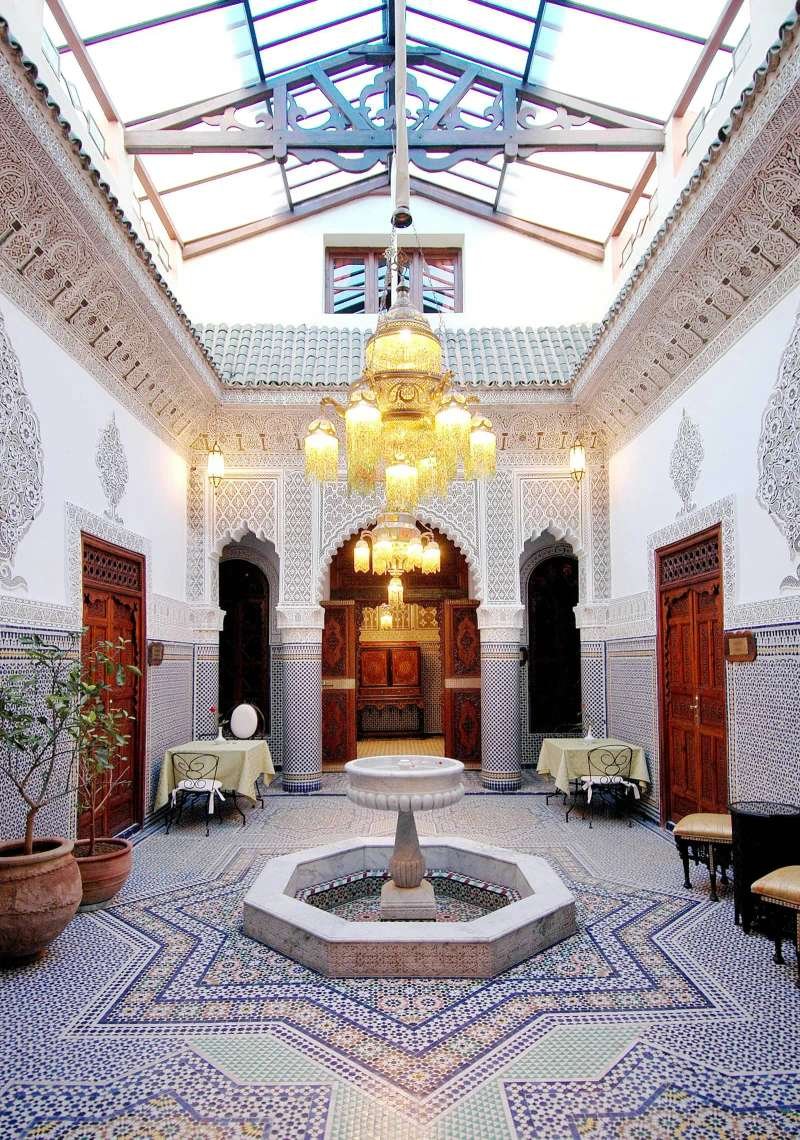
Accommodation quality determines trip experience more than travelers anticipate. The riad you return to each evening, the breakfast that starts each day, the staff who solve problems, the comfort that enables sleep after intense days. These matter substantially.
We've spent years building relationships with properties throughout Morocco. Not through online research or booking platforms, but through repeated in-person evaluation. Staying there. Eating the food. Talking with staff. Watching how problems get solved. Understanding which properties suit which travelers.
This process isn't efficient. It requires time and consistent presence in Morocco. But it produces knowledge that booking platforms and review sites don't provide. We know which riads have temperamental hot water in winter. Which owners are responsive at midnight when flights are delayed. Which breakfast cooks understand dietary restrictions. Which staff genuinely care versus those performing service mechanically.
This specificity matters when matching properties to travelers.
Our Selection Process
The Selection Process
In-Person Evaluation: Every property we use has been evaluated in person, typically multiple times across different seasons. We stay as guests. We examine restoration quality. We assess maintenance standards. We observe staff interactions with guests.
First visits reveal obvious factors: architectural quality, location convenience, room comfort. Subsequent visits show consistency. Is maintenance sustained? Does staff turnover affect service quality? Do standards hold across high and low seasons?
We're watching for things guests notice subconsciously. The temperature consistency of hot water. The breakfast variety. The wifi reliability. The noise insulation. The street finding difficulty. The staff problem-solving capability.
These factors don't appear in property descriptions or photos. They emerge through experience.
Restoration Quality Assessment
For riads specifically, restoration quality separates exceptional properties from adequate ones. True restoration preserves original architectural elements and commissions new work using traditional methods.
We examine zellige tilework precision: Are patterns aligned across surfaces? Are cuts clean? Or are they printed tiles mimicking traditional work?
We check tadelakt application: Does the plaster have proper polish and depth? Does water bead on surface? Or is it standard paint pretending?
We assess carved cedar work: Are there individual tool marks indicating hand carving? Does the wood smell of cedar? Or is it machine-cut pine with stain?
Most travelers can't evaluate these distinctions. That's why curation matters. We assess quality so travelers experience it without needing expertise to recognize it.
Staff Interaction Observation: Service quality depends on staff knowledge, attitude, and empowerment. We watch how staff interact with guests across various situations.
Do they anticipate needs? When guest mentions wanting to visit tanneries, does staff proactively provide timing recommendations and navigation instructions?
How do they handle problems? When hot water fails or room isn't ready, do they solve it smoothly or create guest stress?
What's the knowledge depth? Can staff explain neighborhood restaurants, recommend non-tourist experiences, arrange transportation efficiently?
Staff quality correlates directly with owner investment in training and retention. Properties with stable, knowledgeable, empowered staff operate at different level than those with rotating inexperienced workers.
What We Look For
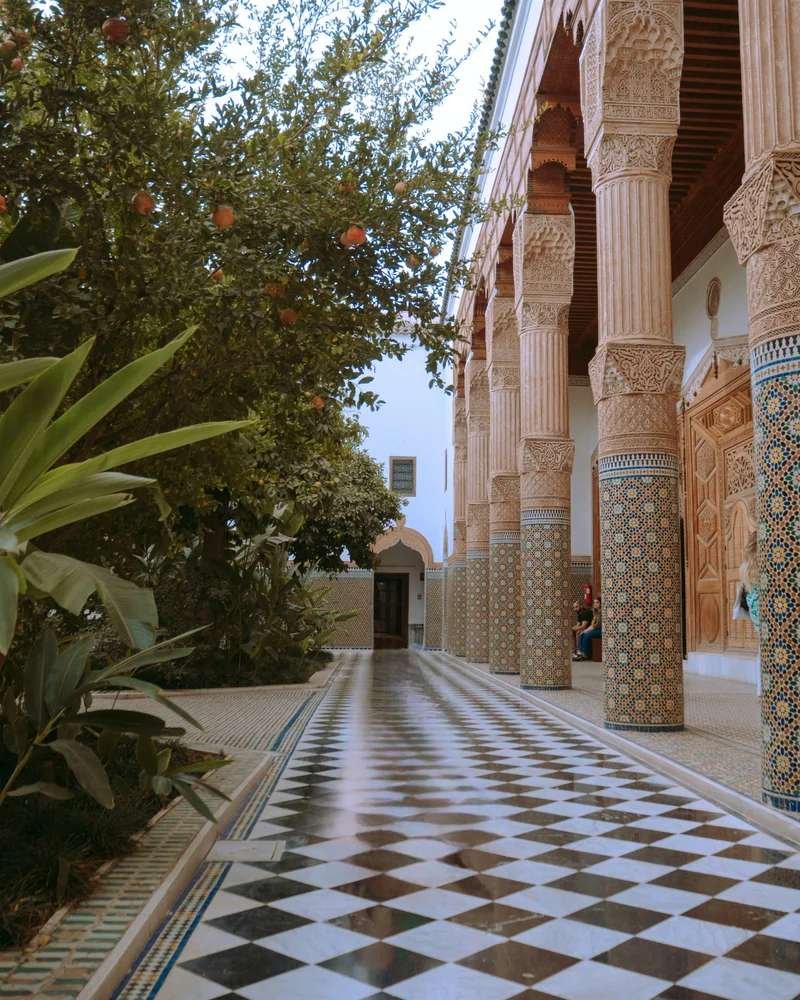
Architectural Authenticity: When using traditional riads, authenticity matters. Not every old building in medina is architectural treasure. Some were modest homes with basic decoration. Others were merchant houses with elaborate details.
We seek properties where restoration respected original character. If it was elaborate 18th-century palace, restoration should honor that. If it was simpler 19th-century family home, restoration should reflect appropriate scale.
Authenticity doesn't mean primitive. It means honest relationship between building's history and current presentation. The carved cedar is period-appropriate style. The zellige patterns follow traditional geometric principles. The room proportions respect original architecture. Architectural styles also vary significantly by region, and proper restoration respects these regional distinctions.
False authenticity is worse than honest modernization. Riads that apply decoration without understanding historical context create confusion. Better to stay in honestly modern hotel than poorly executed fake riad.
Modern Comfort Integration: Historical buildings need modern systems. Successful integration adds comfort without destroying character.
Good integration hides plumbing. Excellent air conditioning exists but isn't visually dominant. Electrical systems work reliably without exposed conduit. Wifi functions throughout property without routers mounted on ancient walls.
This requires thought and investment. Cheap solutions show. Careful solutions disappear while providing functionality.
We assess practical comfort markers. Are beds actually comfortable or just decorative? Is water pressure adequate for proper showers? Do rooms stay warm in winter without space heaters? Can you actually work at the desk if needed?
Tourist-focused riads sometimes prioritize appearance over function. Luxury requires both.
Location Within Medinas
Riad location involves trade-offs. Deep in medina provides authentic neighborhood context and quiet distance from main thoroughfares. Near medina gates provides easier access and navigation.
We match location to traveler needs. Elderly travelers or those with mobility concerns benefit from gate proximity. Travelers seeking authentic immersion prefer deeper medina locations despite access challenges.
We know which alleys are quiet at night. Which neighborhoods have good restaurants nearby. Which areas experience early morning delivery traffic. Understanding medina navigation and neighborhood dynamics shapes these recommendations.
Maintenance Standards: Beautiful restoration without ongoing maintenance deteriorates rapidly. We assess maintenance commitment through visible indicators.
Grout in zellige tilework shows cleaning frequency. Fountain operation indicates mechanical maintenance. Garden condition reflects daily attention. Paint edges reveal recent upkeep versus deferred maintenance.
We return to properties across years. Standards that hold over time indicate genuine maintenance commitment. Standards that slip reveal owner priorities shifting elsewhere.
Different Properties for Different Travelers
Honeymoon Accommodations: Honeymoon properties require specific characteristics. Privacy matters more than for other travelers. Romantic atmosphere is essential. Special touches demonstrate attention.
We select riads with superior rooms. Better views, more space, thoughtful design. Properties where staff understand honeymoon expectations and adjust service accordingly.
The breakfast timing flexibility, the rose petals on bed, the champagne availability, the private terrace access. These details distinguish honeymoon-appropriate properties from general excellent riads.
Small properties (4-8 rooms) often work better than larger riads for honeymoons. The intimacy and exclusivity suit the occasion.
Family-Friendly Spaces: Family travel needs different properties entirely. Space matters. Safety considerations are primary. Staff attitude toward children is critical.
We select riads with family rooms or suites. Ground-floor options eliminate stair concerns. Properties with pools or courtyard play space. Riads where owners welcome children genuinely rather than tolerating them reluctantly.
Staff who understand child needs make enormous difference. The flexible meal timing. The simple menu options. The ability to heat bottles or provide high chairs.
Many exceptional riads don't accept children or have age minimums. This isn't fault. Their architecture or atmosphere doesn't suit families. We respect this and select from properties genuinely equipped for family travel.
Solo Traveler Considerations
Solo travelers face different economic and social dynamics. They pay single supplement or full room rate. They dine alone unless seeking company. They navigate medinas independently.
Some properties create welcoming environment for solo travelers. The communal breakfast encourages interaction. The staff provides navigation help. The other guests are friendly. The atmosphere is social without being intrusive.
Other properties, while excellent, feel lonely for solo travelers. Large riads where couples occupy all other rooms. Properties with no communal spaces. Formal service that emphasizes isolation rather than community.
We match personality to property. Solo travelers wanting quiet get different recommendations than those seeking social interaction.
Group Dynamics: Groups traveling together need properties that accommodate collective experience while providing individual space.
Booking entire riad works well for groups. Everyone stays together. Common spaces support group time. Individual rooms provide privacy. Meal coordination is simpler.
Size matters. Four-room riad suits two couples. Eight-room riad works for extended family. Properties need sufficient common space for group to gather comfortably.
Why We Favor Riads Over Hotels
Most YVM accommodations are riads rather than hotels. This reflects specific advantages.
Authentic Experience: Riads provide architectural and cultural context hotels can't match. The courtyard design, the traditional materials, the historical significance. These aren't theme park recreations. They're actual Moroccan residential architecture adapted for hospitality.
Staying in riad teaches you how traditional Moroccan houses function. The climate control through courtyard. The privacy through inward focus. The acoustic dampening through mass. You understand Moroccan domestic life through architecture.
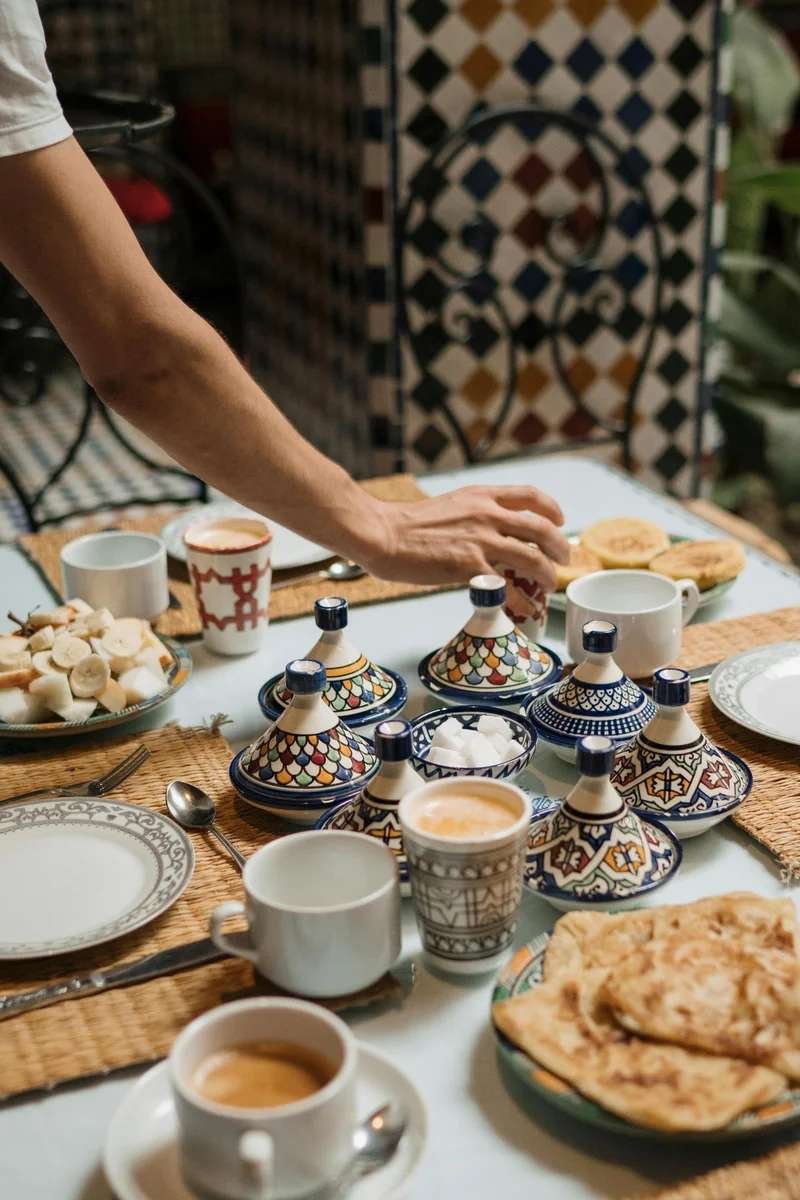
Better Food: Small-scale operations typically provide superior breakfast and meal service. The riad cook prepares food in actual kitchen at manageable volume. Hotels produce breakfast at industrial scale in banquet format.
The bread is fresher. The msemen is cooked to order. The orange juice is actually fresh-squeezed. The variety adjusts to guest preferences. Traditional cooking methods and fresh ingredients make a tangible difference in breakfast and meal quality.
Riad dinners, when offered, are home-style cooking rather than hotel restaurant food. The quality and authenticity are typically superior.
Personalized Service: Eight-room riad with three staff members knows every guest individually. Staff learn preferences quickly. Service adapts to your patterns.
Hotels provide professional service but not personal service. The competence is high but the customization is limited. For some travelers, this is preferable. For others, the personal touch matters significantly.
When Hotels Make Sense
Beach properties: Modern hotels with direct beach access work better than riads.
Mountain locations: Purpose-built lodges provide better mountain experience than adapted houses.
Large groups: Hotels accommodate groups more easily than booking multiple riads.
Accessibility needs: Hotels typically offer elevators and accessible rooms riads can't provide.
Business travel: Hotels provide business facilities and services riads don't offer.
We use hotels when they serve needs better. Our accommodation philosophy prioritizes appropriate match over categorical preference.
How Relationships Matter

Direct Booking Advantages: We book directly with properties rather than through aggregators or booking platforms. This provides leverage and responsiveness platforms can't offer.
When flight delays create late arrival, we notify property directly. They hold dinner or adjust check-in timing. When dietary restrictions require accommodation, we communicate specifics in advance. When special occasions need recognition, we coordinate details.
Platform bookings receive standard treatment. Direct relationship bookings receive customized attention.
Problem-Solving Ability: Issues arise during travel. Plumbing fails. Weather disrupts plans. Illness requires assistance. Accidents create stress.
Our established relationships enable rapid problem-solving. We know who to contact. Properties prioritize our guests because we send business consistently and treat them fairly.
The riad that's fully booked makes room available when we have emergency need. The manager who's off-duty returns to property to solve problem. The owner who's traveling makes calls to arrange solutions.
These responses come from years of relationship building and consistent behavior. They can't be purchased through one-time bookings.
Customization Flexibility
Standard hotel rooms follow standard configurations. Direct relationships with small properties allow thoughtful customization.
Honeymoon travelers need romantic room setup. Families need connecting rooms or ground-floor access. Photography enthusiasts benefit from rooms with good natural light. Extended stay guests appreciate room location near breakfast rather than distant.
Properties we work with regularly accommodate these requests because they understand we match guests to properties carefully and requests are reasonable rather than demanding.
Guest Care Coordination: When travelers are our guests staying at partner properties, coordination improves dramatically. The property manager communicates with us about anything affecting guest comfort. We coordinate drivers, guides, and activities with accommodation timing.
The integration creates seamless experience. Morning activity starts when breakfast timing works. Return from day trip coordinates with riad dinner service. Late checkout for evening flight is arranged in advance.
This coordination is invisible to guests but substantial in effect. Everything works because communication operates effectively between all parties involved.
The Result: Consistent Quality
Accommodation selection isn't the glamorous part of travel planning. It's time-intensive, requires continuous evaluation, and produces value that's difficult to market because it's experiential rather than visual.
But it's fundamental to trip success. Excellent accommodations elevate entire experience. Poor accommodations undermine everything else. The difference between good trip and great trip often lives in accommodation quality more than itinerary brilliance.
We invest heavily in this unsexy but critical element because we know it matters profoundly. The research, the relationship building, the ongoing evaluation. It's work that pays dividends in guest satisfaction we measure not in reviews but in return visits and personal recommendations.
Why This Process Matters
Booking platforms show photos and reviews: We provide knowledge from actual experience staying there across seasons.
Reviews reflect moment in time: We track maintenance and standards consistency over years.
Star ratings measure amenities: We assess quality of restoration, staff capability, location fit.
Generic matching uses categories: We match specific properties to specific traveler needs and personalities.
The investment in ongoing evaluation, relationship building, and deep property knowledge creates accommodation experiences that elevate trips from good to exceptional.
Quick Selection Reference
Wondering how we'd select accommodations for your specific travel style and needs? Let's discuss your trip so we can explain which properties might suit you and why.