Moroccan Cooking Classes: What to Expect and Learn
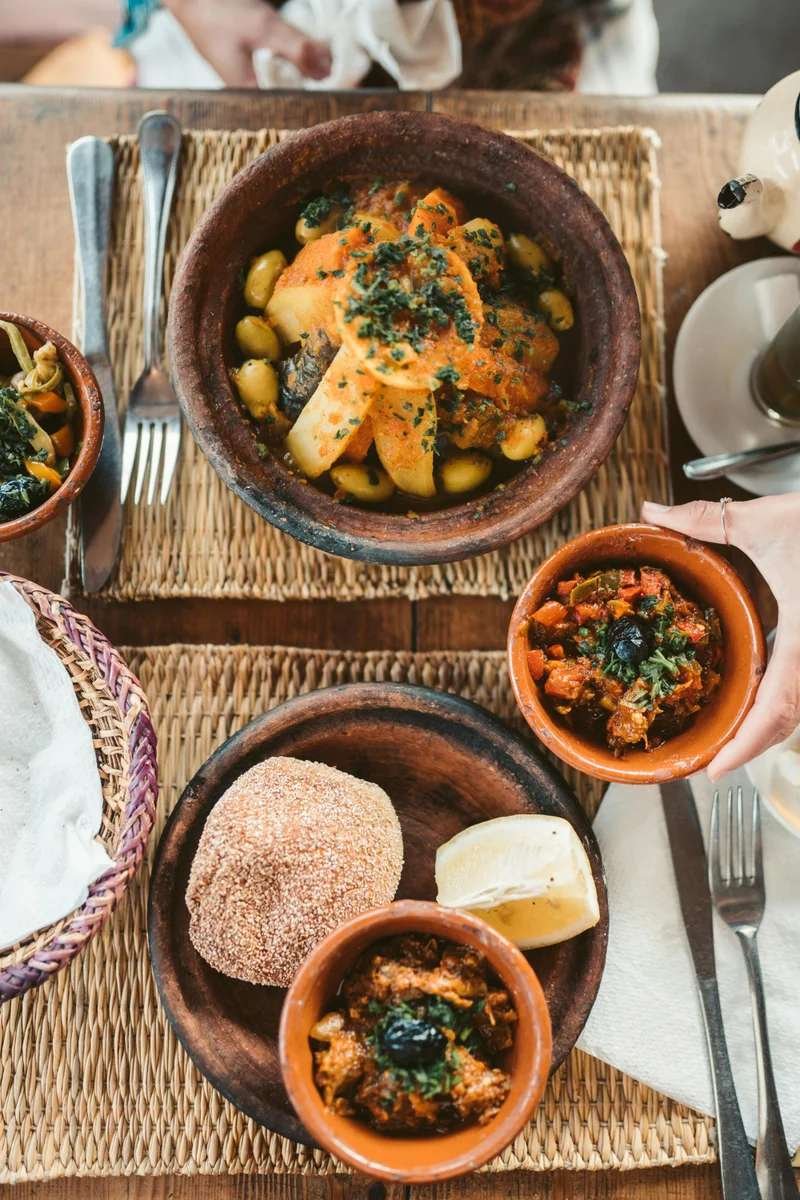
A cooking class in Morocco provides something specific: techniques you can reproduce in your own kitchen. Not vague inspiration or photo opportunities, but actual method. How to build layers in a tagine. Why the spice ratio matters. What couscous is supposed to feel like when you work it by hand.
Instruction quality varies more than price does. In the weaker classes a chef does most of the work while you watch from a stool and take photographs. Ask what you will be doing with your own hands before you book.
Cooking Classes At a Glance
Types of Cooking Experiences
The structure determines what you'll learn. Four formats dominate, and they are not interchangeable.
Riad-Based Classes: Most common in Marrakech and Fes. The cooking happens in the riad's own kitchen or a dedicated teaching space. Groups typically range from four to eight people. Classes run three to four hours, usually starting mid-morning.
The environment is controlled. Equipment is consistent, ingredients are already sourced and portioned, and you work at your own station. Nobody spends the morning solving logistics, so the technique stays in front of you.
The clarity is the point. Instruction is detailed, questions get answered, and the pace lets you repeat something until it works. The cost is distance from the source. Ingredients arrive washed, weighed and portioned, and the household that would normally be cooking them is somewhere else.
Market-to-Table Experiences: These begin at dawn or early morning in the local souk. You walk through markets with the instructor, selecting ingredients, meeting vendors, discussing seasonal variations. Then you return to cook what you've bought.
The market component adds context. You see which vegetables are in season, what good olive oil looks like in bulk containers, how saffron gets evaluated before purchase. You learn navigation and negotiation alongside cooking.
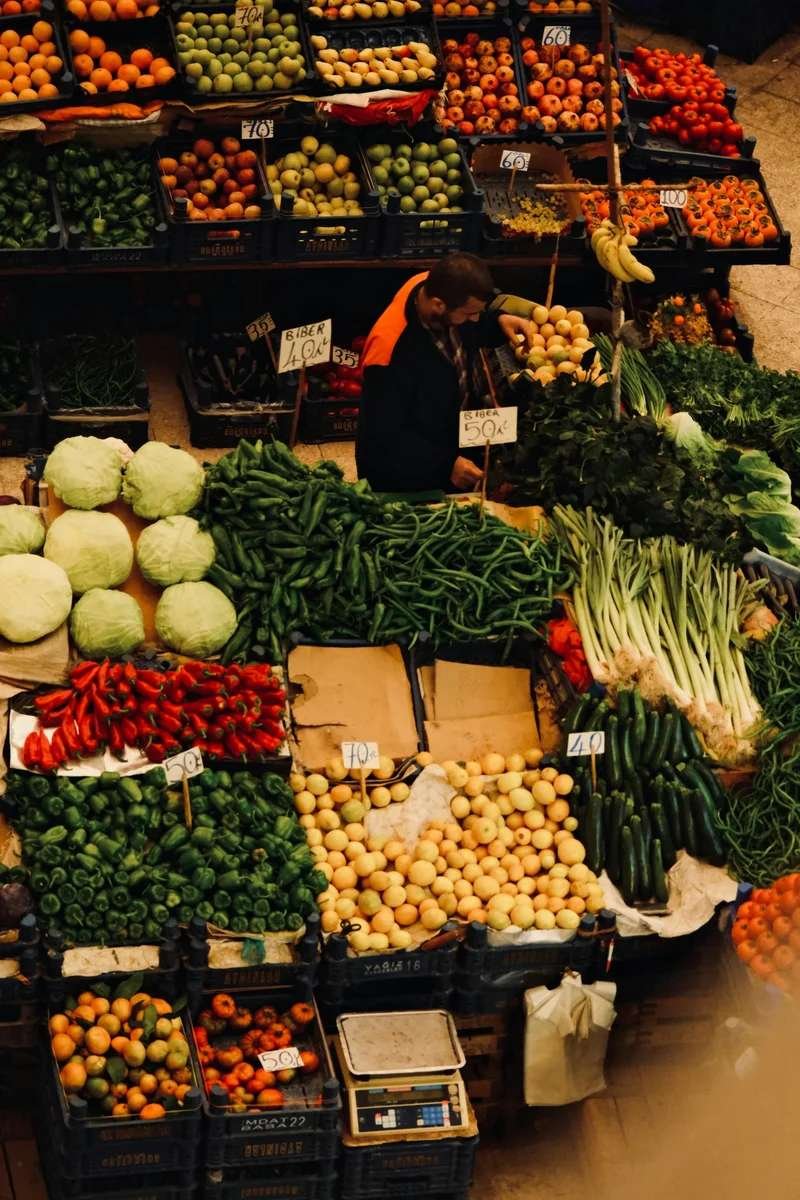
Markets are an early business. By 11am the produce shopping is mostly finished, which is why these classes start when they do. If you're not a morning person, this format will test you.
When the Souk Is Worth Walking
Most market-to-table classes start 7:00-8:00am. The best produce selection happens before 9:00am. By 10:30am, vendors start packing up. A later start buys you a quieter market and a thinner choice.
Village Family Cooking: Less common and harder to arrange, and the most authentic of the four. You cook in a family home, usually a Berber village in the Atlas or a rural house outside the city, in the kitchen they use every day.
These sessions are looser. Measurements are approximate, the equipment is whatever the family owns, and the instruction is simply how they were taught. You may be sitting on floor cushions, and the oven may be a clay structure outside.
The food is whatever the family would be eating anyway. The techniques are built for efficiency and for whatever is in the house that week. If you want to know how Moroccan home cooking works day to day, this is the version that shows you. Regional cooking styles vary significantly across Morocco. Ours is a class in a Berber home in the Ourika, where the bread goes into a clay oven and lunch is eaten on the terrace above the valley.
Professional Chef Sessions: Some restaurants offer classes taught by their head chefs. These lean toward restaurant techniques and plating. Useful if you want to recreate refined versions of dishes, less helpful for everyday cooking.
The instruction is usually precise. Professional chefs teach that way. But the methods often assume equipment and ingredients you won't have at home, and you take less of the class back with you.
Tagine, Couscous, Bread, Tea
The curriculum varies, but certain elements appear consistently.
Tagine Technique: Most of what a class teaches about tagine is the order the pot gets built in. Onions and oil go in at the bottom and make the steam that cooks everything stacked above them. The spices go in early enough to open up in the fat, the liquid goes in late and sparingly, and once the lid is on the heat stays low enough to hold a bare simmer for an hour or more.
You'll learn that tagine cooking is about patience. The clay pot's conical lid returns condensation to the base, keeping everything moist. Rushing destroys this. The long, slow cooking concentrates flavors and softens tough cuts of meat.
Spice combinations get specific attention. A typical blend for chicken tagine: turmeric, ginger, paprika, black pepper, and saffron if available. The ratios matter. Too much turmeric makes it bitter. Too little ginger and you miss the warmth. Good instruction provides actual measurements, not "season to taste."
Couscous Hand-Rolling: This is the technique tourists most want to learn and most underestimate in difficulty. Traditional couscous isn't from a box. You start with semolina flour, add salted water gradually, and roll the mixture between your palms until tiny granules form.
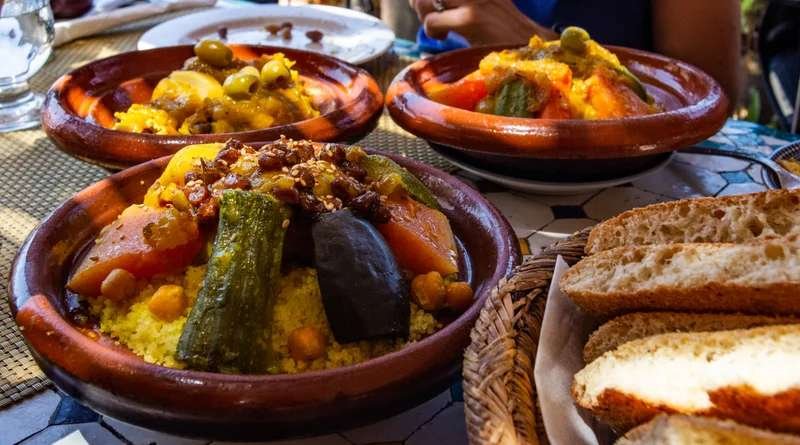
The first handfuls come out uneven, clumped in places and too coarse in others, and after twenty minutes of it your hands ache. What eventually works is small circular motions with steady pressure, and water added a few drops at a time.
The steaming process is equally specific. You use a couscoussier, a specialized pot with a perforated top section. The couscous steams above broth or stew, absorbing moisture and flavor. It gets steamed three separate times, fluffed and separated between each steaming.
Most classes acknowledge you won't hand-roll couscous at home. The boxed version works fine. But knowing the traditional method helps you understand why couscous is respected as a dish requiring skill and time.
How Long Hand-Rolling Takes
Hand-rolling couscous takes 45+ minutes plus triple steaming. It's a skill worth learning once for cultural understanding, but boxed instant couscous is what most home cooks (including Moroccans) use daily.
Bread Baking: Moroccan bread (khobz) appears at every meal. The dough is straightforward: flour, water, yeast, salt. The technique determines texture.
Kneading develops gluten structure. You'll feel when the dough changes from sticky and rough to smooth and elastic. This takes ten minutes of consistent work, longer if your flour has low protein content.
Shaping matters more than it does in most Western bread. Moroccan loaves are round and relatively flat, and the scoring on the surface is structural. It directs where the loaf expands and splits in the oven.
Traditional baking uses the communal wood-fired oven. Classes use a domestic one, and the temperature gap is wide. Wood ovens run hotter and give a harder crust. Your home oven approximates it with a preheated baking stone and steam (throw ice cubes in the oven's bottom when you insert the bread).
Tea Ceremony: Moroccan mint tea follows specific steps that improve the final result. This gets taught toward the end of most classes, often as a break while something simmers.
The ratio is precise: one tablespoon of green tea (Chinese gunpowder variety) per pot, two tablespoons of sugar (adjust to preference), fresh mint leaves. The water must reach boiling. The tea steeps for five minutes minimum.
The high pour does two jobs. It aerates and mixes the tea, and it raises a small head of foam on the glass, which is how the pourer knows the tea was made properly. You pour a little into a glass, taste it, and return it to the pot. That first glass blends the flavors and tests the sugar.
Your first high pours will miss the glass or splash the table. The height comes later, once you stop watching the stream and watch the glass instead.
The Market Component in Detail
Classes that include market visits typically allocate 60-90 minutes for shopping. This is rushed if you want to examine everything, sufficient if you focus on ingredients for your specific dishes.
Vegetable Selection: Instructors teach seasonal recognition. In spring: peas, fava beans, artichokes. Summer: tomatoes, peppers, eggplant. Fall: squash, turnips, greens. Winter: root vegetables, citrus.
The tests themselves are simple. Tomatoes should smell like tomatoes at the stem, peppers should be firm with no soft spots, herbs should stand up when you lift the bunch. None of that is specific to Morocco, but a souk is a good place to learn it.
Spice Souk Navigation: Spice shops intimidate first-timers. The shops are small, dark, and packed with unlabeled containers. Vendors know this creates leverage.
Good instructors teach identification. Cumin versus caraway, which look alike and taste nothing like each other. Smoked Spanish paprika versus the ordinary sort. Real saffron versus dyed safflower, which the water test settles in a quarter of an hour. Ras el hanout blends vary by vendor; recreating a particular one at home means knowing what went into it.
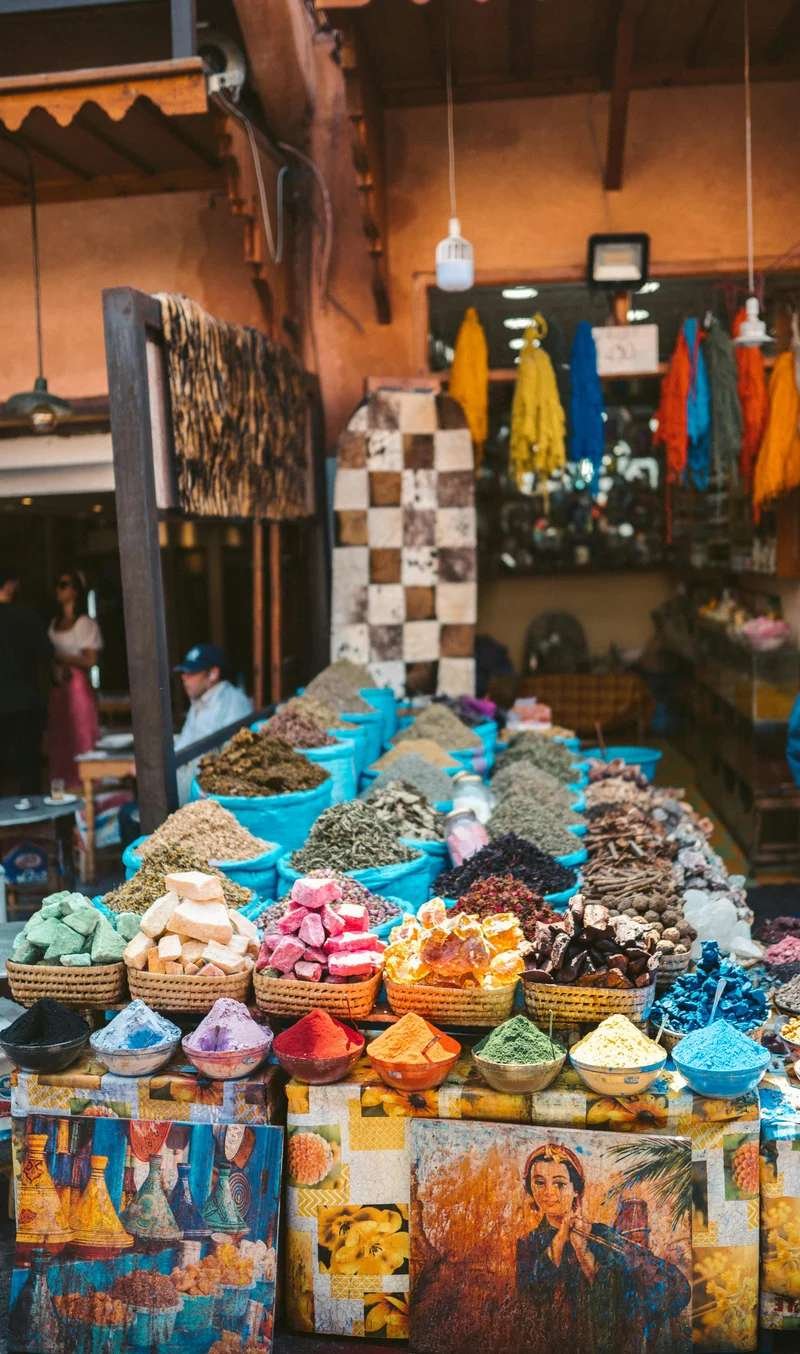
Buying directly teaches you what quantity to ask for. Spices are sold loose by weight. You say how much you want, and the vendor weighs it and bags it. For home use, 50-100 grams of anything is plenty. Bulk is cheaper per gram, but spices lose potency long before a large bag is finished.
Smart Spice Shopping
Buy small quantities of spices (50-100g each). They lose potency after 6-12 months. Saffron is the one people get wrong. Genuine Taliouine saffron sells in Morocco for roughly 40 to 100 dirhams a gram depending on grade, so a low price on its own proves nothing. Put a few threads in warm water instead. Real saffron releases its color slowly over ten to fifteen minutes and the threads stay whole. Dyed safflower turns the water red in seconds. Ras el hanout blends vary wildly; ask your instructor which spices are in theirs so you can recreate it.
Olive Oil and Preserved Goods: Quality olive oil appears in nearly every Moroccan dish. The oil sold in tourist shops costs three times the market rate. Market vendors sell from large containers, bottled to order.
Good instructors let you taste. The oil should have some bitterness and pepper notes. Completely mild oil is low quality or old. Color varies by region and olive variety, from golden to deep green. Color alone doesn't indicate quality.
Preserved lemons sit in glass jars at many shops. These are essential for several tagines. Making them at home is simple (lemons, salt, time) but requires a month of fermentation. Buying a small jar lets you use them immediately while your home batch develops.
Realistic Outcomes and Home Recreation
Can you cook Moroccan food well after a single class? Partially.
What Transfers Easily: Tagines work in any covered pot that holds gentle heat. A Dutch oven, or a heavy pan whose lid sits flush, does the same job as the clay, and nothing about the method changes.
Bread is the cleanest transfer of the lot. The kneading, proving, shaping and scoring you learn on khobz improve every loaf you bake afterwards, whatever kind it is.
Spice blending takes one evening. Once you know the base combinations you can mix your own ras el hanout or tagine blend, and the difference from a jar bought at home shows in the first dish.
What Requires Adaptation: Couscous hand-rolling is impractical for most home cooks. The boxed instant couscous is acceptable. The steaming technique still applies and improves even the instant version.
Clay tagines perform differently from metal pots. The even heat and the moisture retention are hard to replicate fully. Your food will taste good, but slightly different from the class version.
Some ingredients require substitution. Preserved lemons can be replaced with fresh lemon and extra salt, though the fermented depth is missing. True Moroccan olives might not be available; Greek or Italian varieties work in dishes where olives appear.
Skip the Tagine Pot
Clay tagine pots are beautiful but not essential. A Dutch oven or heavy pot with tight lid works for 95% of recipes. Save your luggage space unless you plan to cook Moroccan food weekly. Sharp knives and good pots matter more than specialized equipment.
Equipment Considerations: Buy a clay tagine if you have the cupboard space and expect to use it regularly. If it is going to live on a shelf as an ornament, leave it in Morocco.
A couscoussier (couscous steamer) has limited use beyond couscous. Unless you cook it often, a regular steamer basket works fine.
Most Moroccan cooking is done with standard kitchen tools. Sharp knives, a decent board and heavy pots will do more for your results than anything sold to you as Moroccan.
How Classes Fit Into Your Trip
Cooking classes work best early in your trip rather than at the end. Every meal afterward has more in it. You recognize the preparations, and you know roughly what the spice mixture on the table is doing.
Culinary-focused trips can include multiple cooking experiences in different cities or settings, showing regional variations and specialized techniques. A market class in Marrakech complements a family cooking session in a Berber village, giving you both urban and rural perspectives.
Honeymoon itineraries often include a couples class as a shared morning. It works when nothing is scheduled tightly on either side of it.
Family trips can include a class, though whether it lands depends on the child. Teenagers usually take to it. Younger children lose interest quickly unless the class has been built around them.
Choosing Quality Instruction
Several indicators help identify good cooking instruction versus tourist theater.
Small Group Size: Four to six people maximum. Larger groups mean less individual attention and more watching instead of doing.
Hands-On Time: You should spend at least two hours actively cooking, not counting market visits or eating. If the class is three hours total including market and meal, you're mostly observing.
Recipe Documentation: Good classes provide written recipes with measurements. You shouldn't need to take notes while cooking. The recipes should be tested for home use, with ingredient substitutions noted.
Instructor Background: Professional cooks or skilled home cooks make better teachers than enthusiastic amateurs. The instructor should explain why techniques work, not just what to do.
Quality Class Indicators
- Maximum 4-6 participants (not 12+)
- Minimum 2 hours hands-on cooking time
- Written recipes provided (with measurements)
- Instructor explains why, not just what
- You cook, not just watch
Setting Proper Expectations
A cooking class won't make you an expert in Moroccan cuisine. What it gives you is a handful of foundation techniques, the confidence to attempt them at home, and recipes you can follow. It also changes how you read a restaurant menu for the rest of the trip.
You also come away with the calendar behind the food: couscous on Friday after the midday prayer, harira to break the fast, a shoulder of lamb when the family has something to mark. It explains a good deal about what appears on a table and when.
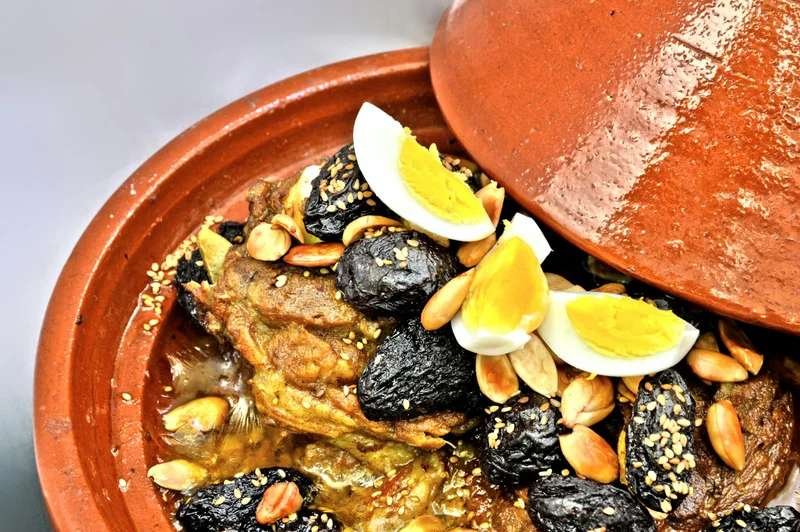
The cooking happens in Morocco, with Moroccan ingredients, in a kitchen set up for the job. Your flour is different, your oven is different, and a tagine on a domestic hob behaves differently from one over a gas ring in a riad, so the timings will need adjusting even though the method does not.
Understanding is what you are paying for. When you return home and smell similar spice combinations, you'll remember watching the vendor measure them. When you make bread, you'll recall how the dough felt when properly kneaded. Those sense memories improve your cooking generally, not just with Moroccan dishes.
Quick Cooking Class Reference
Buy the Spices at the End of the Trip
Leave the spice shopping until the last few days, so the cumin and the paprika are not riding around Morocco in a suitcase for a fortnight losing what you paid for. Then cook one of the dishes in the first two weeks home, while your notes still make sense and you can still hear the instructor telling you the heat is too high.
A cooking class is worth planning into the itinerary early. We can arrange classes that match your skill level and your dates, from a souk morning to a family kitchen in the Atlas.
Frequently Asked Questions
- What do you learn in a Moroccan cooking class?
Most classes cover four things: tagine layering, hand-rolled couscous, khobz bread, and mint tea. Tagine is mostly about the order the pot is built in, and when the spices go in. Couscous is rolled by palm and then steamed three separate times. Bread runs from kneading to the scoring that decides how the loaf splits. The tea usually comes at the end, while something else simmers. A class worth its price teaches all four as methods you can repeat at home, not as a demonstration you photograph.
- How much does a cooking class cost in Morocco?
A group class in Marrakech generally runs 400 to 700 dirhams a head for three or four hours. Private classes and village family sessions cost more. What moves the price is group size and hands-on time, not the menu. The classes worth paying for cap the table at four to six people, give you at least two hours of cooking, and send you home with written recipes with measurements.
- Are there vegetarian options in Moroccan cooking classes?
Yes, and it needs no special arrangement: vegetable tagines, bread, the salad course and the tea ceremony fill a class on their own, and the market hour teaches you what is in season, from spring peas and artichokes to summer peppers and fall squash.
- What is the best type of Moroccan cooking class to take?
For a first class, take a riad kitchen with a market hour in front of it. You get the souk at the hour it works, then a controlled kitchen where the equipment is consistent and the instructor can stop and explain. Choose a village family session instead if you have already done one class and want the home version, where measurements are approximate and the oven may be a clay structure outside. Whichever you take, the group should cap at six and the recipes should come home written down.
- Can you recreate Moroccan food at home after a cooking class?
Most of it, yes. A tagine needs nothing more than a heavy pot with a tight lid, and a Dutch oven changes nothing about the method. The bread technique is the cleanest carry-over, since the kneading and scoring you learn on khobz improve any loaf you bake afterwards. One evening on the base spice combinations is enough to start mixing your own ras el hanout. Hand-rolling couscous is the part almost nobody keeps up at home, though steaming the boxed sort the way you were taught still improves it. It will all taste slightly different from the class version, mostly because your flour and oven are not the ones you cooked with in Morocco.