Morocco with Kids: A Realistic Family Travel Guide

Morocco works for families. Not always easily. Not with very young children. Not with itineraries designed for adults. But with appropriate ages, realistic expectations, and thoughtful planning, Morocco provides memorable family travel. If you're visiting Morocco for the first time, understanding family-specific considerations helps set appropriate expectations.
The sensory intensity that overwhelms some adults fascinates many children. The hands-on activities. The physical adventures. The different animals and landscapes. These appeal to kids when framed appropriately.
The key is understanding what ages work, which destinations suit families, and how to structure days for mixed-age groups with varying energy levels. Morocco's regional diversity means choosing destinations carefully. Some regions work better for families than others. Families particularly benefit from private travel arrangements where you control pacing, can make spontaneous stops, and adjust plans based on children's energy levels.
Family Travel Essentials
When Morocco Works for Families
Ages 5-6 Through 10-11: This range works best. Children have physical capability for walking and activities. They retain enough curiosity for cultural differences. They don't require specialized equipment or constant supervision. They can eat varied foods and handle temperature variations.
Five and six year-olds are borderline. Some thrive. Others struggle with the walking, heat, and sensory input. Knowing your specific child's temperament matters more than general age guidelines.
Eight to ten year-olds typically do well. They're old enough to appreciate experiences without constant entertainment. They can walk reasonable distances. They understand cultural differences when explained. They enjoy hands-on activities and physical challenges.
The Age Reality Check
Ages 5-12: Morocco works with appropriate planning. Activities engage them, walking is manageable, food options work.
Teens (13-17): Attitude matters more than age. Involve them in planning. Choose activities with teen appeal. Give them some autonomy.
Under 5: Possible but challenging. Walking requirements, nap conflicts, food limitations, temperature extremes, and constant safety attention make this difficult. Consider postponing a few years.
Ages 11-12 Through Teens: This age works differently. Some teens find Morocco fascinating. Others resist the cultural differences and physical challenges. Interest in history, architecture, food, or adventure helps significantly.
Teens appreciate Morocco more when given some autonomy. Letting them navigate portions of medinas with parents nearby. Choosing restaurants. Selecting souvenir purchases. The independence within structure appeals to this age.
The worst approach is dragging reluctant teens through adult itineraries. Better to involve them in planning, choose activities with teen appeal, and acknowledge that Instagram-worthy moments matter to this age.
Family-Friendly Destinations
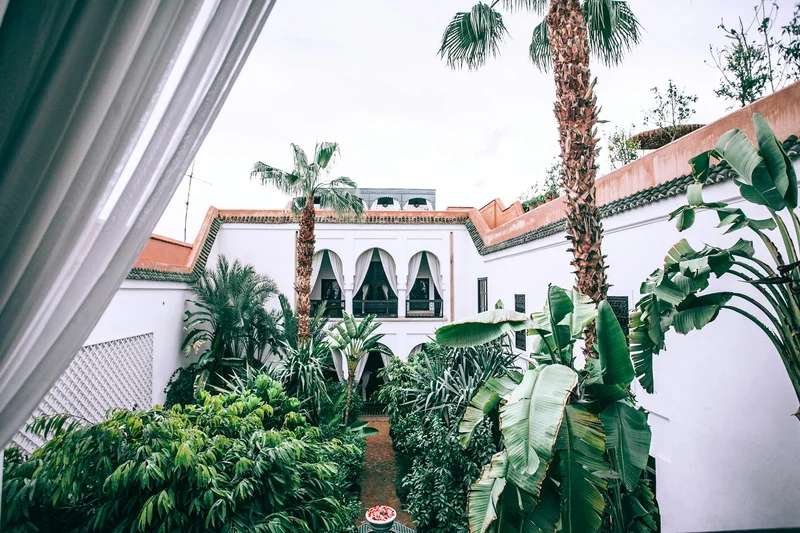
Marrakech: Works well for families as base city. The infrastructure is developed. English is common. Accommodations understand family needs. Activities are accessible.
Child-friendly Marrakech experiences:
- Jardin Majorelle: Colorful, compact, not overwhelming. Kids enjoy the bright blue building and varied plants. 30-45 minutes is sufficient.
- Palmeraie: Cycling through palm groves or camel riding (shorter rides work better). Physical activity in less intense environment.
- Saadian Tombs: Quick visit (20 minutes) with interesting decoration and story element kids grasp.
- Street entertainment at Djemaa el-Fna: Evening acrobats, musicians, snake charmers. Fascinating for kids in small doses. Can be overwhelming if too long.
Skip or limit: Extended medina souk shopping. One hour maximum. Kids lose interest in repetitive shops quickly.
Atlas Mountains: Excellent for active families. The physical environment differs from cities. Kids enjoy the nature component after urban intensity. The High Atlas Mountains provide family-friendly activities that balance physical adventure with accessibility.
Family-appropriate Atlas activities:
- Ourika Valley day trip: Waterfalls, riverside restaurants, Berber villages. Hiking is optional and adjustable to ability.
- Imlil: Mountain village with mule rides, easy walks, dramatic scenery. Not challenging trekking, just mountain environment exposure.
- Mountain lodges: One or two nights outside cities provides breathing space. Kids enjoy the different setting.
The Atlas offers what cities can't: space to run, nature exploration, physical challenge appropriate to age. This balance improves overall trip satisfaction for families.
Atlantic Coast: Beach time is universal kid appeal. The Atlantic provides this with cultural context.
Family coastal options:
- Essaouira: Beach, seafront fortifications kids can explore, manageable medina size. The wind is strong but most kids enjoy this. 2-3 nights works well.
- Oualidia: Protected lagoon with calm water, safe swimming for younger kids, oyster farm visits. Very relaxed pace. 2 nights sufficient.
The coast provides recovery time from cultural touring intensity. Kids need the physical release. Parents appreciate the simpler logistics.
Desert with Kids: The Reality
The Sahara is surprisingly family-friendly when approached correctly. Kids find the landscape fascinating and activities engaging.
What kids enjoy: Sandboarding, short camel rides (20-30 min max), incredible star visibility, sunset/sunrise on dunes, the scale and emptiness.
Critical choices: Camps with proper facilities (real bathrooms), warm layers for cold nights, brief camel rides (novelty wears off), mid-itinerary timing.
Travel timing: 8-9 hours from Marrakech requires overnight stop. Break into two days to avoid miserable children and stressed parents.
Practical Considerations

Accommodations: Riads vary significantly in family-friendliness. Not all work well with children. Some have dangerous stairs, small rooms, or breakable objects everywhere. Others accommodate families thoughtfully.
What to look for:
- Family rooms or suites (connecting rooms or larger spaces)
- Ground-floor options (eliminates stair concerns for young children)
- Pool or courtyard space where kids can play safely
- Staff comfortable with children
- Flexible meal timing
Many excellent riads don't accept children under certain ages (often 8 or 10). This isn't discrimination. It's acknowledgment that their property or structure doesn't work for families. Respect this. Book family-appropriate riads instead.
Modern hotels in ville nouvelle areas sometimes work better than medina riads for families needing more space and familiar amenities. This is acceptable trade-off. Authentic experience matters less than functional accommodation when traveling with children.
Food: Picky eaters pose challenges but manageable ones. Moroccan food isn't spicy hot. The flavors are unfamiliar, not aggressive.
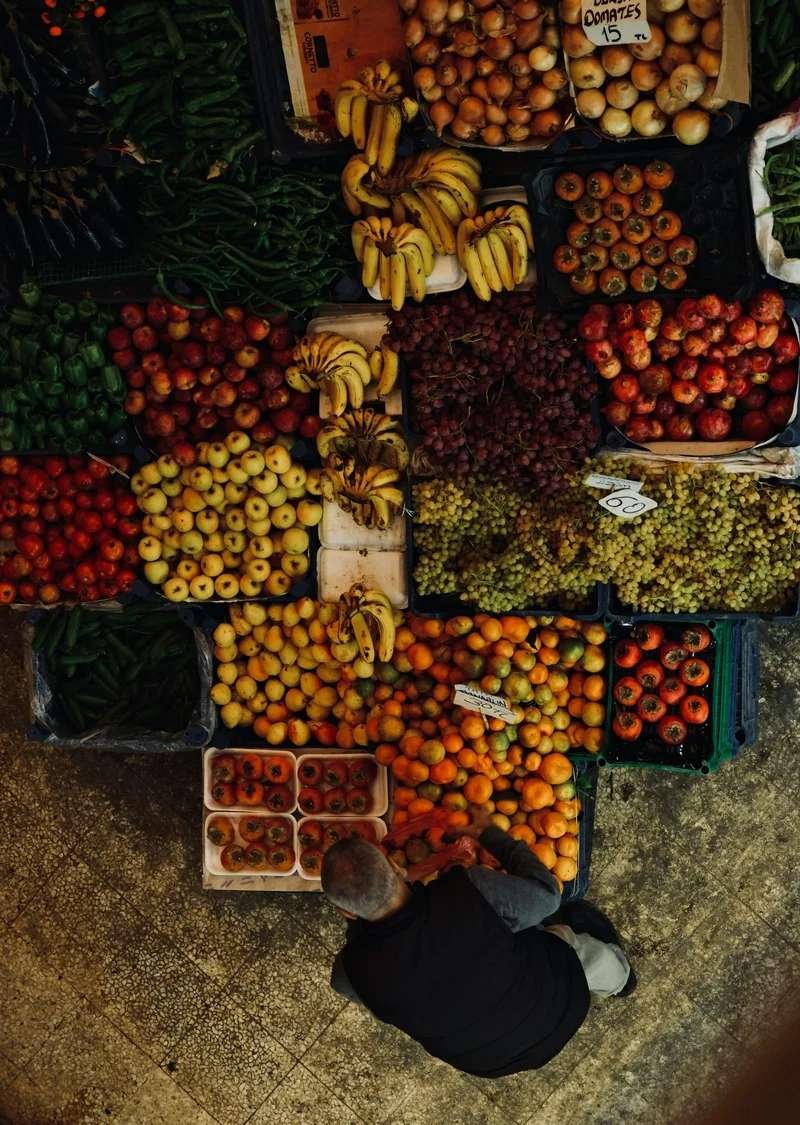
Options for picky kids:
- Bread (fresh, good quality, always available)
- Plain couscous or rice
- Grilled chicken (available everywhere)
- French fries (common in restaurants)
- Fruit (excellent and fresh)
- Yogurt
- Eggs for breakfast
Most restaurants accommodate simple requests. Plain pasta. Omelette. Grilled meat without sauce. Moroccan hospitality extends to children. Staff try to feed kids what they'll eat.
Avoid forcing adventurous eating. This creates stress and negative associations. Provide familiar options. Let kids try new foods voluntarily. Some will surprise you with what they like.
Managing Travel Times with Kids
Long drives exhaust children and create behavior problems. Breaking journey into segments helps significantly.
Strategies: Stop every 90-120 minutes (bathroom, stretching, snacks). Build in activity stops (kasbahs to climb, viewpoints to explore). Accept that travel days are mostly travel, not sightseeing. Use private transport (allows flexibility impossible with buses). Bring entertainment (tablets, books, games).
Critical rule: The 8-9 hour drive from Marrakech to Sahara is too long in single day with kids. Overnight stop in Dades Valley or similar makes this manageable. The extra accommodation cost is worth the reduction in stress.
Rest Days: Essential with children. Adults can push through exhaustion. Kids can't. They melt down, behavior deteriorates, everyone is miserable.
Build in:
- Pool days at riad
- Beach time with no scheduled activities
- Morning at accommodation, afternoon activity only
- Short day after long travel days
Rest doesn't mean wasted. It's necessary recovery that makes other days successful. One rest day per three active days is reasonable ratio.
Activities Kids Actually Enjoy
Cooking Classes: Hands-on cooking appeals to kids when structured appropriately. Bread making is particularly successful. Kids enjoy kneading dough and seeing results.
Choose:
- Short duration (2-3 hours maximum)
- Focus on one or two dishes
- Classes that expect kids and adjust accordingly
- Morning timing (before afternoon fatigue)
Skip elaborate multi-course cooking marathons. Kids lose interest. Simple, interactive sessions work better.
Pottery Workshops: Working with clay is universal kid appeal. Watching pottery wheel demonstrations fascinates them. Creating simple pieces themselves is engaging.
Keep expectations realistic. Kids won't create museum-quality pottery. They'll make wobbly bowls and uneven cups. The experience matters, not the product.
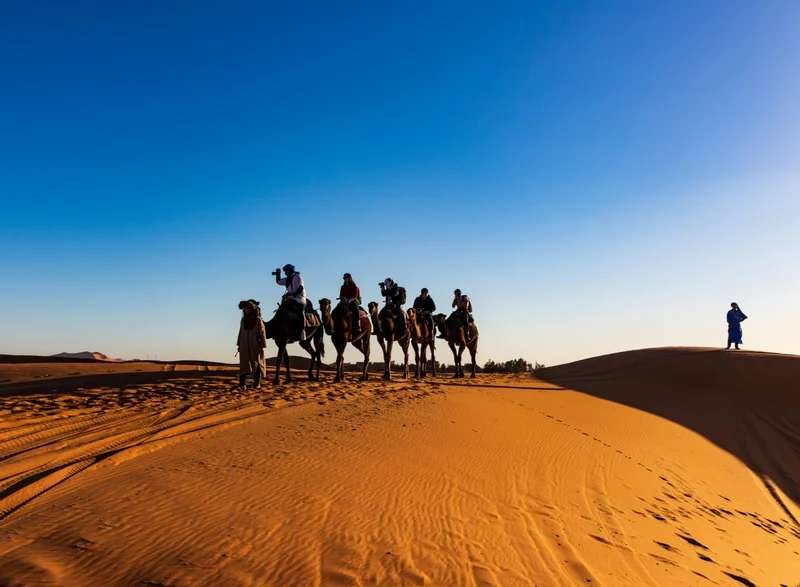
Camel Rides: Every kid wants to ride camel. The reality is less comfortable than anticipated. Keep rides short (20-30 minutes maximum). Longer rides create complaints about discomfort.
Consider this box-checking. They want to say they rode camel. Five minutes accomplishes this as effectively as two hours with less suffering.
Beach Time: Universally successful. Kids play in sand and water. Parents relax. The cultural component is minimal but recovery value is maximum.
The Atlantic is cool. Kids accustomed to warm Caribbean or Mediterranean might initially protest. Most adapt quickly. The waves and beach play compensate for water temperature.
Hammam Experience: This is age and child dependent. Some kids enjoy the spa-like experience. Others find it uncomfortable or boring.
Public hammams are very hot and socially crowded. Private spa hammams provide gentler introduction. If your child enjoys baths and water play, they might enjoy hammam. If they resist bathing, skip it.
Shopping Their Own Souvenirs: Give kids budget (50-100 dirhams) to shop for themselves. They enjoy selecting items and negotiating prices. This turns shopping from parental activity to their adventure.
Most choose small items: colorful slippers, small drums, carved camels, jewelry boxes. The purchasing process matters more than the items.
What to Skip
Extended Medina Shopping: Adults tire of medina shopping. Kids exhaust in 30 minutes. Plan for brief souk visits focused on specific items rather than extensive browsing.
If you want serious shopping time, do it during kid rest time at riad. One parent stays with kids. Other shops. Alternate as needed.
Too Many Cities Too Fast: "Imperial cities tour" itineraries visit four cities in seven days. This exhausts adults. It destroys children. Moving every two days prevents settling, increases stress, and creates constant packing/unpacking.
Better: Two cities plus desert or coast. Spend three nights each place. Kids adapt to routines. You're not constantly transitioning.
Adult-Paced Activities Kids Can't Handle
Long museum visits: Brief cultural exposure works. Extended doesn't.
Extensive palace tours: Detailed architectural examination bores children to tears.
Rule of thumb: If adults want 90 minutes, plan for 30-45 with kids. Accept abbreviated versions. You're seeing highlights, not comprehensive study.
Challenging trekking: Serious Atlas trekking doesn't work with children under teens. Light hiking (1-2 hours, minimal elevation gain, clear trails) works fine. Multi-day trekking with camping, high altitude, and long days doesn't work unless you have exceptionally outdoorsy older kids.
Late Night Dining: Moroccan dining times run late by American standards. 8-9pm dinner is normal. This conflicts with children's schedules.
Adapt: Early dinner at riad (6-7pm). Seek restaurants with flexible timing. Prioritize child schedule over cultural norms. Miserable tired children ruin everyone's evening.
Structuring Family-Friendly Itineraries
Successful family Morocco trips follow specific patterns:
10-Day Family Itinerary Structure:
- Marrakech: 3 nights (arrival recovery, gardens, light medina exposure, cooking class)
- Atlas day trip or overnight
- Travel to Sahara with overnight stop: 2 nights total
- Desert camp: 1 night
- Return to Marrakech or Essaouira: 3 nights (coast provides recovery)
- Depart
This shows diversity without constant movement. Each section has kid-appropriate activities. The pace allows rest.
Critical Elements for Family Success
Maximum three locations: More creates constant transition stress
Minimum two nights per location: Three is better for settling in
Build in pool/beach time: Kids need physical release, parents need downtime
Break long drives: Overnight stops transform exhausting days into manageable segments
Mix active and quiet days: Alternate intensity with recovery
Morning activities: Schedule major activities before afternoon energy drops
[Our family itineraries]({{ '/morocco/family/' | localizeUrl(lang) }}) include pre-selected family-friendly riads, private drivers (eliminates public transport stress), flexible daily structure (adjust based on how kids are doing), and activities scaled to age ranges.
Age-Specific Considerations
Ages 5-7:
- Shorter days (3-4 hours of activities maximum)
- More frequent stops and breaks
- Simple activities (gardens, animal encounters, playground time)
- Early bedtimes maintained
- Stroller consideration (medinas are uneven but main routes manage)
Ages 8-10:
- Can handle 4-5 hours of activities
- Enjoy hands-on workshops
- Physical challenges appeal (hiking, climbing, sandboarding)
- More flexible on food and schedules
- Can walk medinas without carrying
Ages 11-14:
- Appreciate cultural context when explained
- Want some autonomy and choice
- Photography interests them (bring camera or phone)
- Food adventurousness varies widely
- Physical activities strongly appealing
Teens (15+):
- Either engaged or resistant (not much middle ground)
- Give real input on itinerary choices
- Solo time in safe environments (riad, beach) appreciated
- Adventure activities crucial (surfing, hiking, sandboarding)
- Instagram moments motivate exploration
Parent Survival Strategies
Setting Realistic Family Travel Expectations
Morocco isn't Disney. Kids won't be entertained constantly. There will be boring moments, uncomfortable situations, and complaints. This is normal travel with children, not Morocco-specific problem.
Entertainment reality: Bring tablets with downloaded content, books, small games. Kids need these for travel time and rest periods. This isn't failing at cultural immersion. It's practical parenting.
Scheduling rule: One activity per day is sufficient for younger kids. Two maximum for older kids. Adults can do more. Kids can't without behavior deterioration.
Transport necessity: [Private drivers]({{ '/morocco-detour/' | localizeUrl(lang) }}) transform family travel. The flexibility to stop, adjust timing, and manage meltdowns without disrupting other passengers justifies the cost.
Accept Imperfect Cultural Immersion: Kids eat French fries in Morocco. They skip some cultural sites. They play in pools while you wanted them experiencing medinas. This is fine. You're creating positive family memories, not optimal cultural exposure.
Tag-Team When Needed: One parent explores with older kids. Other stays at riad with younger/tired children. You alternate. Both parents don't need identical experiences.
Build In Individual Attention: Each child gets some one-on-one parent time during trip. Solo outing. Special activity. This prevents sibling competition for attention and makes each child feel valued.
The Realistic Assessment
Morocco with kids requires more planning, more flexibility, and more patience than adult travel. The rewards are proportional to effort. Planning considerations include timing your visit around school schedules and optimal weather, budgeting for family-sized groups, and packing strategically for varied activities and climates.
Kids who experience Morocco at appropriate ages develop broader worldview, comfort with cultural difference, and family memories distinct from standard beach vacations.
But it's not easier than beach resort with kids' club. If you want easy, choose differently. If you want meaningful, Morocco delivers with appropriate preparation.
The age matters. The itinerary structure matters. The accommodation choices matter. Get these right and Morocco works well for families. Get them wrong and everyone is miserable.
Quick Family Travel Reference
Planning Morocco trip with your family? We specialize in family itineraries that balance cultural experiences with child-appropriate pacing and activities, removing logistics stress so you focus on your family.