What to Pack for Morocco: A Realistic Seasonal List
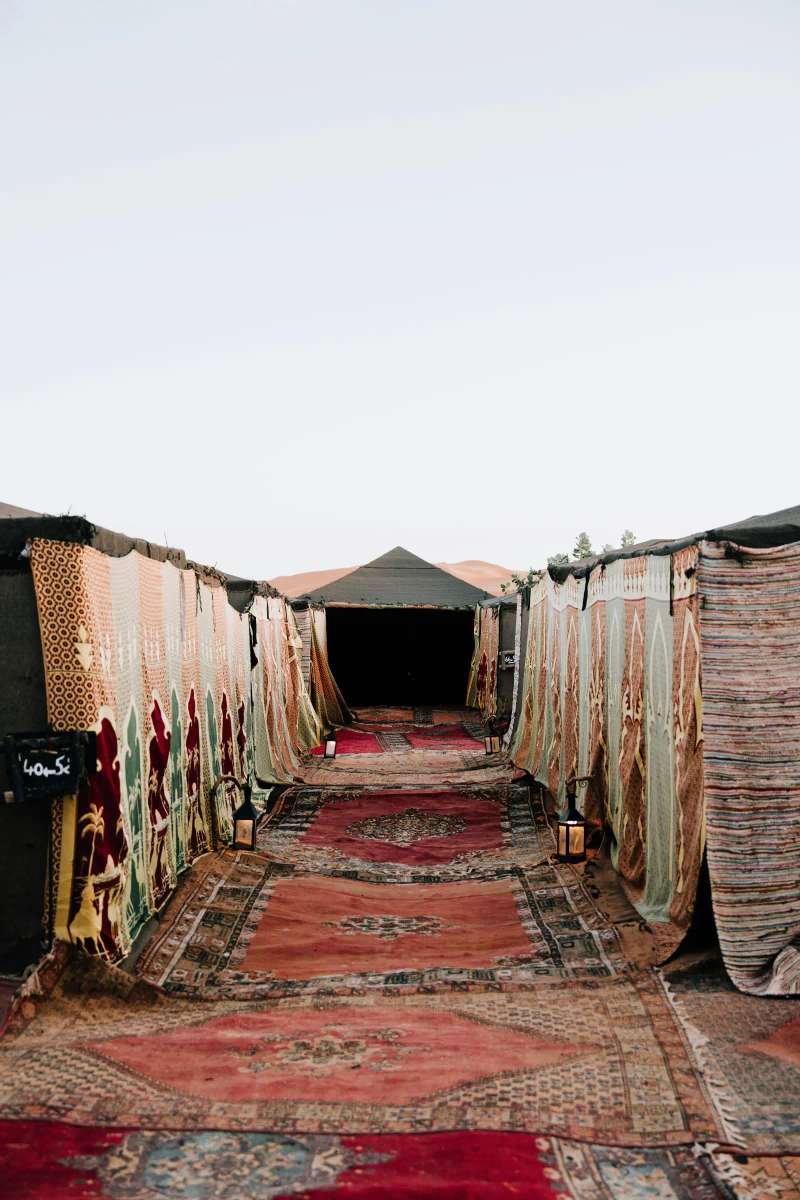
Morocco's climate varies enough that packing requires thought. Desert nights drop near freezing while midday temperatures hit 40°C, mountain passes carry snow in winter, and coastal towns stay moderate all year. In the cities the climate matters less than the ground: you walk on uneven surfaces for hours a day.
The good news is you need less than you think. The challenge is bringing the right less.
Packing Essentials At a Glance
By Season: Core Requirements
Season determines your base packing strategy. Understanding Morocco's seasonal patterns tells you which of the lists below applies to your dates.
Spring and Fall (March-May, September-November): These shoulder seasons bring the best weather and the widest temperature range: 25°C in the afternoon, 10°C or below after dark. Layering is essential.
Pack:
- Light base layers (t-shirts, thin long-sleeve shirts)
- Mid-weight fleece or sweater
- Light jacket or windbreaker
- Long pants and shorts
- Closed-toe walking shoes
- Light scarf (sun protection and warmth)
The layers work on their own or combined, and on a shoulder-season trip you will use all of them.
Summer Packing Reality (June-August)
Heat is the challenge: cities regularly exceed 35°C and the Sahara can reach 45°C. Only the coast and the mountains offer relief.
Cover up: long loose sleeves feel better in direct sun than bare arms do, which surprises most people on their first hot afternoon.
Essential additions: wide-brimmed hat, quality sunglasses, light pants to keep the sun off your legs, and one warm layer for air-conditioned interiors and cool evenings.
Summer (June-August): Heat runs the summer. Cities regularly pass 35°C and the Sahara reaches 45°C; the coast and the mountains are the only places that stay comfortable.
Pack:
- Light, breathable fabrics (cotton or performance materials)
- Long sleeves for sun protection (counterintuitive but effective)
- Wide-brimmed hat
- Sunglasses
- Light pants (protect legs from sun and heat)
- One warm layer for air-conditioned spaces or cool evenings
- Comfortable sandals with good support
Despite the heat, covered skin is more comfortable than bare skin in direct sun. Loose cotton over the arms and legs beats a t-shirt by mid-afternoon.
Winter (December-February): Winter has the widest gap between indoors and out. Cities are mild by day, but the buildings have no central heating. The desert is pleasant at midday and near freezing at night, and the mountains get a real winter, with snow on the passes.
Pack:
- Layering system: base, mid, outer
- Warm jacket (not just windbreaker)
- Warm sleeping layers if camping in desert
- Long pants
- Warm socks
- Scarf and light gloves for mountain passes
- Comfortable closed-toe shoes
Riads often lack heating. You'll appreciate warm layers for mornings and evenings indoors. Understanding riad architecture helps explain why interior temperatures follow exterior conditions. Desert camps provide blankets; in winter the temperature outside them is close to freezing.
By Region: Specific Requirements
Your itinerary determines the list. Morocco's regional climate variations mean packing for Marrakech differs from packing for the Sahara or Atlantic Coast.
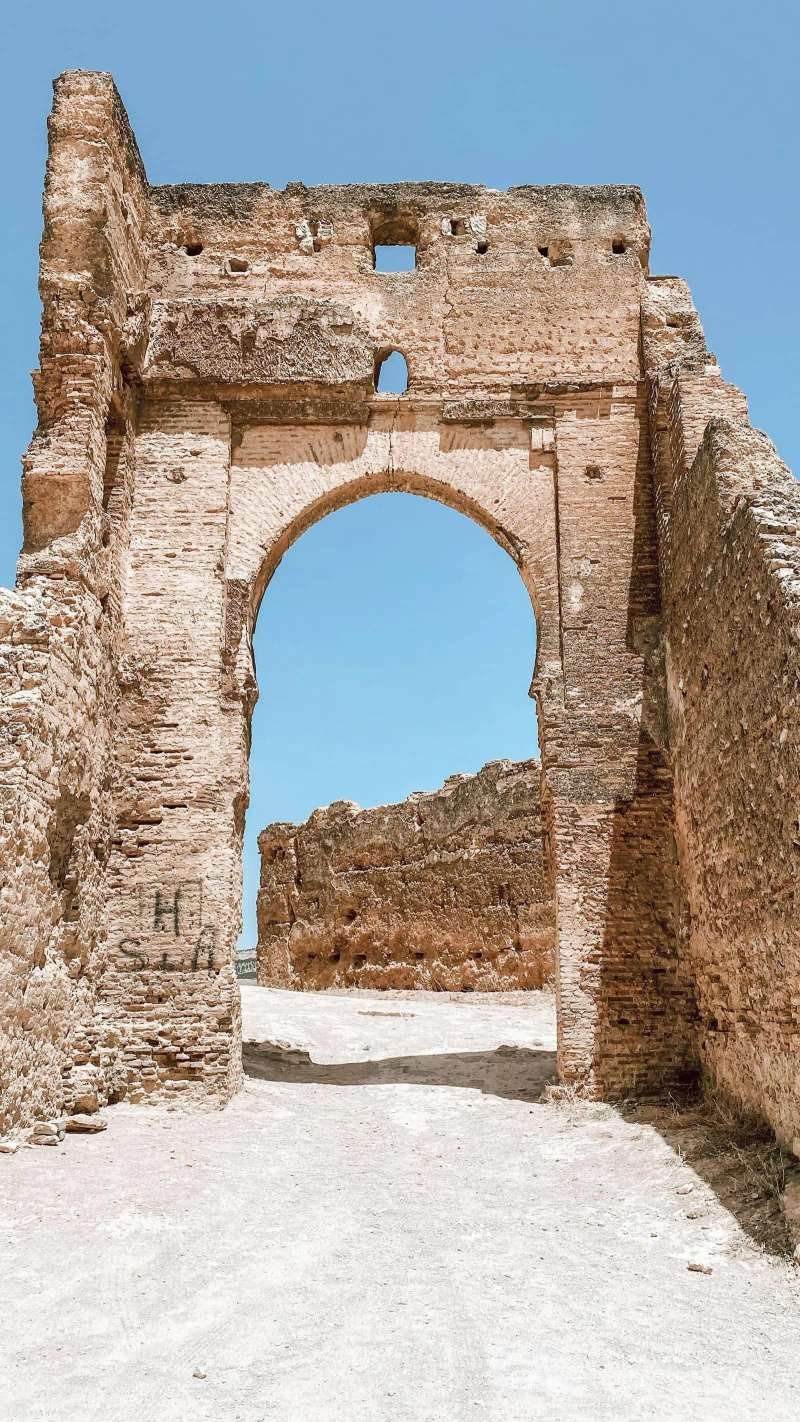
Desert: Sun protection is critical, and the sun is stronger than the air temperature suggests. Wind-blown sand gets into everything else you own.
Bring:
- Sunscreen (SPF 50, reapply frequently)
- Sunglasses with good UV protection
- Scarf or buff (protects face from sun and sand)
- Long sleeves and pants (protection over exposure)
- Layers for night (temperature drops around 15°C between afternoon and dawn)
- Closed-toe shoes (sand gets everywhere in sandals)
Some camps provide traditional Berber clothing for evening warmth. Ask when booking. If not provided, bring your own warm layers.
Mountains: Altitude does the work here: cooler air, and weather that changes faster than the forecast. In spring and fall, conditions differ sharply between the valley floor and the pass above it.
Bring:
- Good hiking shoes if trekking (not sneakers)
- Warm layers even in summer
- Rain jacket (spring especially)
- Sun protection (UV intensity increases with altitude)
- Small backpack for day hikes
If you're doing serious trekking, standard trekking gear applies: proper boots, trekking poles, appropriate layers. Day hiking requires less specialized equipment but good shoes remain essential.
Cities: Walking on uneven ground for hours is the normal day. Medina lanes are cobbled, occasionally muddy and sometimes slippery, and stairs turn up where you do not expect them.
Bring:
- Comfortable, broken-in walking shoes (not new shoes)
- Modest clothing (covered shoulders and knees)
- Small crossbody bag or daypack
- Comfortable but presentable clothing for restaurants
Your shoes matter more than anything else. Uncomfortable or inappropriate shoes ruin city exploration. Broken-in shoes with good support are non-negotiable.
Coast: Wind is the main consideration. Essaouira and the northern coast blow hard and consistently, and the Atlantic stays cool all year.
Bring:
- Windbreaker or light jacket
- Swimwear (but manage expectations about water temperature)
- Layers for temperature variation
- Sunscreen (wind makes you underestimate UV)
- Something to secure loose items (wind catches everything)
The coastal wind is a relief when you arrive and tiring by the end of the afternoon, which is why the windbreaker earns its space in the bag.
Cultural Considerations: Modesty Guidelines
Morocco is moderate and tolerant. The modesty expectations are reasonable, not extreme.
General Guidance: Cover shoulders and knees in cities and villages. This applies to both men and women. Tank tops and shorts work for desert camps, mountain hikes, and beaches. They're inappropriate for city streets.
The standard is not strict. Three-quarter length pants are fine, t-shirts are fine, and nobody expects arms covered to the wrist. Reasonable coverage reads as respect, and it does not require a costume.
Modesty Reality Check
What you need: Normal travel wardrobe with minor adjustments. Long pants or capris. Regular t-shirts or light long-sleeve shirts. A light scarf.
What you don't need: Special clothing or cultural costumes. Nothing is asked of a woman's hair anywhere in Morocco, and those who cover are unremarkable; a light scarf earns its place for sun and dust regardless. Men don't need long pants constantly.
The guideline: Consideration, not strict dress codes. Covered shoulders and knees in cities. That's it.
Mosque Visits: You may pray in any mosque in Morocco; the closure guidebooks describe applies to non-Muslim visitors. The Hassan II Mosque in Casablanca also receives them, on a paid guided visit outside prayer times. Its dress rule is covered shoulders and chest and clothing below the knee, with shoes removed before the prayer hall. Hair covering is not required for the visit and scarves are not lent, so pack your own.
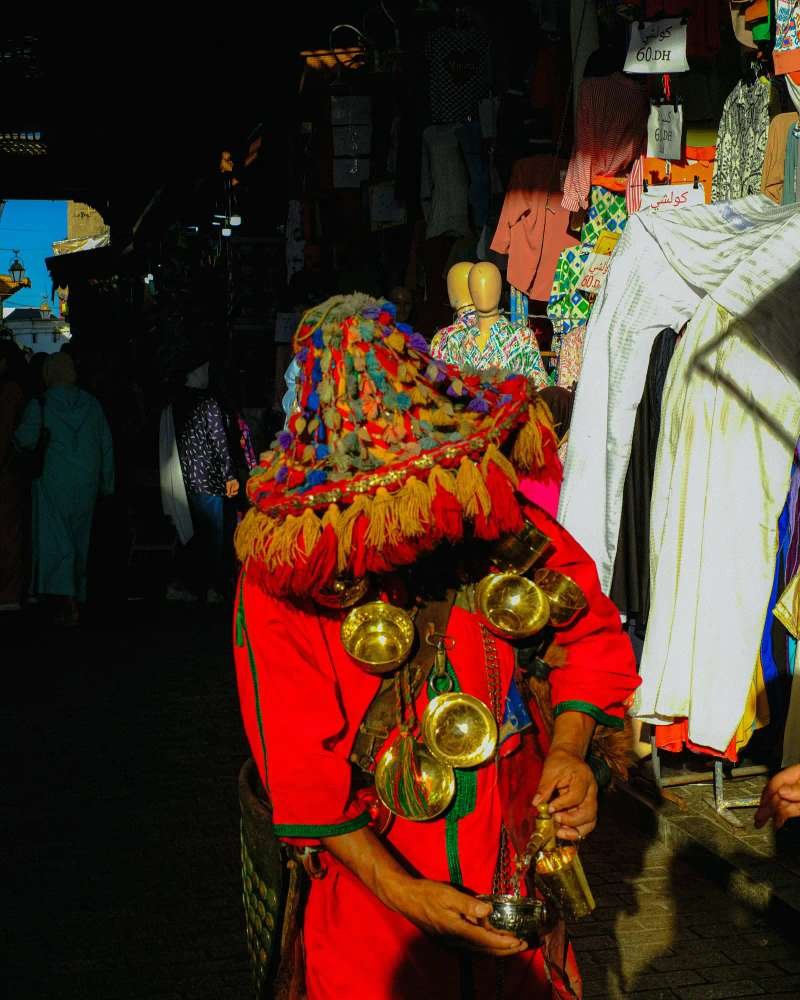
What This Doesn't Mean: You do not need special clothing. Your normal travel wardrobe works with minor adjustments: long pants or capris, regular t-shirts or light long-sleeve shirts, a light scarf. Standard travel items, in other words.
Nothing is asked of a woman's hair in Morocco, and those who cover pass unremarked. Men do not need long pants all day; shorts are fine in the right setting. Consideration is the whole of the guideline.
Dining: Better restaurants in the major cities expect what better restaurants anywhere expect: clean, presentable clothes. There is no additional cultural requirement.
Most dining is casual. Riads and local restaurants have no dress code beyond the general modest coverage guidelines.
Practical Essentials: What Earns Its Space
Beyond clothing, a few items are worth their weight.
Sun Protection Non-Negotiable
Stronger than it feels: reflection off white buildings and light stone raises your exposure, and the dry air keeps you from noticing the burn until it has happened.
Essential items:
- High SPF sunscreen (50+) - reapply regularly
- Sunglasses with UV protection
- Wide-brimmed hat or cap
- Lip balm with SPF
None of this is optional gear.
Power and Electronics: Morocco runs on European-style plugs (Type C and E) at 220V. Bring the adapters.
Most travelers need:
- Universal power adapter
- Phone charger
- Camera equipment if photography-focused
- Power bank (useful during long travel days)
WiFi is widely available in hotels and riads. Cell coverage is good in cities, limited in mountains and desert.
Sun Protection: Reflection off white buildings and pale stone raises your exposure well above what the shade suggests.
Essential items:
- High SPF sunscreen (50+)
- Sunglasses with UV protection
- Wide-brimmed hat or cap
- Lip balm with SPF
Reapply sunscreen regularly. The dry climate makes you less aware of burning until too late.
Walking Shoes: Worth repeating, because one item shapes the whole trip. Medina lanes, desert sand and mountain paths all ask the same thing of your footwear.
Requirements:
- Broken in (new shoes cause blisters)
- Good arch support
- Non-slip soles
- Closed-toe for protection
- Comfortable for all-day wear
Sandals belong in the bag as the second pair, for the riad and the beach, and nowhere near a full day in the medina.
Day Bag: A small backpack or crossbody bag carries daily essentials while keeping hands free for photography, shopping, or navigation.
Useful features:
- Water bottle pocket
- Main compartment for layers
- Secure pocket for valuables
- Comfortable to wear for hours
Size matters. A big pack becomes a burden by the afternoon, and a small one leaves you carrying things in your hands. A 15-20 liter daypack or a medium crossbody bag is the range that works.
Water Bottle: A reusable bottle cuts plastic and keeps you drinking. The climate pulls more water out of you than you are used to.
Choose:
- Insulated bottle (keeps water cool)
- At least 750ml capacity
- Easy to refill
- Fits in your day bag
Most accommodations provide filtered water for refilling. Bottled water is universally available but creates plastic waste.
Luggage Considerations: How you move around Morocco shapes what you pack it in. Transportation methods determine luggage type: trains have proper racks for hard suitcases, private drivers will take almost anything, and a shared grand taxi wants a soft bag that squashes. Settle the transport first, then choose the case.
What NOT to Bring
Certain items seem logical but prove unnecessary or problematic.
Leave These Home
Skip:
- Excessive clothing (laundry service widely available and inexpensive)
- Formal wear (unless attending specific events)
- Heavy guidebooks (digital versions work better)
- Expensive jewelry (unnecessary and creates security concerns)
- Too many shoes (two pairs maximum covers all needs)
- Large towels (accommodations provide; bring small travel towel if camping)
- Bulky camera equipment unless photography is primary interest
Things available in Morocco: Sunscreen, toiletries, clothing, most practical items. Prices are reasonable, and nothing you forget is a crisis.
Skip:
- Excessive clothing (laundry service is widely available and inexpensive)
- Formal wear (unless attending specific events)
- Heavy guidebooks (digital versions work better)
- Expensive jewelry (unnecessary and creates security concerns)
- Too many shoes (two pairs maximum covers all needs)
- Large towels (accommodations provide towels; bring small travel towel if camping)
- Bulky camera equipment unless photography is your primary interest
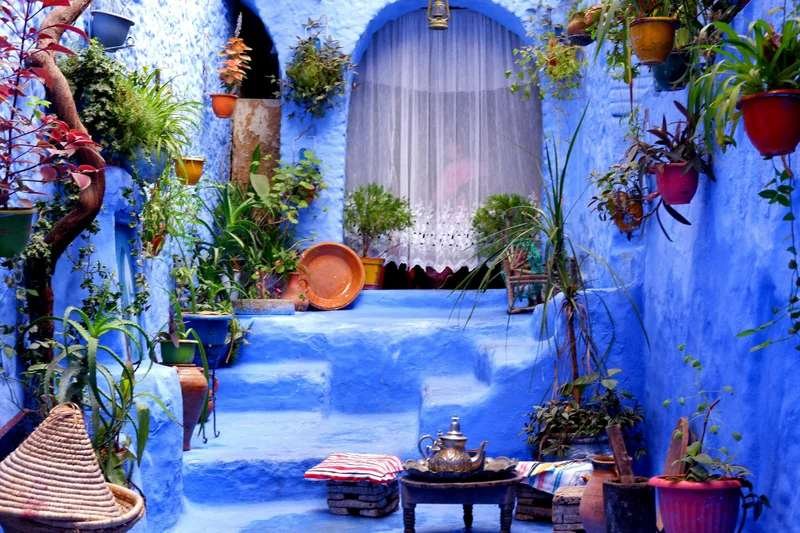
Things Available in Morocco: If you forget or need something, Morocco has shops. Sunscreen, basic toiletries, clothing, and most practical items are available in cities. Prices are reasonable.
Don't stress about forgotten items. You either buy what you need or discover you never needed it.
Packing by Trip Type
Different Morocco experiences require slight variations.
Family Trips: Add child-specific items (age-appropriate entertainment, snacks, any specialized items kids need). Morocco is well-equipped for families but having familiar items reduces stress. See family travel considerations for more details.
A portable booster seat is worth considering with young children, though many restaurants have their own. Add sunscreen formulated for children, and something to occupy them on the long drives.
Honeymoon Travel: Pack one nicer outfit for special dinners. Most honeymoon itineraries include at least one upscale restaurant or special evening. Otherwise, standard travel clothing works fine.
If you care about the pictures, bring the better camera; riads and landscapes both reward it.
Extended Trips: For trips longer than two weeks, plan for laundry midway through. Packing two weeks of clothing is unnecessary when laundry service is available, reliable, and inexpensive throughout Morocco.
Focus on versatile pieces that combine in several directions, and choose fewer, better things that layer.
The Philosophy: Pack Light, Travel Well
Morocco is not a remote destination lacking amenities. It's a developed country with modern infrastructure. First-time visitors routinely overpack on the assumption that they will not find what they need.
Pack for the experiences you've planned. Your trip budget and style might affect gear choices, but comfort and practicality matter more than luxury items. If your itinerary includes desert camping and mountain trekking, pack accordingly. If you're staying in cities with the occasional day trip, an ordinary city wardrobe is enough.
The goal is having what you need and nothing more. A light bag moves faster through a station, and it leaves room for what you buy.
You will survive forgetting things. You will not survive uncomfortable shoes or inadequate sun protection.
Pre-Trip Checklist
Confirm before departure:
- Passport valid more than 90 days beyond your arrival date (the six months quoted elsewhere is prudence, not the rule)
- Power adapters for European plugs
- Comfortable walking shoes broken in
- Sun protection (sunscreen, hat, sunglasses)
- Layers appropriate for season
- Modest clothing for cities
- Day bag for exploring
- Reusable water bottle
- Any medications in original containers
- Copies of important documents (digital and physical)
Quick Packing Reference
Planning a Morocco trip and would rather not handle the logistics? We coordinate the travel details, so your only remaining decision is what goes in the bag.
Frequently Asked Questions
- What is the dress code for tourists in Morocco?
Morocco is moderate and tolerant. Cover shoulders and knees in cities and villages as a sign of respect, which applies to both men and women. Tank tops and shorts are fine at desert camps, mountain hikes, and beaches. You do not need special clothing. Morocco asks nothing of a woman's hair, and guests who cover will find hijab and abaya entirely ordinary here. Pack a light scarf either way, for sun and dust, and for the guided visit at the Hassan II Mosque, where the rule is covered shoulders and chest and clothing below the knee.
- Do you need layers for Morocco?
Yes. The gap between afternoon and dawn runs to about 15 degrees Celsius, so a spring morning at 10 degrees becomes a 25-degree afternoon, and desert nights in winter fall close to freezing while the days stay warm. Base layer, mid-weight layer, outer shell: that combination covers every region in every season.
- What shoes should I wear in Morocco?
Broken-in walking shoes with good arch support and non-slip soles are the single most important item to pack. Medina streets are cobblestone, often uneven and sometimes slippery, and you will be on them for hours a day. Sandals are the second pair, for the riad and the beach; they are not walking shoes.
- What are the essential items to pack for Morocco?
The top essentials are broken-in walking shoes, SPF 50 sunscreen, quality sunglasses, a wide-brimmed hat, a light scarf for sun and sand protection, a universal power adapter for European-style plugs, a reusable water bottle, and a small daypack or crossbody bag. A power bank is also important for long travel days between cities.
- What should you not bring to Morocco?
Skip excessive clothing since laundry service is widely available and inexpensive, formal wear unless attending specific events, heavy guidebooks when digital versions work better, expensive jewelry which creates unnecessary security concerns, and more than two pairs of shoes. Most forgotten items like sunscreen and toiletries can be purchased affordably in Moroccan cities.