Souks and Medinas: How to Navigate Morocco's Markets
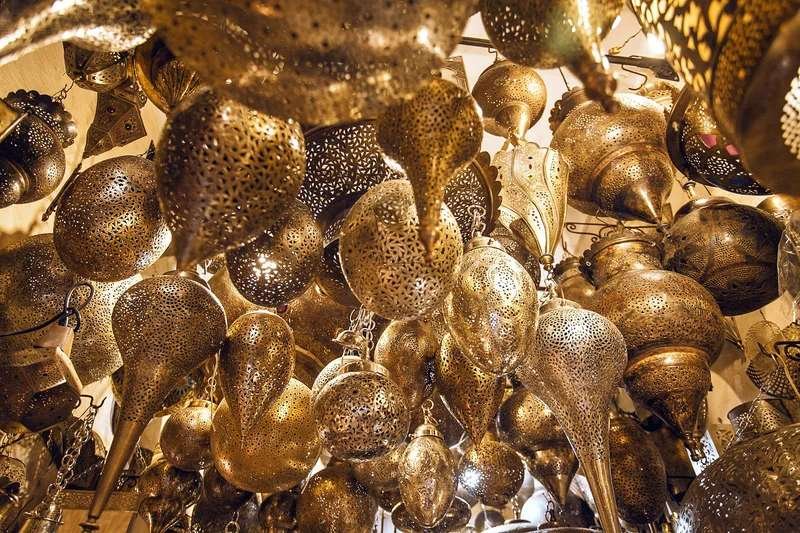
Moroccan medinas intimidate first-time visitors. The narrow passages. The visual density. The persistent invitations to shop. The sensation of being lost despite walking for only five minutes. This is normal response to unfamiliar urban logic. If you're visiting Morocco for the first time, understanding medina structure before you arrive helps reduce initial overwhelm.
Medinas follow organizational principles that make sense once you understand them. They're not random labyrinths. They're medieval cities with specific structures that still function as commercial and residential centers. Learning the basic framework reduces stress significantly.
Souks and Medinas At a Glance
Understanding Medina Structure
Medinas are old cities enclosed by defensive walls. Most major Moroccan medinas date from the 9th to 16th centuries, though continuous occupation means constant evolution.
Walls and Gates: Every medina has walls punctuated by gates (bab in Arabic). The gates serve as primary orientation points. When you're lost, finding a gate gives you location reference.
Modern cities grew outside these walls. The medina becomes a distinct district within the larger city. When people say "meet me at the medina," they typically mean a specific gate, not somewhere inside.
Main Thoroughfares: Each medina has principal streets connecting major gates and important sites (mosques, palaces, markets). These streets are wider (relatively), straighter, and busier. They're your navigation spine.
Secondary streets branch off main routes, leading to residential neighborhoods and specialized souks. Alleys off secondary streets go to individual homes and dead ends. The hierarchy is logical once you recognize it.
Souk Specialization: Souks organize by trade. All the carpet sellers cluster together. Metalworkers occupy another section. Leather goods have their quarter. This medieval guild system persists because it remains functionally efficient.
Specialization helps navigation. Once you know where the leather souk sits relative to the spice souk, you have mental landmarks. You're navigating by commercial district, not individual shops.
Daily Rhythms and Best Times
Medina activity follows predictable patterns.
Optimal Visiting Hours
Morning (8-11am): Best window. Calmer pace, fewer tourists, artisan workshops active. Local shopping happens early.
Midday (11am-3pm): Peak tourist intensity. All shops open, vendors active, hottest temps. Avoid if overwhelmed easily.
Late Afternoon (3-6pm): Second good window. Golden lighting, cooler temps, tourist crowds thin.
Evening (after 6pm): Tourist shops close, food stalls activate. Different energy without solicitation.
Fridays: Morning prayer means late opening. Some vendors close for the day. Afternoons typically quiet.
Morning (8am-11am): Shops open gradually. Local shopping happens early. The pace is calmer. Tourists are fewer. This is the best window for wandering without feeling pressured.
Artisan workshops operate during morning hours. You'll see metalworkers hammering, carpenters measuring, and dyers stirring vats. The city functions as a working production center, not just a shopping destination.
Midday (11am-3pm): Peak tourist hours. Maximum intensity. All shops are open. Vendors are active in solicitation. The medina is hottest (limited shade in narrow passages). If you find souks overwhelming, avoid these hours.
Late Afternoon (3pm-6pm): Energy shifts. Locals return for afternoon shopping. The lighting improves (golden hour). Temperatures cool. Tourist crowds thin slightly. This is the second good window for navigation.
The Craft Quarters
Each craft area has distinct characteristics.
Leather Tanneries (Fes Especially): Tanneries operate on medina edges near water sources. The process requires large vats for soaking hides in various solutions (lime, pigeon droppings, vegetable dyes). The smell is intense and specific.
Fes tanneries are Morocco's most famous, operating since medieval times using traditional methods. Viewing terraces overlook the dye pits. Shops surround the tanneries, selling finished leather goods.
The viewing experience is tourist-oriented. You'll be offered mint sprigs to offset the smell (accept them). Guides will explain the process. Shops will invite you to browse. The pressure to purchase is higher here than most souk areas.
The leather quality varies significantly. Good leather is supple, evenly dyed, and properly finished. Tourist-grade items use thin leather and synthetic dyes. If you're buying substantial pieces (jackets, bags), examine construction carefully.
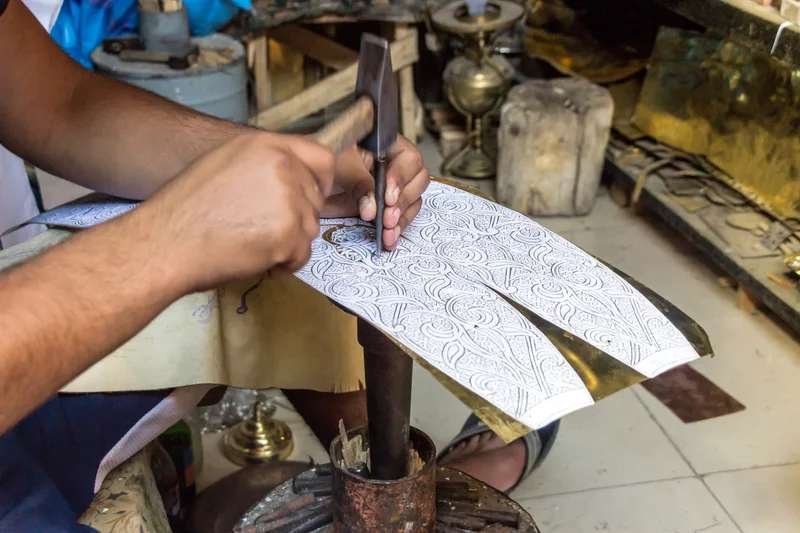
Metalwork Hammering: Copper, brass, and silver workers cluster in sections where the constant hammering doesn't disturb residential areas. The sound is distinctive and loud. Metalwork quarters announce themselves acoustically.
You'll see craftsmen beating flat sheets into curved forms, creating trays, lanterns, and decorative items. Others work in silver filigree, making jewelry using traditional Berber designs.
Watching helps you assess quality. Hand-hammered pieces show irregular tool marks. Machine-made items have uniform patterns. The price difference is substantial. Vendors know this distinction; whether they acknowledge it honestly varies.
Carpet Weaving: Carpet shops are numerous but actual weaving happens less visibly. Some shops maintain small demonstration looms. Most serious production occurs in workshops outside tourist routes or in villages.
Moroccan carpets divide into categories: Berber tribal patterns, urban geometric designs, and newer tourist-oriented pieces. The price range spans two orders of magnitude depending on age, materials, knot density, and artistic merit.
Unless you have specific carpet knowledge or serious intent to buy, the extended sales presentations can exhaust your patience. It's acceptable to decline carpet shop invitations without guilt.
Pottery and Ceramics: Pottery quarters feature shops displaying finished work and sometimes adjacent workshops where throwing and painting happen. Traditional Moroccan pottery uses distinctive regional styles (Fes blue and white, Safi bold colors, Tamegroute green glazes).
Pottery is heavy and fragile. Unless you're willing to ship items or carry them carefully, purchasing is impractical. Appreciation without purchasing is reasonable here.
Haggling: The Practical Reality
The expectation to negotiate prices exists but varies by situation.
Haggling Reality Check
Where haggling applies: Tourist goods (textiles, leather, crafts, souvenirs) expect negotiation. Initial prices are inflated 2-3x.
Where it doesn't: Food items, spices, daily necessities have fixed or minimal negotiation. Locals buying groceries don't haggle extensively.
The exhaustion factor: After several days, haggling becomes draining. Paying higher prices to avoid negotiation or shopping at fixed-price cooperatives is completely acceptable. This fatigue is universal among visitors.
Where Haggling Applies: Tourist-oriented goods (textiles, leather, crafts, souvenirs) expect negotiation. Initial prices are inflated. Final prices depend on your negotiation willingness and walking-away ability. Understanding typical Morocco shopping costs helps you gauge whether negotiated prices are reasonable.
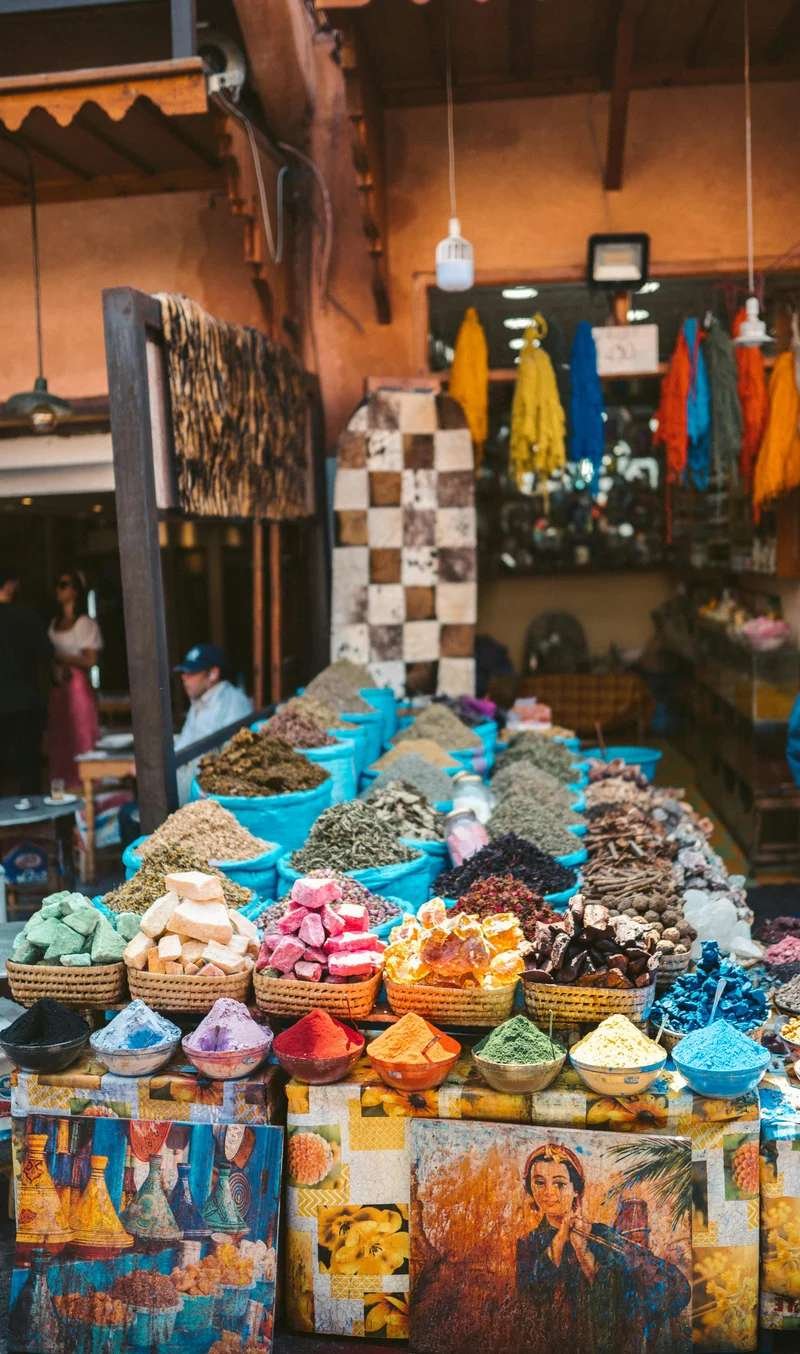
Food items, spices, and daily necessities usually have fixed or minimally negotiable prices. Locals buying groceries don't haggle extensively. Neither should you for simple market purchases. Many Moroccan cooking classes begin with spice market tours, teaching you to identify essential ingredients and understand their uses.
The Process: Vendor states price. You express interest but indicate price is high. You counter with significantly lower number (40-50% of asking price). Vendor reduces somewhat. You increase your offer modestly. This continues until agreement or you walk away.
The entire exchange is expected to remain good-natured. Aggressive negotiation or hostile tone is counterproductive. Treating it as game rather than combat helps.
When You've Had Enough: After several days in medinas, haggling becomes exhausting. The constant negotiation, even when good-natured, requires energy. This fatigue is universal among visitors. There's no shame in paying higher prices to avoid negotiation or shopping in fixed-price cooperatives.
Some travelers enjoy negotiation. Others find it stressful. Neither response is wrong. Adjust your souk time accordingly.
Tea Invitations and Shop Dynamics
Mint tea offers in shops serve multiple purposes.
The Function: Offering tea is genuine hospitality and sales technique. Both are true simultaneously. Tea slows you down, creates social obligation, and makes leaving without purchasing harder. It also represents real Moroccan hospitality tradition.
When to Accept: If you're genuinely considering purchase and want time to examine goods, accept tea. The time investment is mutual. You're committing to serious browsing.
If you're just looking casually, declining politely is appropriate. Simple phrases work: "Thank you, but I'm only browsing briefly" or "I appreciate the offer but can't stay."
Tea and Purchase Dynamics
Accepting tea doesn't require purchase. If you examine items, ask questions, and ultimately decide against buying, you can leave politely. Thank them for their time and tea. Professional vendors understand this.
Pressure tactics vary by shop and vendor. Some push hard after tea service. Others maintain grace regardless of outcome. Learning to read this is partly experience and partly intuition.
No Obligation: Accepting tea doesn't require purchase. If you examine items, ask questions, and ultimately decide against buying, you can leave politely. Thank them for their time and tea. Professional vendors understand this.
Pressure tactics exist but vary by shop and vendor. Some push hard after tea service. Others maintain grace regardless of outcome. Learning to read this is partly experience and partly intuition.
Navigation Strategies
Several approaches help prevent complete disorientation.
The Gate Method: Enter through a known gate. Explore inward. When ready to exit, navigate back to the same gate. This limits complexity. You're learning one section rather than the entire medina.
The Main Street Strategy: Identify the primary thoroughfare connecting major points. Walk this route multiple times until familiar. Branch off into side areas knowing you can always return to the main street.
The Spiral Approach: Enter, turn consistently in one direction (always right or always left), explore, then reverse the pattern to exit. This creates a searchable mental map rather than random wandering.
Using the Sun: Most medinas have general orientation (Fes flows downhill north to south, Marrakech centers on Djemaa el-Fna). Sun position helps maintain directional sense even when street turns confuse.
Accepting Temporary Lost Status: Being temporarily unsure of location is normal. Medinas aren't dangerous. You'll eventually reach a gate or main street. The lost feeling passes with exposure. Day two feels easier than day one. If you're staying in a riad deep in the medina, learning your route home becomes part of the experience.
Photography Etiquette
Taking photos in medinas requires attention to courtesy.
Photography Guidelines
Private spaces: Don't photograph inside homes through open doors. Residential privacy deserves respect.
People: Ask permission before photographing individuals, especially women and children. Many prefer not to be photographed. Some vendors expect payment for portraits. This is fair.
Shop interiors: Ask before photographing. Some vendors welcome it (free advertising), others object. Two seconds of inquiry prevents friction.
Street scenes: Wide shots where individuals aren't the focus are generally acceptable without permission-seeking from everyone visible at distance.
Private Spaces: Don't photograph inside homes through open doors. Residential privacy deserves respect. The beautiful doorway or interior courtyard you glimpse belongs to someone's private life.
People: Ask permission before photographing individuals, especially women and children. Many prefer not to be photographed. Some vendors expect payment for portrait photos. This is fair given tourism's economic role.
Street scenes where individuals aren't the focus are generally acceptable. Capturing market atmosphere, craft work, or architectural details doesn't require permission-seeking from everyone visible at distance.
What's Worth Buying
Certain items represent good value and quality. Others are tourist traps.
Good Value:
- Spices (if you cook, these are fresh and inexpensive - especially valuable if you're taking a cooking class)
- Argan oil (when purchased from reputable sources, not tourist shops)
- Simple textiles (scarves, basic garments)
- Small leather goods (wallets, pouches)
- Traditional ceramics for actual use
Questionable Value:
- Ornate lanterns (attractive but fragile and heavy)
- Large carpets (unless you have expertise and shipping plans)
- "Antique" anything (likely reproduction)
- Cheaply made leather (looks good initially, fails quickly)
- Decorative items you'll never display
Complete Skips:
- Fake fossils (geology fraud is common)
- Tourist-grade argan oil (diluted or fake)
- Mass-produced "handcrafted" items
- Items you don't actively want
Buying because you feel pressure or guilt about browsing is unrewarding. Purchase items you genuinely want and will use.
The Specific Medinas
Each major medina has distinct character.
Major Medina Characteristics
Fes El-Bali: Morocco's largest and most complex. Genuinely labyrinthine layout. Highest craft authenticity (tanneries, metalwork, woodcarving at scale). Moderate tourism intensity. Living city more than tourist attraction. Plan for getting lost.
Marrakech Medina: More tourist-oriented, easier navigation. Souks radiate from Djemaa el-Fna square (findable center). More aggressive vendor solicitation. Crafts lean toward tourist market. Best for first-time medina exposure.
Essaouira Medina: Smallest major medina. Portuguese-influenced semi-grid layout. Straightforward navigation. Focus on thuya woodwork and textiles. Lower pressure. Good introduction or relief after intense cities.
Fes El-Bali: Morocco's largest medina and most complex. The layout is genuinely labyrinthine. Streets follow organic medieval development without grid logic.
The craft authenticity is highest in Fes. Tanneries, metalwork, woodcarving, and textile production operate at scale using traditional methods. This is the medina for experiencing working craft traditions.
Tourism intensity is moderate compared to Marrakech. Local life dominates. You're navigating a living city more than a tourist attraction. If you're deciding between Fes and Marrakech, the medina experience differs significantly between the two cities.
Plan for getting lost. Hire a guide for first entry if this concerns you. Accept that full navigation competence takes days of exposure.
Marrakech Medina: More tourist-oriented, easier to navigate. The souks radiate from Djemaa el-Fna square, creating a findable center. Main passages are wider. Signage exists. First-time visitors to Marrakech often find the medina structure more approachable than Fes.
Tourist solicitation is more aggressive here. Vendor persistence reflects higher tourist volume and competition. This can be exhausting or motivating depending on personality.
The crafts lean more toward tourist market than authentic production. Quality exists but requires more searching than in Fes. Prices start higher.
Marrakech works well for first-time medina exposure. The intimidation factor is lower. Navigation success comes faster.
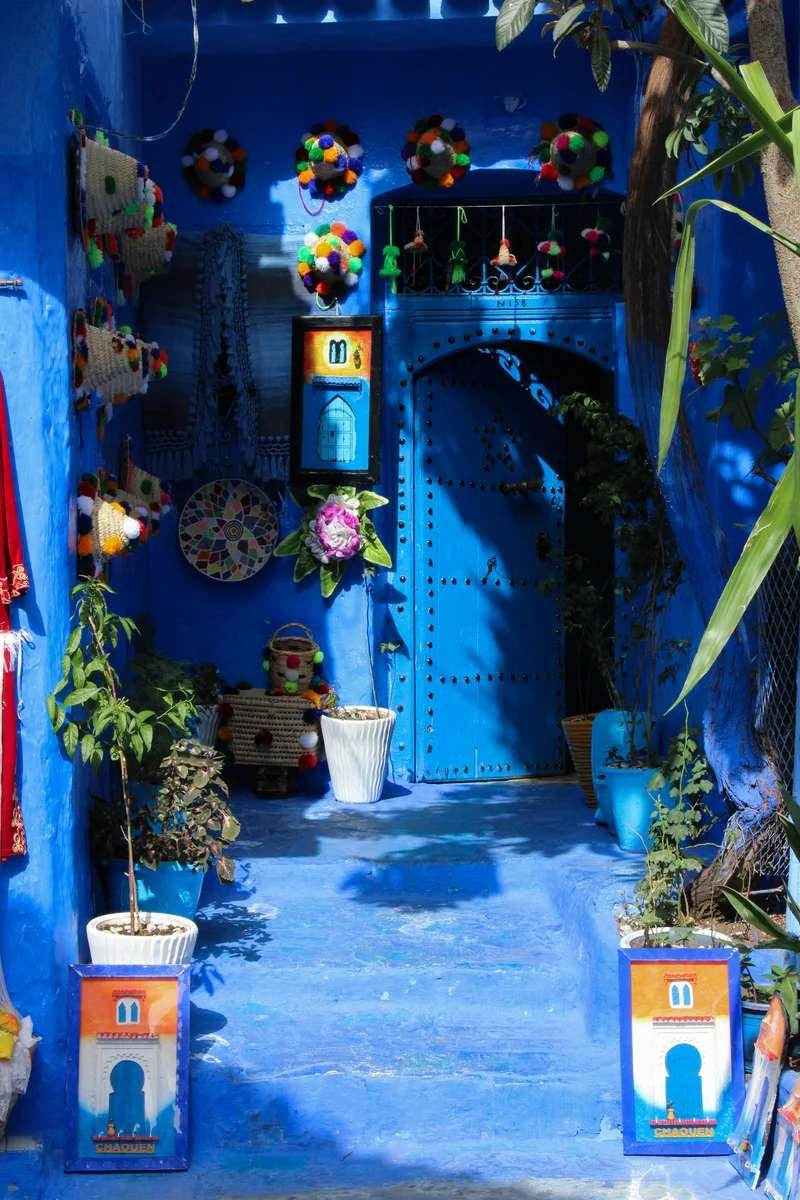
Essaouira Medina: Smallest of the major medinas. The Portuguese-influenced layout uses semi-grid planning. Navigation is straightforward.
The craft focus is woodwork (thuya wood specific to this region) and textiles. The scale is manageable. Pressure is lower than Marrakech.
Essaouira serves well as medina introduction or relief after more intense cities. The coastal wind moderates temperature and creates different energy.
Managing Overwhelm
The sensory density in souks affects everyone initially.
Managing Sensory Overwhelm
Normal responses: Feeling overstimulated is standard. The combined visual (patterns, colors, movement), auditory (vendors, hammering, music), olfactory (spices, leather, cooking), and social (constant interaction) input creates intensity.
Practical management:
- Visit in shorter segments initially (2 hours vs 4 hours)
- Take breaks in cafes or quiet courtyards
- Visit during calmer hours (mornings, late afternoons)
- Remember solicitation isn't personal. Vendors are working
- "No thank you" said firmly and calmly usually ends interaction
Some people adapt quickly. Others need breaks. Neither indicates failure or unsuitability for Morocco travel.
Normal Responses: Feeling overstimulated is standard. The visual input (patterns, colors, movement), auditory input (vendors calling, hammering, music), olfactory input (spices, leather, cooking), and social input (constant interaction offers) together create intensity.
Some people adapt quickly. Others need breaks. Neither response indicates failure or unsuitability for Morocco travel. It's physiological reality of unfamiliar sensory environments.
Practical Management: Visit medinas in shorter segments initially. Two hours feels different than four hours. You can always return.
Take breaks in cafes or quiet courtyards. Most medinas have oasis spots where intensity drops. Finding these early helps.
Visit during calmer hours (mornings, late afternoons). Peak tourist times amplify everything.
Remember that solicitation isn't personal. Vendors are working. "No thank you" said firmly and calmly usually ends interaction.
Guided Versus Independent Exploration
Both approaches have merit.
Guided First Time: A knowledgeable guide teaches the structure, explains craft processes, navigates efficiently, and handles vendor interactions. This reduces stress and accelerates learning.
Our approach includes guided medina introduction in major cities. The guide provides framework. Subsequent independent exploration uses that foundation.
Independent Wandering: Solo exploration allows personal pacing, spontaneous discovery, and freedom to linger or skip based on interest. You develop navigation confidence through direct experience.
Most travelers benefit from combining approaches. Guided structure first, independent exploration after. The guided portion isn't comprehensive touring. It's teaching you how to navigate effectively alone.
Setting Realistic Expectations
Medina navigation takes practice. Day three feels different than day one. Competence builds with exposure.
You won't see everything. Medinas contain thousands of shops, dozens of craft quarters, and infinite alleys. Selective exploration is normal and appropriate.
Some days you'll enjoy souks. Other days they'll exhaust you. Both experiences are valid. Adjust your itinerary accordingly rather than forcing enthusiasm.
The goal isn't mastery. It's comfort. Being able to walk through medinas without stress, find what interests you, decline what doesn't, and return to your starting point successfully. This is achievable for virtually all travelers with modest time investment.
Quick Souks & Medinas Reference
Planning to explore Morocco's medinas and souks? We can help structure your medina time, suggest which cities for which interests, and arrange guides where they help most.