Morocco Travel Costs: What to Expect at Every Budget
Morocco accommodates travelers across a wide financial spectrum. You can travel here on $50 per day using hostels, buses, and street food. You can spend $1,000 per day staying in luxury riads with private drivers and curated experiences. Most travelers land somewhere between these extremes. If you're visiting Morocco for the first time, understanding cost structures helps set realistic expectations.
Understanding what different price points provide helps you allocate budget appropriately. The goal isn't spending the least or the most. It's spending effectively on things that matter to your specific trip goals. Major budget factors include seasonal timing (shoulder season saves 20-30%), transportation choices, and accommodation standards.
Travel Costs At a Glance
Cost Ranges by Travel Style
Three broad categories describe how most people travel in Morocco. Each delivers different experiences.
Budget Travel ($50-80 per person per day): This is hostel dormitories or very basic hotels, public transportation, street food with occasional restaurant meals, free or low-cost activities, and self-guided exploration.
Budget travel works well for young travelers with time flexibility, solo travelers willing to adapt to circumstances, and those for whom low cost is the primary objective. You see Morocco authentically because you're using the same infrastructure as budget-conscious locals.
The trade-offs are comfort, efficiency, and predictability. Budget accommodations vary in quality. Public transport runs on fixed schedules. Street food requires strong constitution. Navigation and problem-solving consume time and energy.
Mid-Range Travel ($150-250 per person per day): This is comfortable three-star hotels or modest riads, mix of walking and taxis with occasional private transfers, restaurant meals with some street food, guided tours for specific activities, and organized elements combined with independence.
Mid-range offers the broadest flexibility. You have private bathroom, reliable accommodation, transportation options, and professional guidance when helpful. This is where most first-time visitors and families land.
The experience balances cost management with comfort. You're not roughing it but not operating at luxury level. Quality varies by city and season. Research and booking attention matter at this level.
Luxury-Private Travel ($400-800+ per person per day): This is boutique riads and luxury hotels, private drivers for all intercity travel, curated experiences with expert guides, cooking classes with notable chefs, carefully selected restaurants, and comprehensive logistics management.
This level removes friction. Accommodations are beautiful and comfortable. Transportation is private and flexible. Experiences are arranged and confirmed. The expertise level is high throughout. Problems get solved before you notice them.
The value isn't just nice hotels. It's the entire experience operating at elevated level where quality, knowledge, and attention to detail are consistent. This is the category where YVM operates, not as absolute top-tier (palace hotels, private jets) but as thoughtful curation with consistent quality.
Typical Expenses by Category
Understanding individual cost components helps budget planning.
Accommodation Cost Reality
Budget: $15-30/night (hostel dorm or basic private room)
Mid-range: $80-150/night (comfortable riad/hotel, breakfast included)
Luxury: $200-500+/night (exceptional properties, full service)
Seasonal variation: High season (spring/fall) runs 30-50% higher than shoulder season. Marrakech costs more than smaller cities.
Desert camps: $50 (basic Berber tent) to $400+ (luxury with beds, bathrooms, dining). The difference is substantial in comfort.
Accommodations:
- Budget hostel/basic hotel: $15-30 per night (dormitory or basic private room)
- Mid-range hotel/riad: $80-150 per night (comfortable private room, breakfast included)
- Luxury riad/boutique hotel: $200-500+ per night (exceptional properties, full service)
Prices vary significantly by city and season. Marrakech costs more than smaller cities. High season (spring, fall, major holidays) runs 30-50% higher than shoulder season.
Desert camps range from $50 (basic Berber tent) to $400+ (luxury camps with proper beds, bathrooms, dining service). The difference is substantial in comfort.
Meals:
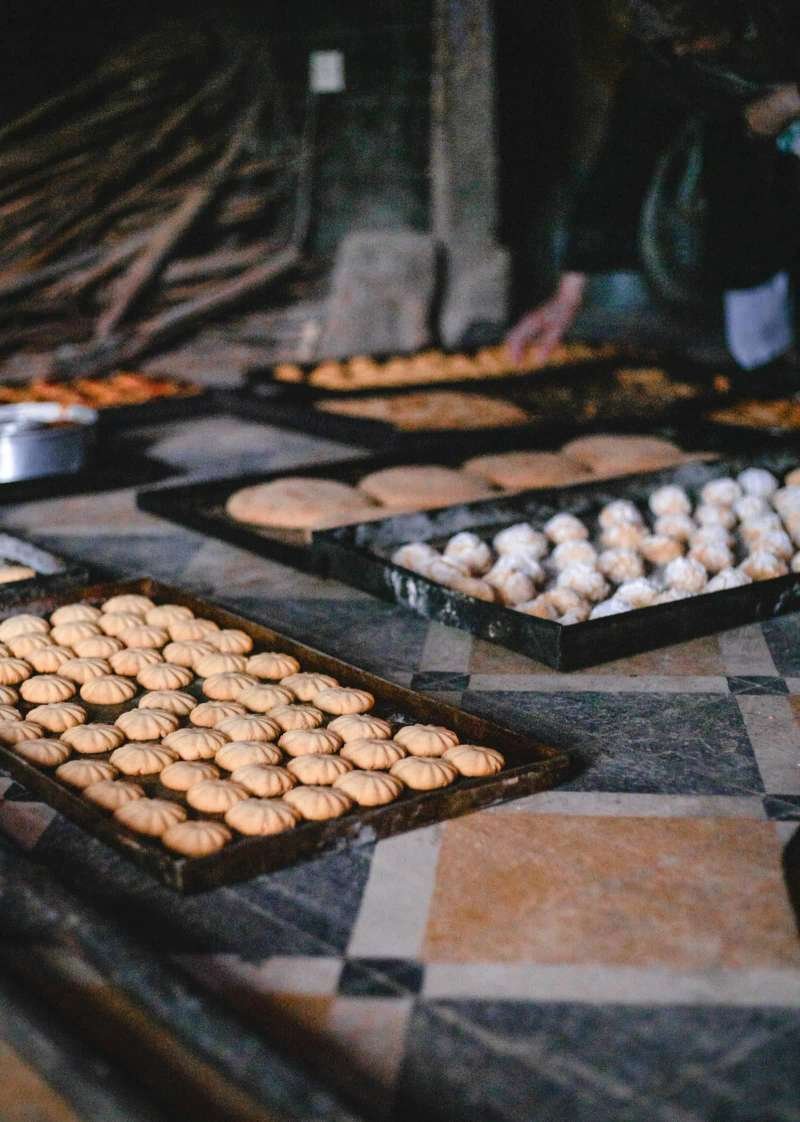
- Street food: $2-5 per meal (fresh bread, grilled meat, tajine from stalls)
- Casual restaurant: $8-15 per meal (neighborhood restaurants, cafe dining)
- Mid-range restaurant: $20-35 per meal (good riad restaurants, established venues)
- Fine dining: $50-100+ per meal (top Marrakech restaurants, chef-driven experiences)
Street food in Morocco is genuinely good. You're not sacrificing quality for price. The grilled sardines at coastal stalls, the fresh bread, the tajines at market restaurants are authentic daily Moroccan food.
Restaurant meals at riads often represent good value. The setting is beautiful, the food is careful, and prices are moderate because you're not paying for location or tourist traffic.
Transportation:
- Local petit taxi: $1.50-3 per ride within cities
- Intercity train: $10-25 depending on distance and class
- CTM bus: $8-20 for major routes
- Private driver day rate: $80-150 depending on distance and vehicle
- Multi-day Sahara trip with driver: $300-500 for 2-3 days
Transportation represents significant budget difference between independent and organized travel. Public transport is inexpensive but time-consuming and requires navigation competence. Private drivers cost more but change the experience fundamentally.
Activities and Entry Fees:
- Historic site entries: $1-7 per site (palaces, gardens, museums)
- Cooking class: $40-100 per person depending on quality
- Hammam (public): $5-15 including scrub
- Hammam (private spa): $40-80 for treatment
- Guided medina tour: $30-60 depending on duration and guide quality
- Desert camp (included in Sahara trip pricing above)
Entry fees are surprisingly modest. Morocco hasn't monetized access to cultural sites heavily. A full day of sightseeing might cost $10-20 in entry fees total.
Experiences vary more in cost. A cooking class at a tourist-focused venue differs from one with a skilled home cook or professional chef. The price reflects expertise, setting, and group size.
Shopping and Souvenirs: This category is entirely variable based on personal interest. You can spend nothing or thousands.
Typical souvenir budget: $50-200 for several items (scarves, small leather goods, spices, pottery) Serious purchases: $200-2,000+ for quality carpets, significant leather goods, or artisan crafts
Good handicrafts represent genuine value. A hand-knotted Berber carpet at $400-800 is reasonable for months of work. A hand-stitched leather bag at $80-120 is fair for the craftsmanship. These aren't travel souvenirs but items you'll use for years.
What Affects Costs
Several factors influence actual spending beyond base choices.
Seasonal Cost Variations
High season (Mar-May, Sep-Nov): Accommodations run 30-50% higher. Popular riads fill completely. Flights cost more. No negotiation leverage.
Shoulder season (Feb, Jun, early Dec): 20-30% savings with good weather still. Best value timing.
Low season (Jan, late Dec, Jul-Aug): Cheapest rates but weather trade-offs (winter cold or summer heat).
Season: High season (March-May, September-November) runs 30-50% higher than low season for accommodations. Popular riads and desert camps fill completely, eliminating negotiation leverage. Flights cost more.
Shoulder season (February, June, early December) offers 20-30% savings with good weather still. Winter (January, late December) and summer (July-August) are cheapest but have weather trade-offs.
City Versus Rural: Marrakech and touristy destinations cost more than smaller cities and rural areas. The same quality riad that's $200 in Marrakech might be $120 in Meknes. Meals, taxis, and activities follow similar patterns.
This doesn't mean avoiding Marrakech. It means understanding your budget goes further in less-trafficked destinations.
Independent Versus Organized: Self-organizing saves money upfront but consumes time and sometimes results in false economy. Spending two hours finding accommodation, negotiating, and settling in has opportunity cost.
Organized travel costs more initially but operates more efficiently. The time spent experiencing Morocco versus managing logistics differs substantially. Our approach removes friction while providing transparency about costs.
Group Size: Solo travelers pay full accommodation rates and can't split transportation costs. Couples share rooms and vehicle costs. Groups of 4-6 achieve best per-person economics for private travel.
This particularly affects private drivers. Solo traveler pays same $400 for three-day Sahara trip as a couple or family of four. For four people, that's $100 per person. The economics shift dramatically.
Where to Invest: Money Well Spent
Certain expenses provide disproportionate value for money spent.
Worth the Investment
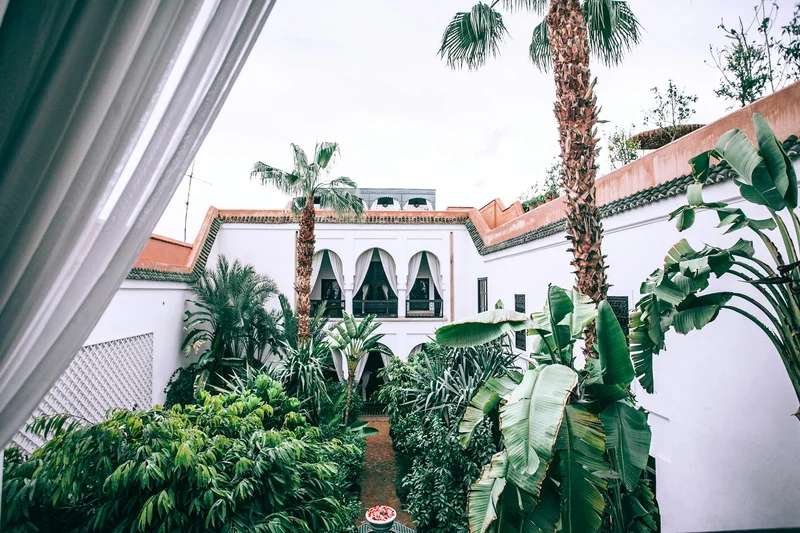
Quality accommodations: Difference between $80 and $150/night is substantial. Poor accommodations affect sleep, mood, energy, cascading through your trip. Good riads provide beautiful settings, knowledgeable staff, excellent breakfasts, tranquil spaces. Matters more than most travelers anticipate.
Private drivers: Per-day cost ($80-150) divided by passengers becomes reasonable. Transforms intercity travel into experiences. Journey from Marrakech to Sahara becomes watching landscape transition, stopping at kasbahs, spontaneous photos.
Cooking classes: Good class ($60-100) teaches techniques for home use, provides cultural context, creates lasting memories. Small investment relative to trip cost, high return value.
Accommodations: The difference between $80 and $150 per night is substantial in quality, location, and service. Moving from basic to good accommodation improves your entire experience. You start each day in a pleasant space. You return each evening to comfort.
Poor accommodations affect sleep, mood, and energy. This cascades through your trip. The $50-70 per night saved on budget hotels costs you in daily experience quality.
Good riads (not necessarily luxury) provide beautiful settings, knowledgeable staff, excellent breakfasts, and tranquil spaces between medina intensity. This matters more than most travelers anticipate.
Private Drivers: For intercity travel, private drivers transform the experience. The per-day cost ($80-150) divided by passengers becomes reasonable. The flexibility, comfort, and ability to stop spontaneously changes how you experience Morocco's geography.
The journey from Marrakech to Sahara isn't just transportation. It's watching landscape transition, stopping at kasbahs, taking photos at mountain passes. Private driver makes this possible. Bus or train eliminates it.
For families, private transport removes multiple stress points. For cultural exploration, it enables spontaneous stops at artisan workshops. For all travelers, it provides reliability.
Cooking Classes: A good cooking class ($60-100) teaches techniques you'll use at home, provides cultural context, and creates memories beyond sightseeing. The investment is small relative to trip cost but high in return value.
Choose carefully. Tourist-factory classes where you watch more than cook provide less value. Small-group instruction with skilled teachers (professional chefs or accomplished home cooks) justifies the cost.
Quality Handicrafts: Better to buy one excellent piece than five mediocre souvenirs. A quality carpet, significant leather bag, or artisan pottery serves you for years. The price reflects genuine craft.
The carpet you negotiate from $800 to $500 represents months of hand-knotting work. At $500, it's still fair value for the artisan. Tourist-grade printed "carpets" at $80 are false economy. They look cheap and wear poorly.
Where You Can Save: Money Not Spent
Other areas allow cost savings without sacrificing experience.
Smart Savings Without Sacrifice
Street food: Moroccan street food is excellent. You're eating what locals eat, which happens to be inexpensive and often superior to tourist restaurants. Fresh bread, grilled meat, market tajines cost 20-30% of restaurant equivalents.
Public hammams: Tourist spas charge $50-100 for what public hammams provide at $10-15. More authentic experience too. Scrub is thorough in both. Luxury hammam provides nicer towels and quieter atmosphere. Whether that's worth $60-80 premium depends on priorities.
Walking: Most medina sightseeing on foot. Good shoes eliminate taxi needs. Saves money while providing better experience seeing street life.
Street Food: Moroccan street food is excellent. You're not eating poorly to save money. You're eating what locals eat, which happens to be inexpensive and often superior to tourist restaurant versions.
Fresh bread from neighborhood bakeries. Grilled meat from street vendors. Tajine from market stalls. Mint tea at sidewalk cafes. These cost 20-30% of restaurant equivalents and often taste better.
Public Hammams: Tourist spa hammams charge $50-100 for what public hammams provide at $10-15. The experience is more authentic in public hammams. You're using neighborhood facilities with locals.
The scrub is thorough regardless of setting. The steam is hot in both. The luxury hammam provides nicer towels and quieter atmosphere. Whether that's worth $60-80 premium depends on your priorities.
Walking: Most medina sightseeing happens on foot. Good shoes eliminate taxi needs within old cities. This saves money while providing better experience. You see street life, discover shops, and understand neighborhood organization. Packing the right footwear and essentials matters more than bringing excessive clothing or gear you can buy locally.
Modern city areas (Guéliz in Marrakech, ville nouvelle in Fes) are similarly walkable. The occasional petit taxi for longer distances costs $2-3. Walking is free and often preferable.
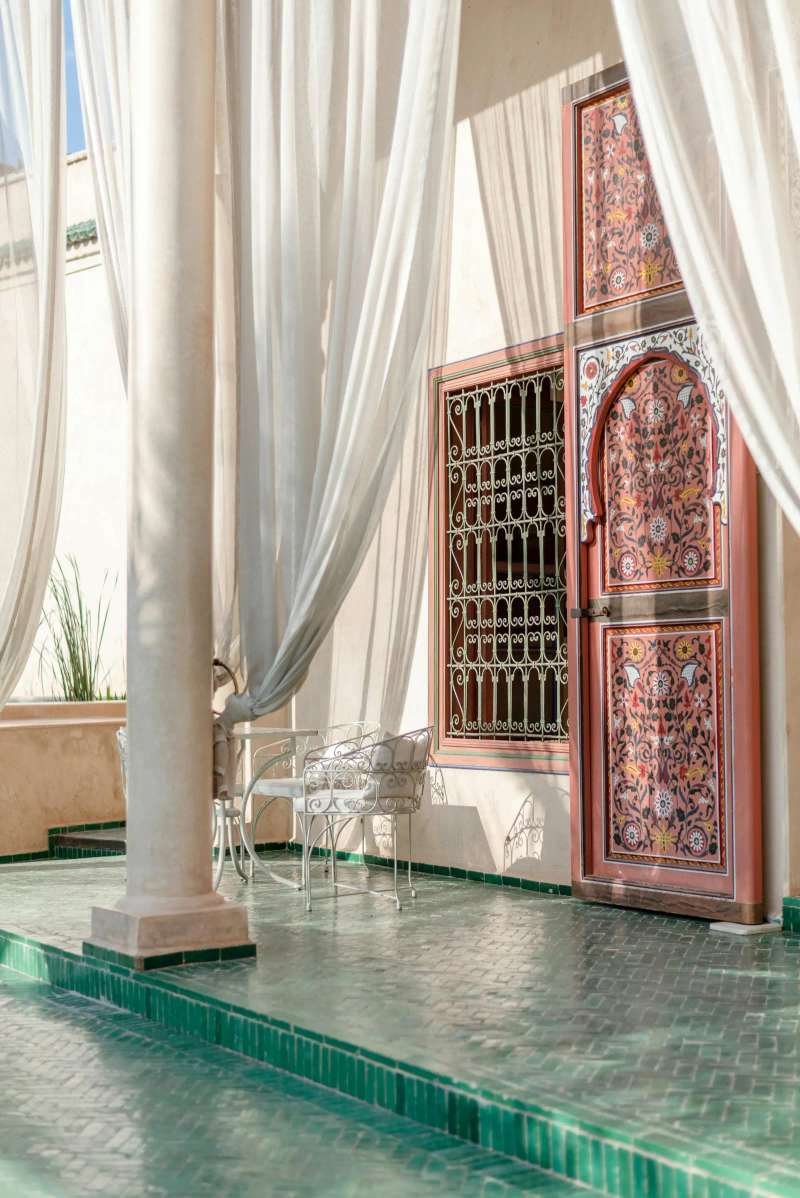
Riad Terraces and Social Spaces: Most riads have rooftop terraces or courtyards with seating. Tea there is free or nearly free (20-30 dirhams). This provides break space and social time without cafe costs.
The view from many riad terraces exceeds what cafes provide. You're above medina crowds with skyline views. The tea is good. The seating is comfortable. The cost is minimal.
Budget Ranges for Common Trip Types
Realistic daily per-person costs for different trip structures:
10-Day Budget Independent Trip: $50-80 per day = $500-800 total
- Hostels/basic hotels
- Public transport
- Street food with some restaurants
- Self-guided exploration
- Minimal organized activities
10-Day Mid-Range Semi-Organized Trip: $150-250 per day = $1,500-2,500 total
- Comfortable hotels/modest riads
- Mix of public transport and private transfers
- Restaurant meals
- Some guided activities
- Mix of independence and organization
10-Day Curated Private Trip: $400-800 per day = $4,000-8,000 total
- Boutique riads/excellent hotels
- Private drivers throughout
- Curated dining and experiences
- Expert guides for activities
- Comprehensive logistics management
These ranges are per person and assume double occupancy for accommodations. Solo travelers add 30-50% to accommodation costs. Groups of 4-6 reduce per-person costs by 15-25%.
The Real Question: Value Versus Cost
The cheapest option isn't always best value. The most expensive isn't always best either. Value is the relationship between cost and what you receive.
A honeymoon trip benefits from elevated accommodation and reduced logistics stress. The investment in quality creates the atmosphere and experience that makes the trip special.
A family trip benefits from private transportation and pace flexibility. The premium over public transport is justified by reduced stress with children and ability to adjust timing based on needs.
A cultural focus trip benefits from expert guides and workshop access. The cost of quality instruction and connections to artisans provides learning that self-guided exploration doesn't deliver.
Budget travel works when you have time flexibility, comfort with uncertainty, and interest in that mode of exploration. Mid-range works when you want balance. Private travel works when quality, efficiency, and reduced friction are priorities.
None is universally correct. They serve different travelers with different resources and goals.
Practical Money Matters
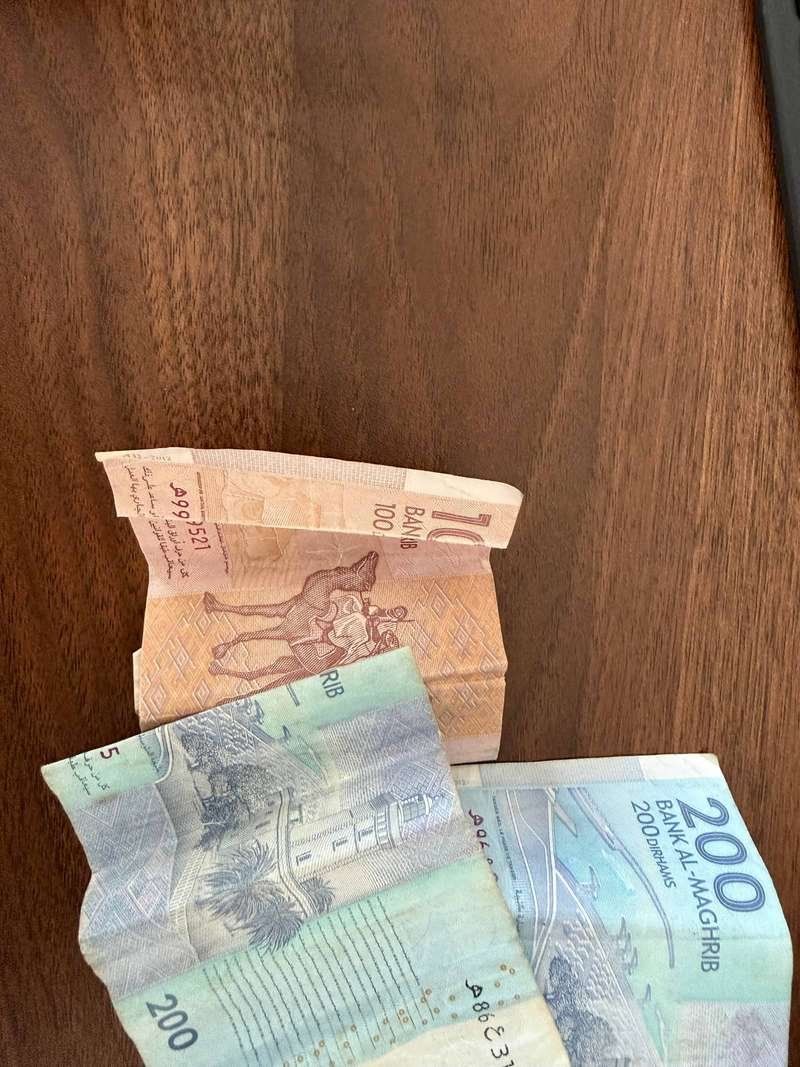
Currency: Moroccan dirham (MAD) only. Exchange at airports, banks, ATMs. Current rate ~10 MAD per USD, 11 MAD per EUR.
Cash vs cards: Many riads/restaurants accept cards. Medina shops, taxis, street vendors require cash. Carry mix. Notify bank before traveling.
Tipping guidelines: Riad staff 50-100 MAD total at trip end, restaurant servers 10-15%, petit taxis round up, private drivers 100-200 MAD/day, guides 150-250 MAD/day. Adjust based on service quality.
Quick Budget Reference
Want detailed pricing for your specific Morocco itinerary? We provide transparent cost breakdowns so you can make informed decisions about your trip investment.