When to Visit Morocco: A Season-by-Season Travel Guide
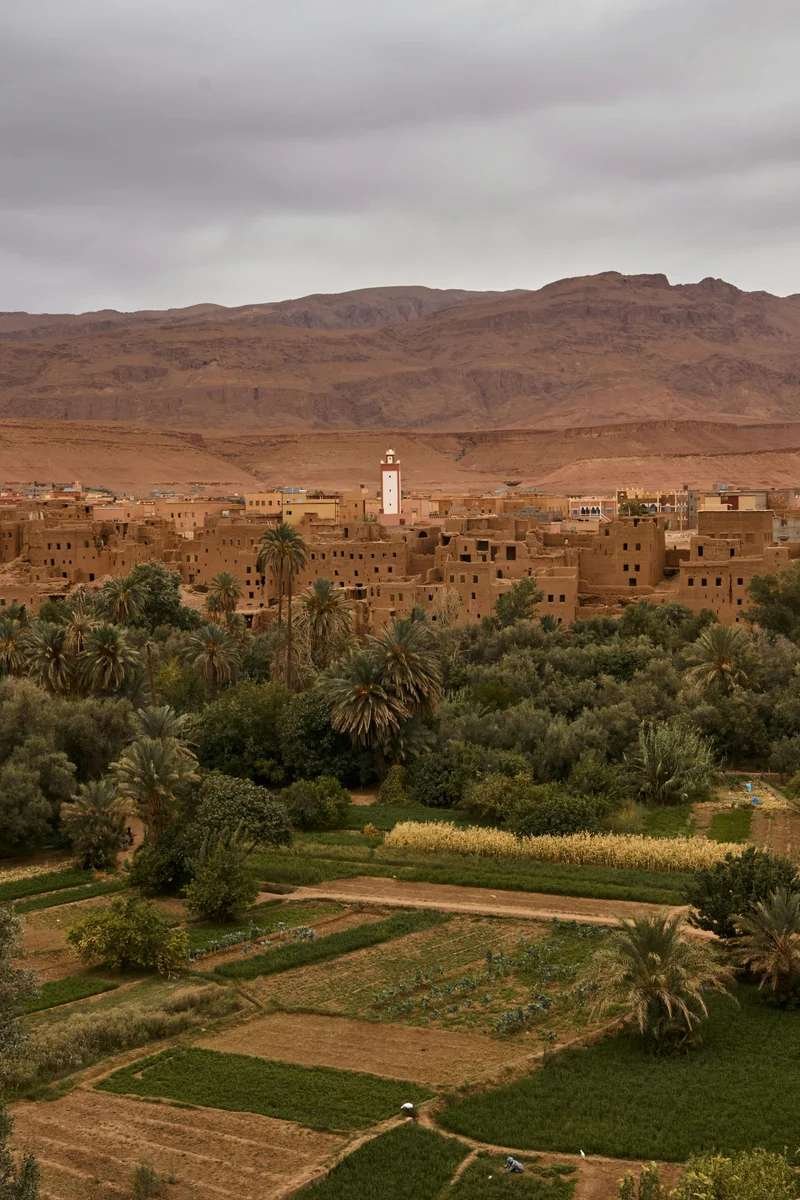
The "best time to visit Morocco" question gets asked constantly, and the internet will tell you April or October without much nuance. But Morocco spans from Mediterranean coast to Sahara desert, from sea-level ports to 4,000-meter Atlas peaks. Timing matters more here than most places - and the right answer depends entirely on where you're going and what you want to do.
Here's what the seasons actually mean across Morocco's different regions, and how to match timing to your trip. If you're planning your first visit, understanding these seasonal rhythms is essential. Timing affects your travel costs and determines what you'll need to pack.
Travel Guide At a Glance
Why Morocco's Timing Is More Complex Than You Think
Most travel guides treat Morocco as a single climate zone. It's not. You can be skiing in the Atlas while people sunbathe on the Atlantic coast. The Sahara operates on completely different temperature rhythms than the imperial cities. And the timing that's perfect for hiking becomes brutally hot for medina wandering.
This matters because most trips combine regions - Marrakech and the Sahara, or Fes and the Atlas. What works for one part of your itinerary might be uncomfortable for another. The skill is knowing these trade-offs and planning accordingly.
Spring
March – May
Best for: Imperial cities, Atlas hiking, wildflowers
Temperature: 15-30°C (59-86°F)
Crowd Level: High (peak season)
Why visit: Perfect weather balance, blooming landscapes, comfortable desert nights
Summer
June – August
Best for: Atlantic coast, Atlas mountains, beach time
Temperature: 25-45°C (77-113°F)
Crowd Level: Medium (European holidays)
Why visit: Cool mountain escapes, finally warm beaches, fewer tourists in cities
Fall
September – November
Best for: Everything – most versatile season
Temperature: 15-30°C (59-86°F)
Crowd Level: Medium to Low
Why visit: Harvest season, golden light, comfortable everywhere, fewer crowds than spring
Winter
December – February
Best for: Sahara desert, solitude, budget travel
Temperature: 5-22°C (41-72°F)
Crowd Level: Low (except holidays)
Why visit: Peak desert season, clear skies, empty medinas, authentic experiences
Spring: Morocco's First Golden Window (March-May)
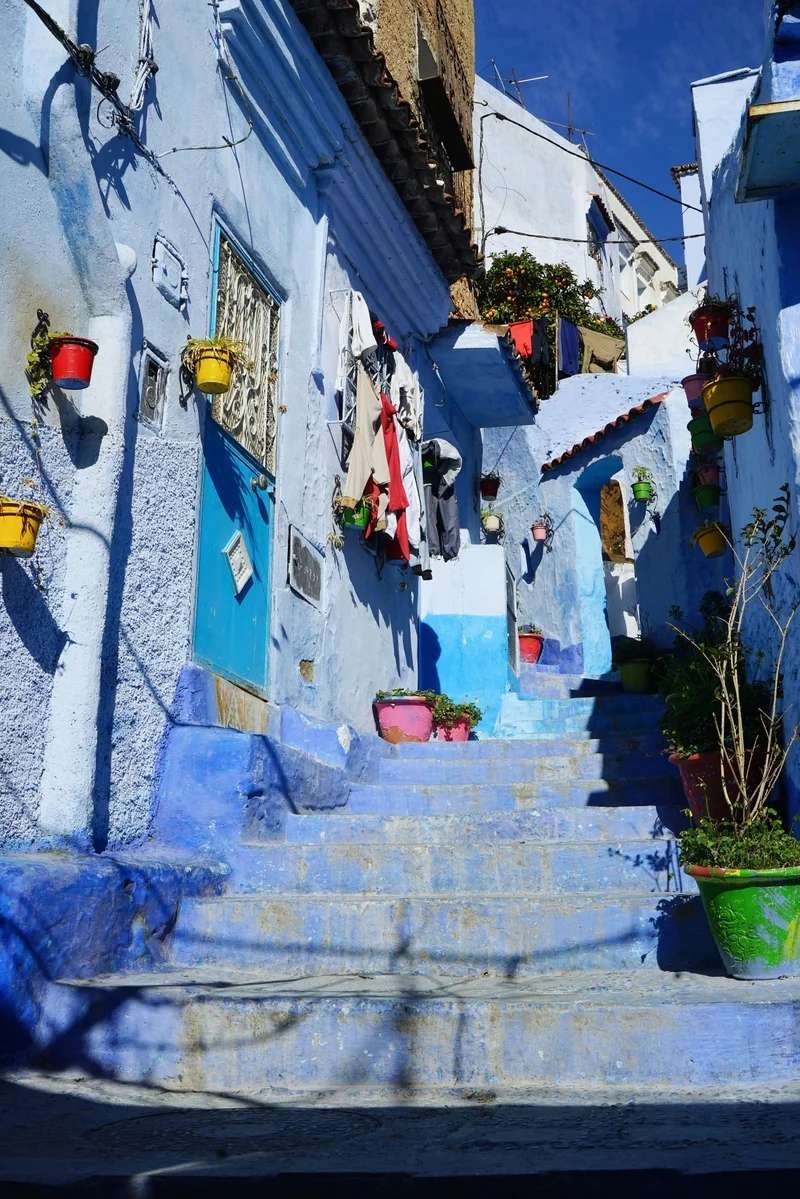
What Spring Actually Feels Like
Spring in Morocco is legitimately beautiful. Wildflowers carpet the Atlas foothills in April. The imperial cities sit in that sweet spot between winter cool and summer heat. The Sahara warms to comfortable daytime temperatures while nights stay cool enough for good sleep under desert stars.
March starts cool - you'll want layers in the morning, especially in the mountains. By May, cities push toward summer heat (Marrakech can hit 30°C/86°F by late May), but it's still manageable. The Atlantic coast remains cool throughout spring, often foggy in the mornings.
Where Spring Works Best
Imperial Cities: Perfect. Marrakech, Fes, Meknes, and Rabat are all comfortable for walking medinas and exploring souks. You can spend full days outside without heat exhaustion.
Atlas Mountains: Peak season. April and May bring wildflower blooms, waterfalls at full flow from snowmelt, and hiking conditions that rival anywhere in the world. If you're considering Atlas hiking, spring is your window.
Sahara Desert: Good to excellent. Daytime temps are warm but not scorching (25-30°C/77-86°F). Nights cool down pleasantly. Photography light is spectacular. The only consideration: occasional spring winds can kick up sand. Learn more about desert experiences.
Atlantic Coast: Still cool and often foggy. If you're beach-focused, spring isn't your season. But for exploring coastal towns like Essaouira without summer crowds, it works.
Spring Considerations
Peak Season Planning
The catch with spring - especially April - is that it's peak season. Accommodation prices rise. Popular riads book early. The Sahara camps fill up. If you're planning spring travel, book at least 3-4 months ahead, longer for honeymoons or specific properties.
Easter week and European spring breaks bring crowds. If you can travel the first two weeks of April or any time in May (avoiding local holidays), you'll have slightly more space.
Summer: The Season Everyone Warns You About (June-August)
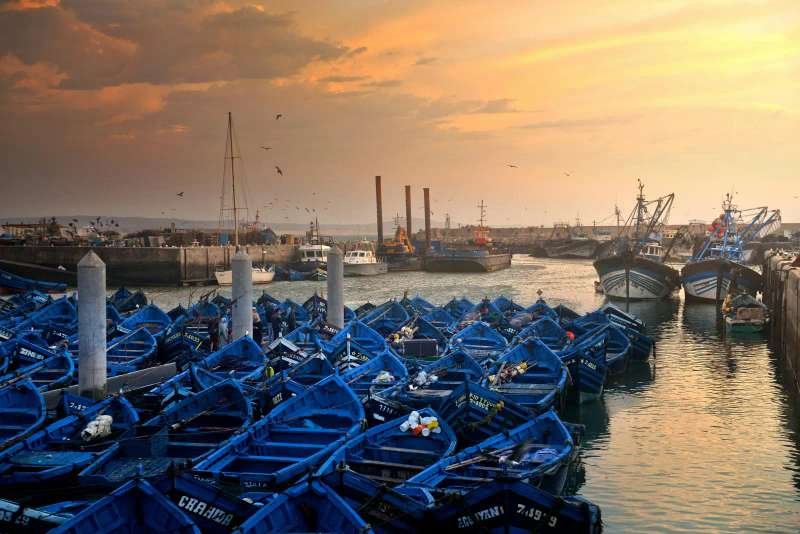
The Reality of Moroccan Summer
Summer gets a bad reputation, and in the inland cities, it's earned. Marrakech in July can hit 40°C/104°F. Fes bakes. Walking medinas at midday becomes an endurance test rather than a pleasure. The Sahara is genuinely too hot - daytime temperatures can reach 45-50°C/113-122°F.
But here's what the "avoid summer" advice misses: Morocco offers geographical escapes from heat. The Atlas Mountains are a cool refuge. The Atlantic coast finally warms up enough for beach time. And if you structure your days right - mornings and evenings out, midday breaks at accommodations with pools - summer cities can work.
Where Summer Actually Works
Atlas Mountains: Excellent. High elevations mean comfortable temperatures (20-25°C/68-77°F) while cities roast below. This is when Moroccan families escape to the mountains. Longer daylight hours mean extended hiking time. Mountain lodges come alive.
Atlantic Coast: Finally beach season. Essaouira, Oualidia, and other coastal towns reach pleasant temperatures. Water stays cool (Atlantic ocean), but beaches are beautiful. Wind patterns make Essaouira popular with surfers and kitesurfers.
Imperial Cities: Challenging but manageable with the right approach. Book accommodations with pools. Plan intensive activities for early morning (7-10am) and late afternoon (after 5pm). Spend midday hours resting, reading, taking cooking classes in cool riad kitchens. Evening medina walks are pleasant when temperatures drop.
Sahara Desert: Skip it. Unless you have specific reasons and extreme heat tolerance, the summer Sahara is too hot to enjoy. Most quality desert camps close July-August.
Summer Strategy
Smart Summer Planning
If you're locked into summer travel (school holidays, work schedules), structure your itinerary around elevation and coast. Start or end with Atlantic beaches. Build in Atlas mountain time. Limit city stays to long weekends rather than full weeks. Choose riads and hotels with pools seriously.
And accept afternoon downtime. Fighting the heat is exhausting. Embracing the siesta is much more pleasant.
Fall: Morocco's Second Perfect Window (September-November)
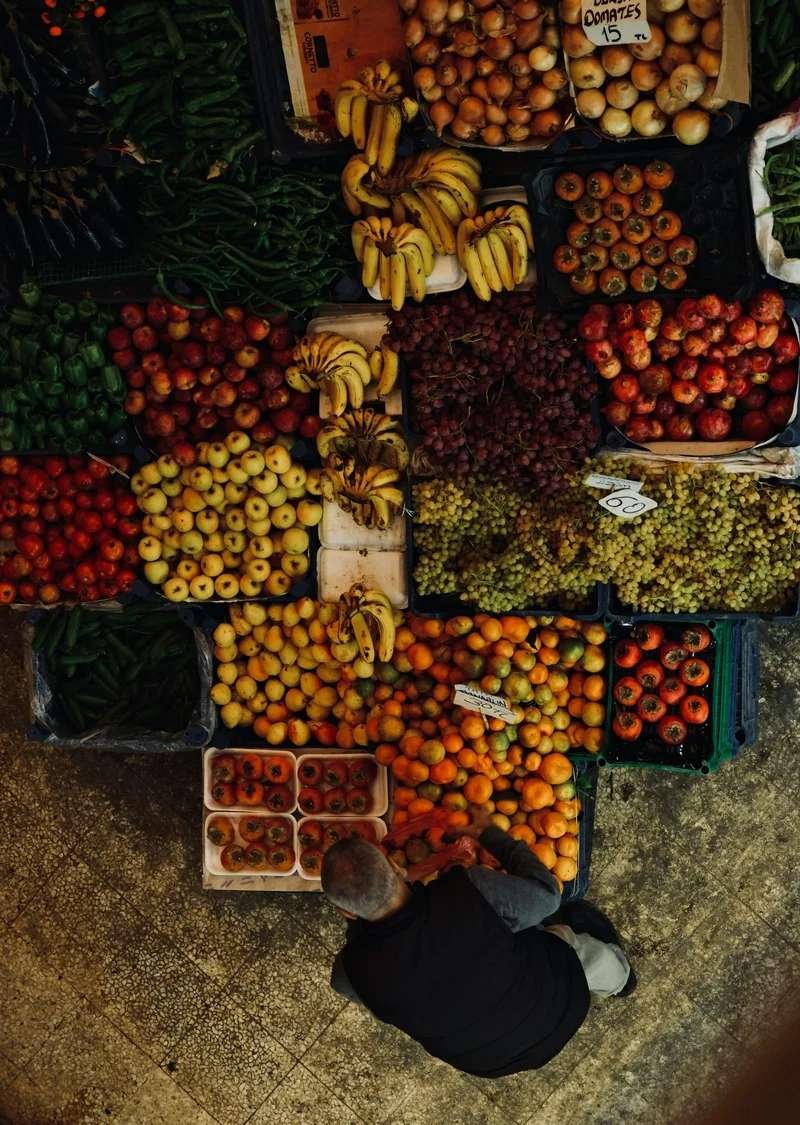
Why Fall Often Edges Out Spring
September through November rivals spring for ideal conditions, with two advantages: fewer crowds in early fall, and you catch harvest seasons - olives, dates, pomegranates. The light changes too. Photographers love fall for the golden quality that comes with lower sun angles.
Early September can still feel like summer in cities, but by mid-September, temperatures moderate. October is nearly perfect across the country. November brings cooler mornings and the first possibility of rain, but it's still excellent for travel.
Where Fall Shines
Everywhere. Fall is the season where you can combine any regions without weather compromise. Cities are comfortable for full-day exploration. The Sahara returns to ideal temperatures. The Atlas remains accessible but starts cooling (pack layers for higher elevations in November). Even the coast stays pleasant through October.
Harvest Experiences: Fall opens up experiences tied to Morocco's agricultural calendar. Olive harvest in the Atlas foothills. Date harvest in desert oases. Pomegranate season in gardens. If you're interested in food and farming culture, fall delivers.
Fall Considerations
The Fall Sweet Spot
Early October hits another peak season moment as Europeans escape to warm weather. Prices rise again, though not quite to April levels. November sees fewer tourists, more rain possibility (especially northern Morocco), and the first properly cold nights in the desert.
If you're planning fall travel, the sweet spot is late September through mid-October - after summer heat, before peak October crowds, and before November weather uncertainty.
Winter: The Season Everyone Underestimates (December-February)
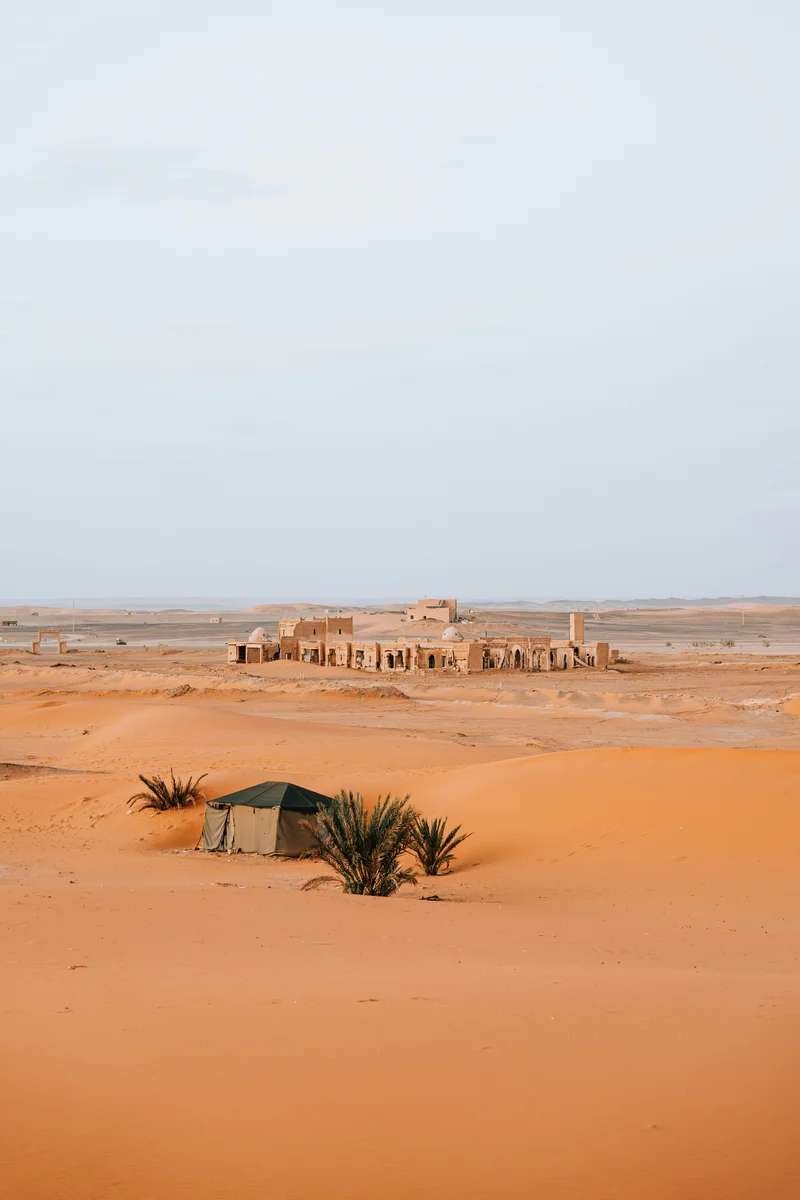
What Winter Actually Means
Winter surprises people. Most assume Morocco stays warm year-round. It doesn't. The Atlas gets snow - enough for skiing at Oukaimeden. Desert nights drop to freezing. Coastal cities get rain. Marrakech and Fes have legitimately cold mornings (5-10°C/41-50°F).
But here's the thing: winter is the Sahara's best season. Crisp, clear days with comfortable temperatures (18-22°C/64-72°F). Spectacular night skies. Campfires that feel necessary rather than decorative. And minimal tourists.
Where Winter Works
Sahara Desert: Peak season. Winter gives you the desert at its most hospitable. Days are warm enough to enjoy, nights cool enough to appreciate blankets and fires. Stars are unbelievable in cold, dry winter air. This is when the desert becomes magical rather than just hot.
Imperial Cities: Good with layers. Days warm up nicely (15-20°C/59-68°F), but mornings and evenings require jackets. Riads can feel cold - check if yours has heating. But cities are much less crowded in winter, and you'll have major sites more to yourself.
Atlas Mountains: For experienced winter hikers with proper gear, spectacular. For most travelers, too cold and potentially snowy for comfort. But if you're interested in seeing snow-capped peaks and traditional Berber winter life, it's fascinating.
Atlantic Coast: Cool and rainy. Skip beach plans, but winter light on coastal architecture is beautiful for photography.
Winter Considerations
The main winter challenge is accommodation heating. Many riads don't have central heat (traditional architecture, thick walls). Some have fireplaces or space heaters, but you'll want to verify this when booking. Sleeping bags can actually be useful in desert camps - even luxury ones can get cold at night.
December sees Christmas holiday bookings, especially for families. January and February are genuinely quiet - great for travelers who prefer solitude, but verify that your planned accommodations and restaurants are actually open.
Timing by Activity: Matching Your Interests to Seasons
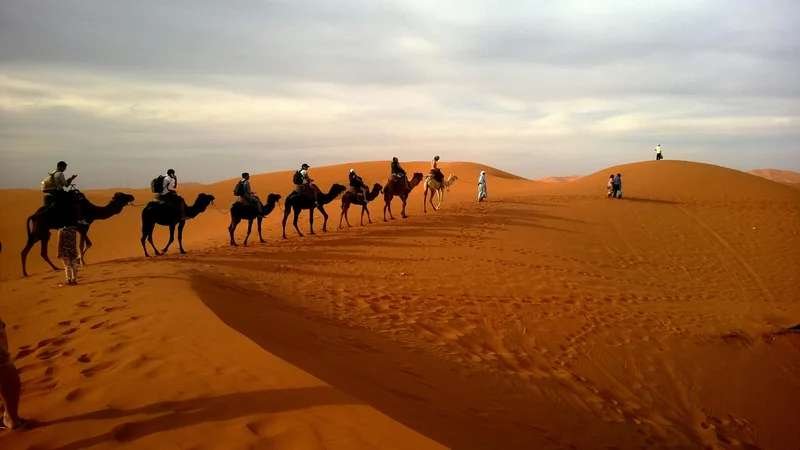
Hiking and Trekking
Best: April-May and September-October Possible: March and November (cooler, higher elevations may have snow) Avoid: June-August in low elevations (too hot), December-February at high elevations (snow, cold)
The Atlas offers Morocco's premier hiking. Spring wildflowers and full waterfalls give April and May slight edge, but fall's stable weather makes September and October equally excellent. Multi-day treks need the stable weather that spring and fall provide.
Photography
Best: March-April and October-November Reason: Lower sun angle creates better light quality. Spring flowers add color. Fall harvests add agricultural interest. Softer shadows than summer's harsh overhead sun.
Winter also offers photographic opportunities if you're after dramatic weather, snow-capped mountains, or moody coastal scenes. Summer's intense light can be challenging for photography, though sunrise and sunset remain golden.
Cultural Festivals and Events
Morocco's festival calendar doesn't align neatly with ideal weather seasons:
- Marrakech International Film Festival: December (cool but festive)
- Essaouira Gnaoua Music Festival: June (coast is pleasant, city is hot)
- Fes Festival of World Sacred Music: June (hot, but mornings and evenings work)
- Rose Festival (Kelaat M'Gouna): May (perfect timing)
- Date Festival (Erfoud): October (perfect timing)
If you're building a trip around a specific festival, you're often locked into that timing. Structure your itinerary to work with the weather realities of that season.
Family Travel with Kids
Best: April, October, and July-August Why: Spring and fall give ideal weather. Summer works if you incorporate Atlas mountains and/or Atlantic coast for heat relief and kids enjoy pool time during hot midday hours.
Avoid: November-March with young kids. Cold accommodation without heating, cold desert nights, and the possibility of rain make family logistics harder. School holidays usually push families to summer regardless - just build in appropriate heat escapes.
Honeymoons and Romantic Travel
Best: April-May and September-October Why: Perfect weather for both adventure and relaxation. Romantic desert camps are comfortable at night. Riad plunge pools are pleasant in warm weather. Sunset views everywhere are spectacular.
Fall edges slightly ahead for honeymoons - fewer crowds than spring, harvest season romance, and excellent weather stability. If you're planning a post-wedding Morocco honeymoon, aim for late September through mid-October.
Regional Timing Deep Dive
Marrakech and the High Atlas
The combination most travelers choose. Here's how seasons play out:
Spring (March-May): Marrakech comfortable for exploration, Atlas perfect for hiking. Best overall combination season.
Summer (June-August): Marrakech hot, but Atlas offers cool escape. Structure days to be in city early/late, mountains midday.
Fall (September-November): Excellent for both. October is peak perfection.
Winter (December-February): Marrakech cold mornings but pleasant days. Atlas snowy and cold, beautiful but limited access. Snow can close mountain passes, affecting road conditions and transportation options. See our transportation guide for details on seasonal driving considerations in winter months.
If you're doing this classic combination, spring and fall are clearly best. Summer requires Atlas to balance city heat. Winter limits Atlas access but gives you quiet, less crowded Marrakech.
Fes and the North
Slightly cooler than Marrakech, more rain in winter.
Spring: Perfect for Fes medina exploration. Chefchaouen in the Rif mountains is ideal.
Summer: Hot but less brutal than Marrakech. More tolerable for multi-day city stays.
Fall: Excellent. Harvest season in surrounding agricultural regions.
Winter: Cool and rainy. Museums and covered spaces become more appealing than outdoor exploration.
Sahara and Desert Oases
Operates on different rhythms than the rest of Morocco.
Spring: Good to excellent. Watch for occasional wind.
Summer: Too hot. Skip it.
Fall: Excellent. October-November perfect.
Winter: Peak season. The only time to experience the Sahara without punishing heat.
If your trip centers on the desert experience, winter (December-February) is actually your best season, contrary to general Morocco advice.
Atlantic Coast
Cool year-round because of ocean influence.
Spring: Cool, often foggy. Good for exploring towns, not beaches.
Summer: Finally warm enough for beach time. Peak coastal season.
Fall: Pleasant through October, cools in November.
Winter: Cold, wet, and windy. Skip beaches, but cities like Essaouira have moody charm.
Beach-focused travelers need July-September. Town-exploring travelers can visit coast any time except winter.
Making Your Timing Decision: Questions to Ask
Rather than defaulting to "April or October," work through these questions:
What regions are essential to your trip? Sahara-focused? Winter is best. Atlas hiking? Spring and fall. Beach component? Summer only.
What's your heat tolerance? High tolerance opens up summer travel structured around mountains and coast. Low tolerance means spring and fall only.
Can you travel during shoulder seasons? If yes, you get better weather, lower prices, fewer crowds. If you're locked to peak summer or winter holidays, structure your itinerary differently.
How much flexibility do you have? If you can shift by a few weeks, you can dodge peak season pricing while keeping good weather. Late September instead of early October. Early May instead of April.
What experiences matter most? Hiking? Spring and fall. Photography? Lower sun angles of spring and fall. Cultural immersion? Any season works. Desert experience? Winter.
The Honest Truth About "Perfect" Timing
There's no single perfect time for every Morocco trip. The "April and October" advice works because those months balance the most regions and activities. But they're also peak season - more expensive, more crowded, requiring earlier booking.
Your perfect timing depends on what you want to do, where you want to go, and what trade-offs you're willing to make. Summer can be excellent if you build elevation and coast into your route. Winter gives you the desert at its best and cities without crowds. Spring and fall balance everything but cost more and require advance planning.
The key is understanding these seasonal realities rather than defaulting to generic advice.
Ready to Plan Your Morocco Timing?
Once you know when you want to travel, we can build an itinerary that makes the most of that season - balancing regions, pacing activities to work with weather, and choosing accommodations that match seasonal needs.
Whether you're planning a honeymoon journey, family adventure, or cultural deep dive, we can structure your trip to work with Morocco's seasonal rhythms rather than against them.
Start planning your Morocco journey →
Quick Reference: Morocco Timing at a Glance
Remember
These are guidelines, not rules. Your ideal timing depends on your specific trip composition, priorities, and tolerance for weather trade-offs.