Morocco's Regional Diversity: From Mountains to Desert
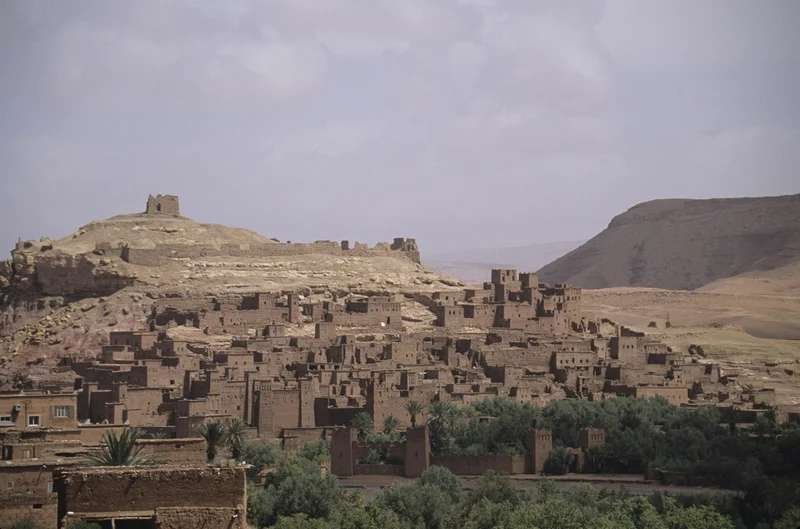
Morocco compresses remarkable geographic diversity into roughly the size of California. You can stand in snow in the Atlas Mountains, drive eight hours, and sleep under stars in the Sahara. The Mediterranean coast has different weather, vegetation, and architecture than the Atlantic. The imperial cities exist in different climate zones despite being only a country apart.
Understanding these regions helps you build itineraries that show meaningful contrasts rather than repetitive experiences. It also clarifies what's realistic within your available time.
Regional Diversity At a Glance
The Four Geographic Zones
Morocco divides into distinct regions with different climates, landscapes, and cultural characteristics.
The Northern Arc (Rif Mountains and Mediterranean Coast): Green, mountainous, Mediterranean climate. This is Morocco's wet zone, receiving significant winter rainfall. The Rif Mountains rise steeply from the Mediterranean, creating dramatic topography.
The cultural influence is distinct. Spanish and Portuguese colonial history is more visible here than in southern regions. The architecture, food, and pace differ from imperial city Morocco.
Most first-time itineraries skip this region. It requires dedicated time and doesn't integrate easily with the classic Marrakech-Fes-Sahara route. This makes it interesting for return visits or travelers who want less-traveled Morocco.
The Imperial Cities Belt (Central Plateau): Marrakech, Fes, Meknes, and Rabat occupy Morocco's central regions at varying elevations. These are urban Morocco, where most historical monuments, developed tourism infrastructure, and dense medinas exist.
Climate varies by city. Marrakech sits at 450 meters elevation with hot summers. Fes is at 410 meters but slightly cooler due to northern latitude. Meknes and Rabat have more moderate temperatures year-round.
This belt contains Morocco's densest concentration of cultural sites. Most itineraries center here because the access, accommodations, and experiences are well-developed.
The Atlas Mountain System (High, Middle, and Anti-Atlas): Three mountain ranges cross Morocco roughly southwest to northeast. The High Atlas is most prominent, with peaks exceeding 4,000 meters including North Africa's highest point, Jebel Toubkal at 4,167 meters.
These aren't tourist mountains like Alps with ski lifts and developed resorts. They're working landscapes where Berber villages practice terrace agriculture and transhumance herding. Tourism exists but remains relatively undeveloped.
The mountains create Morocco's weather systems. They catch Atlantic moisture on western slopes, creating a rain shadow that makes eastern Morocco arid. They're not obstacles to cross but destinations themselves.
The Desert and Pre-Saharan Zones (South and Southeast): Morocco's southern and southeastern regions transition from semi-arid to full desert. The landscape progresses through distinct stages: green valleys with kasbahs, rocky hamada plateaus, oasis systems along ancient caravan routes, finally reaching the Sahara's sand dunes.
This zone is hot in summer (regularly exceeding 45°C), pleasant in winter, and experiences extreme temperature swings between day and night. The architecture adapts accordingly: thick earthen walls, small windows, interior courtyards.
The drive from Marrakech toward the Sahara showcases this geographic transition better than any description. You watch the landscape change kilometer by kilometer.
Imperial Cities: How Many and Which Ones
The four imperial cities (Marrakech, Fes, Meknes, Rabat) each served as Morocco's capital during different dynasties. They're not interchangeable despite sharing "imperial city" designation.
Marrakech: Most visited, best tourism infrastructure, closest to Atlas and Sahara access. The medina is large but navigable. The restaurant and accommodation range is broadest. It works as a trip hub.
The atmosphere is energetic and tourist-oriented. This isn't negative, just reality. Marrakech handles millions of annual visitors and has adapted accordingly. You get efficiency and variety at the cost of some authenticity.
Most itineraries include Marrakech because it functions well as arrival city, Atlas access point, and starting point for Sahara trips.
Fes: Morocco's spiritual and intellectual capital. The medina is largest and most complex. Craft traditions remain strongest here. The tanneries, metalwork quarters, and woodcarving workshops operate at scale using centuries-old methods. Regional cooking styles differ significantly. Moroccan cooking classes in Fes focus on traditional techniques preserved through generations.
Fes feels less tourist-accommodating than Marrakech. Navigation is genuinely difficult. English is less common. The city maintains its identity as working Moroccan city first, tourist destination second.
Trips focused on cultural depth typically prioritize Fes over other cities. The trade-off is accessibility and comfort versus authenticity and preservation.
Imperial City Reality Check
Ten-day trips: Typically include two imperial cities (usually Marrakech and Fes). You're choosing depth over breadth.
Fourteen-day trips: Might add Meknes. Rabat requires specific interest or extended time.
Trying to see all four: Creates exhaustion without adding proportional value. After three imperial cities, the fourth feels repetitive unless you have architectural or historical interests requiring comprehensive coverage.
Meknes: Often described as "smaller, calmer Fes." This undersells Meknes but captures something true. The imperial monuments are significant (Moulay Ismail's massive palace complex). The medina is manageable. Tourism pressure is lower.
Meknes works well for travelers who found Marrakech too intense or want to see imperial architecture without Fes's navigation challenges. It's also the access point for Volubilis Roman ruins nearby.
Most itineraries skip Meknes or include it as a day trip from Fes. This is reasonable given time constraints, though Meknes deserves more than it typically receives.
Rabat: The current capital and most modern imperial city. Government presence means better infrastructure, cleaner streets, and more contemporary energy than other imperial cities.
The medina is small and easily navigable. The Hassan Tower and Mohammed V Mausoleum are architecturally significant. The Kasbah des Oudaias overlooks the Atlantic.
Most travelers skip Rabat because it lacks the dramatic character of Marrakech or Fes. This is fair assessment. Rabat is pleasant and functional rather than exciting. It works for travelers who want urban Morocco without intensity.
Mountain Regions: Three Different Ranges
Morocco's mountain systems create distinct experiences despite all being called "Atlas."
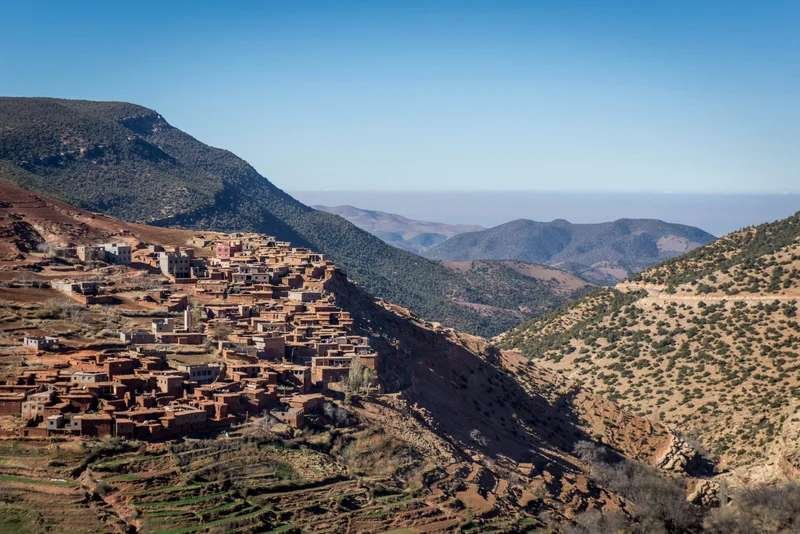
High Atlas: Most accessible and visited. These mountains separate Marrakech from the Sahara. The Tizi n'Tichka pass crosses at 2,260 meters elevation, providing stunning views.
Imlil village serves as base for Toubkal treks. The Ourika Valley offers day-trip access from Marrakech. Ait Benhaddou, technically pre-Saharan but at Atlas edge, appears in countless films for its dramatic kasbah architecture.
The High Atlas works for various trip types. Family itineraries can include valley day trips. Serious hikers can do multi-day treks. Honeymoon trips might include mountain lodge stays for geographic variety.
Middle Atlas: Less dramatic but equally interesting. These mountains sit between Fes and Marrakech, covered partially in cedar forests. The climate is cooler and wetter than surrounding regions.
Ifrane is famous as Morocco's anomaly: a French-colonial planned town that resembles Swiss alpine villages, complete with pitched roofs and street landscaping. Nearby Azrou has Barbary macaque populations in cedar forests.
Most travelers experience the Middle Atlas as drive-through landscape between cities. Some itineraries include overnight stops in Ifrane or nearby. The region works well in spring when wildflowers bloom or summer when temperatures make it an escape from plains heat.
Anti-Atlas: Southern range between High Atlas and Sahara. Lower elevation, more arid, less visited. The landscape is dramatic in a harsh way: rock formations, occasional oases, traditional Berber villages.
The Anti-Atlas requires dedicated routing. You can't see it incidentally while moving between major destinations. Trips focused on deep cultural experiences sometimes route through Anti-Atlas villages to engage with Berber communities less affected by tourism.
Desert and Oasis Valleys
The journey matters as much as the destination in Morocco's desert regions.
The Desert Route Reality
From Marrakech to Merzouga: 8-9 hours driving with stops. This isn't wasted transit. It's the experience.
The landscape evolution tells the story: Alpine conditions at high pass → green valleys with kasbahs → rocky gorges → pre-desert hamada plateaus → sand dunes.
Many travelers want to 'get to the desert' quickly. This misses how Moroccan geography actually works. The transition contains the story.
The Route: From Marrakech, the common route crosses Tizi n'Tichka pass, descends to Ouarzazate, continues through the Dadès Valley or Rose Valley, passes through Todra Gorge, and reaches Merzouga or M'Hamid at desert edge. This is 8-9 hours driving with stops.
The landscape evolution is the experience. You watch: Alpine conditions at high pass. Green valleys with kasbahs and cultivation. Rocky gorges where rivers cut through. Pre-desert hamada plateaus. Finally, sand dunes.
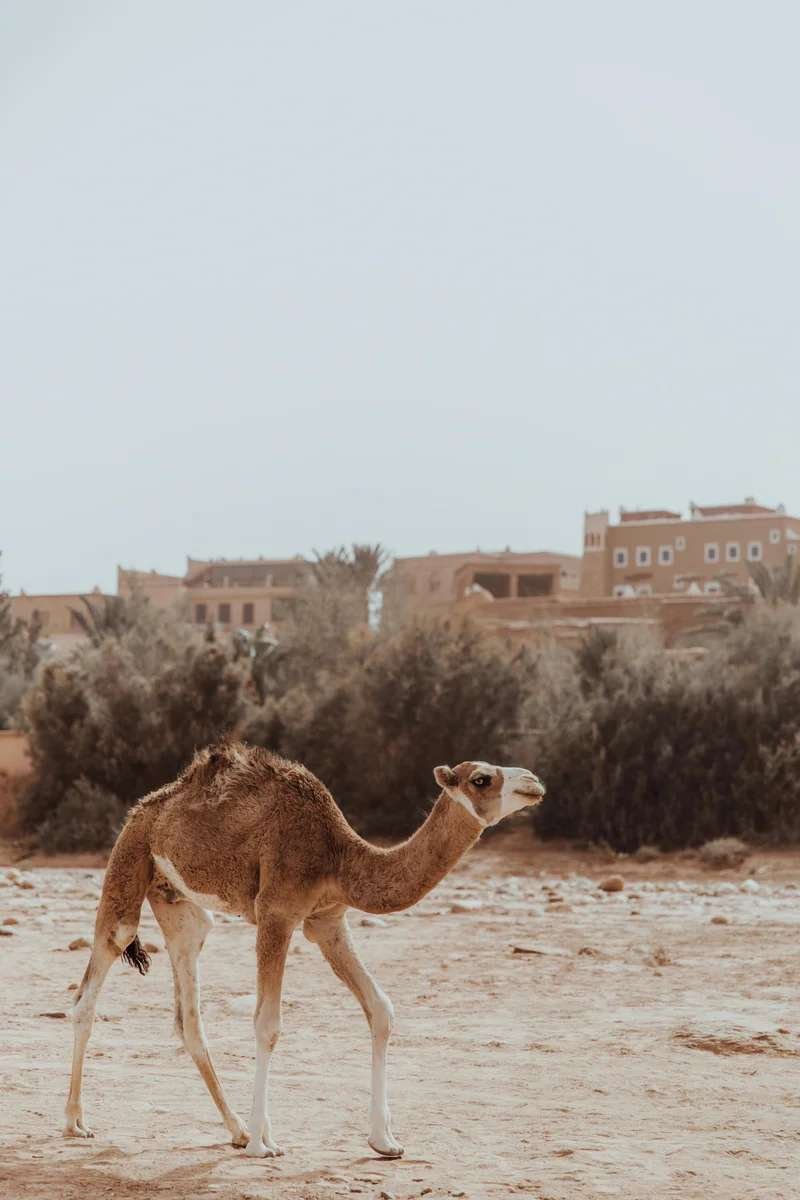
Oasis Valleys: The Dadès and Drâa valleys follow rivers creating green ribbons through arid landscape. Date palms, kasbahs, small villages, and agriculture exist where water allows. Step away from the water and you're immediately in desert.
These valleys showcase traditional water management systems (khettaras) developed over centuries. The architecture is adapted to extreme heat: thick earthen walls, small windows, flat roofs.
Good itineraries allocate time here beyond mere passage. Walking in the Dadès Gorge. Visiting a kasbah village. Understanding how oasis agriculture functions. This context makes the final desert arrival more meaningful.
The Sahara Experience: Morocco's Sahara is primarily the western edge of the great desert. The dramatic dune formations (ergs) appear at specific locations: Erg Chebbi near Merzouga and Erg Chigaga near M'Hamid.
These aren't vast dune seas extending forever. They're substantial (Erg Chebbi reaches 150 meters height) but geographically limited. You're at desert edge where sand accumulation meets rocky hamada.
The experience still delivers. Sunset over dunes. Night stars without light pollution. Sunrise creating shadows that reveal dune contours. The silence. The scale. It works because these are real sand dunes in actual desert, not because they're the deepest Sahara.
Coastal Morocco: Two Different Seas
Morocco's 1,800 kilometers of coastline divides into Atlantic and Mediterranean sectors with distinct characters.
Atlantic Coast: Runs from Tangier south to Western Sahara. The water is cool year-round (17-22°C). The wind is constant, particularly around Essaouira. The beaches are long and sandy.
The coast works for surf, kitesurfing, wind sports, and walking more than swimming. Family trips incorporating beach time usually head to the Atlantic for accessible infrastructure and manageable waves.
Major towns (Essaouira, Oualidia, Agadir, Asilah) each have different character. Essaouira is artistic and windy. Oualidia is calm lagoon swimming. Agadir is resort development. Asilah is whitewashed and quiet.
The Atlantic integrates well into larger itineraries as breathing space between imperial city intensity and desert camping.
Mediterranean Coast: The northern coast from Tangier to Algerian border. The water is warmer. The landscape is greener. The cultural influence shows more Spanish and European character.
Chefchaouen, while technically in Rif Mountains not on coast, belongs conceptually to northern Morocco. The blue-washed medina and mountain setting create different atmosphere from southern cities.
This region requires dedicated routing. You can't casually add it to Marrakech-Fes-Sahara trips without significant additional time. It works for second Morocco trips or travelers specifically interested in northern Morocco.
Building Itineraries: The Reality of Distance
Morocco's size surprises people. Distances between major points require real time.
Key Journey Times & Trip Length Reality
Essential Distances:
- Marrakech to Fes: 7-8 hours by car, 4 hours by train
- Marrakech to Merzouga (Sahara): 8-9 hours by car
- Fes to Merzouga: 7-8 hours by car
- Marrakech to Essaouira: 3 hours by car
- Tangier to Marrakech: 6-7 hours by car or train
7-day trip: Two cities + brief desert OR two cities + coast (choosing 2 regions)
10-14 day trip: Three cities OR two cities + substantial desert + mountain/coast component
3+ weeks: Comprehensive touring with depth (multiple cities, extended desert, mountains, coast)
Key Journey Times:
- Marrakech to Fes: 7-8 hours by car, 4 hours by train
- Marrakech to Merzouga (Sahara): 8-9 hours by car
- Fes to Merzouga: 7-8 hours by car
- Marrakech to Essaouira: 3 hours by car
- Tangier to Marrakech: 6-7 hours by car or train
These times assume good conditions and minimal stops. Add time for breaks, meals, and photo stops. Count these as full-day transitions, not half-day drives.
The Time Budget Reality: A seven-day trip allows roughly:
- Two days in one city
- Two days in another city
- One day traveling to/from desert with overnight
- One day traveling between cities
- One day buffer for arrival/departure
You're choosing two regions, maybe three if one is a brief stop. You're not seeing everything.
Ten to Fourteen Days: This timeline allows:
- Three cities or two cities plus substantial desert time
- Mountain component (day trips or overnight)
- Coastal component (two-three nights)
- Geographic variety without constant movement
The Morocco Detour approach typically uses 10-14 day timeframes to show meaningful contrasts: imperial cities, Atlas mountains, desert, and possibly coast.
Hub-and-Spoke Versus Linear Routes
Two main approaches to routing work, depending on time and interests.
Hub-and-Spoke: Base in one city, take day trips or short excursions, return to the same accommodation. This reduces packing/unpacking, allows for deeper city exploration, and works well for travelers who dislike constant movement.
Marrakech serves well as hub. The High Atlas, Essaouira, and Ourika Valley are day-trip accessible. Multi-day Sahara trips can return to the same Marrakech riad.
The limitation is repetition. You're seeing varied geography but returning nightly to similar environment. For some travelers this is comfort. For others it's missed opportunity to stay in mountain kasbahs or desert camps.
Linear Routes: Move through Morocco progressively: Marrakech to Atlas to desert to Fes, or Fes to Chefchaouen to coast to Marrakech. Each night is different accommodation.
This maximizes geographic variety and creates journey narrative. The landscape changes around you. Each region gets experienced on its own terms.
The challenge is logistics. More packing and unpacking. More coordination. Some travelers find this exhausting. Our approach handles logistics seamlessly, which makes linear routing viable without stress.
Hybrid Approaches: Many successful itineraries combine both. Spend three nights in Marrakech with day trips. Travel to desert, spending two nights there. Move to Fes for three nights. Each segment provides stability with strategic movement between regions.
Prioritization Without Guilt
You cannot see everything in one trip. This is mathematical reality, not personal failing.
Accepting Trade-offs
Choosing Sahara means less city time. Choosing multiple cities means less nature immersion. Choosing depth in one region means breadth across multiple regions.
Both approaches create successful trips. The unsuccessful approach is trying to do everything, which creates exhaustion without satisfaction.
Two regions explored properly beat five regions touched briefly. You remember experiences, not checklist completion.
Season-Based Region Selection
Summer (Jun-Aug): Coast and mountains best. Desert dangerously hot (45°C+). Cities hot but bearable early morning/evening.
Winter (Dec-Feb): Desert and cities perfect. Mountains can have snow. Coast too cold for swimming but good for walking.
Spring/Fall (Mar-May, Sep-Nov): All regions accessible. Most flexible timing. Best overall conditions for comprehensive trips.
Choose Based On:
- Season: Summer favors coast and mountains. Winter favors desert and cities. Spring/fall allows flexibility.
- Interests: Cultural focus means cities and craft centers. Nature focus means mountains and desert. Culinary focus means food-rich cities and market access.
- Travel Style: Families need appropriate activities. Honeymoon travelers want romantic settings. Energy levels vary.
- Return Plans: First Morocco trip hits major highlights. Second trip explores regions you skipped.
Accept Trade-offs: Choosing Sahara means less city time. Choosing multiple cities means less nature immersion. Choosing depth in one region means breadth across multiple regions.
Both approaches create successful trips. The unsuccessful approach is trying to do everything, which creates exhaustion without satisfaction.
Regional Combinations That Work
Certain region pairings create natural contrasts.
Imperial Cities + Desert: The classic combination. Marrakech's urban density contrasts with Sahara's emptiness. The sensory overload of souks opposes desert silence. This combination showcases Morocco's extremes.
Most 10-day itineraries follow this pattern: Marrakech (3 nights), travel to desert with Atlas crossing (1 day), desert camp (1-2 nights), return or continue to Fes (1 day), Fes (2-3 nights).
Mountains + Cities: For travelers less interested in desert or warm-weather limited. Combine Marrakech with Atlas trekking or mountain lodge stays. Add Fes for cultural depth. This works particularly well in summer when mountains provide relief from plains heat.
Coast + Interior: Start or end with coastal time (Essaouira typically). Spend middle of trip in cities or desert. The coast provides breathing space before or after intensity. This works well for longer honeymoon itineraries where romance and relaxation balance adventure.
Northern Circuit: Tangier, Chefchaouen, Fes, possibly Meknes. This keeps you in northern Morocco, showing the Mediterranean-influenced regions. Good for second trips or travelers specifically avoiding tourist-heavy routes.
Practical Routing Advice
Some logistical realities help itinerary planning.
Travel Logistics That Matter
Arrival/departure cities: Most international flights use Marrakech or Casablanca. Open-jaw flights (arrive one city, depart another) eliminate backtracking. Arriving Marrakech and departing Fes makes geographic sense.
Train vs car: Trains connect cities efficiently but miss the geography. Car travel takes longer but shows how regions connect. You see Atlas passes, stop at kasbahs, watch landscape transition.
Minimum region time: Cities need 2 full days minimum. Desert needs 2 nights. Mountains need day trips or overnight stays. Coast needs 2-3 nights to be worth routing. Shorter stays feel rushed.
Arrival/Departure Cities: Most international flights use Marrakech or Casablanca. Some routes use Fes or Tangier. Your entry/exit points influence routing.
Open-jaw flights (arrive one city, depart another) eliminate backtracking. Arriving Marrakech and departing Fes makes geographic sense. Arriving and departing the same city requires routing that returns.
Train Versus Car: Trains connect major cities efficiently (Marrakech-Fes, Casablanca-Tangier, Rabat-Fes). They're comfortable and punctual. But trains miss the geography. You're transported between cities without experiencing the landscape.
Car travel (private driver or self-drive) takes longer but shows how regions connect. You see the Atlas passes. You stop at kasbahs. You watch landscape transition. This aligns with our philosophy that the journey itself matters.
Minimum Region Time: Cities need two full days minimum (arrival day, full day, departure morning). Desert needs two nights (one travel day in, one full day there, one travel day out). Mountains need either day trips from cities or overnight stays. Coast needs two-three nights to be worth the routing.
Shorter stays feel rushed and fail to deliver the region's character.
What "Seeing Morocco" Actually Means
Morocco tourism marketing creates impression that comprehensive coverage is standard expectation. This is unrealistic and counterproductive.
Seeing Morocco Well: Means spending adequate time in chosen regions to understand their character. Walking medinas until navigation clicks. Staying in desert long enough to watch stars wheel overhead. Driving mountain passes slowly enough to register landscape changes.
This produces memories and understanding. Racing between highlights produces photos and exhaustion.
Regional Depth: Is more valuable than superficial breadth. Two regions explored properly beat five regions touched briefly. You remember experiences, not checklist completion.
Return Visits: Are normal. Morocco has enough diversity for multiple trips. Your first trip establishes foundation. Subsequent visits explore regions or aspects you skipped.
Quick Regional Planning Reference
Planning your Morocco route and wondering which regions to prioritize? We can help structure an itinerary that shows meaningful contrasts within your available time, without creating exhausting logistics.