Getting Around Morocco: Your Transportation Options
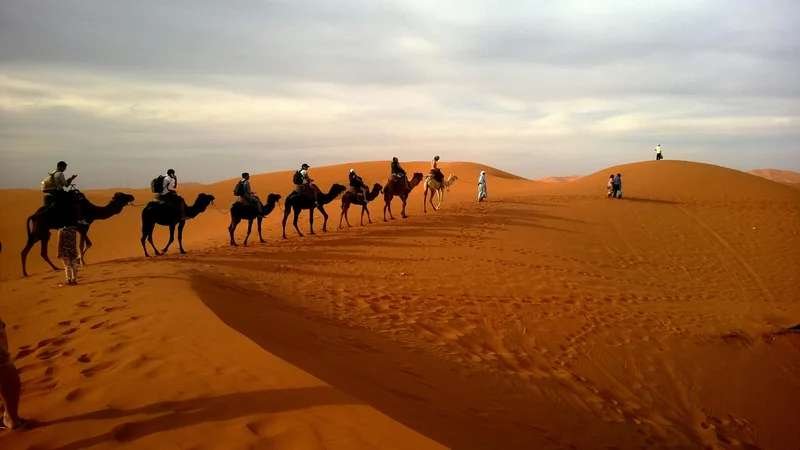
Morocco's transportation system works efficiently. You can move between cities by modern train, reliable bus, domestic flight, private driver, or rental car. Each mode serves different needs and budgets. Understanding the trade-offs helps you choose appropriately. If you're planning your first visit, understanding how Morocco's transportation works provides broader context for structuring your itinerary.
The distances are real. Morocco's geography spans from Mediterranean coast to Sahara Desert. Marrakech to Fes is 530 kilometers. The train takes four hours. Driving takes seven to eight. These aren't gaps you cross in an hour or two. Journey time becomes part of your trip structure, especially important for family travel where timing matters. Short focused trips minimize transfers by concentrating on single cities.
Transportation At a Glance
Between Cities: The Main Options
Five ways exist to move between Morocco's major destinations. Each has specific characteristics.
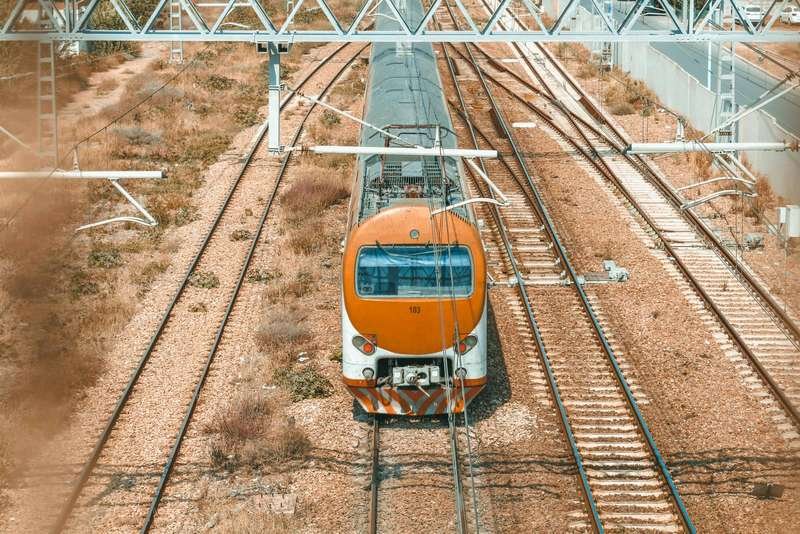
Trains: ONCF, Morocco's rail operator, runs modern, comfortable trains on limited routes. The main line connects Tangier, Rabat, Casablanca, Marrakech, and Fes. Service is punctual, clean, and air-conditioned.
First-class costs about 50% more than second-class and provides assigned seating, more space, and slightly quieter cars. Second-class is perfectly comfortable for most travelers.
The limitation is route coverage. Trains don't reach the Sahara, Atlas mountains, or most coastal towns. They connect major cities but miss the geography between them. You're transported efficiently but you don't see the landscape transition.
Journey times:
- Marrakech to Fes: 4 hours direct
- Casablanca to Marrakech: 2.5-3 hours
- Tangier to Marrakech: 5.5-6 hours
- Rabat to Fes: 2.5 hours
Book tickets online through ONCF website or at stations. Advance booking isn't essential except during holidays, but it guarantees seats.
Train Travel Tips
First-class isn't necessary for most routes. Second-class provides comfortable seating, good windows, and adequate space. Save the upgrade cost for other experiences.
Weekend trains fill faster than midweek. If traveling Friday-Sunday, book a few days ahead. Otherwise, same-day purchase works fine.
Bring snacks and water. While vendors walk through cars selling food, selection is limited. The cafe car exists but isn't always open.
CTM Buses: Morocco's premium bus company operates scheduled service to most destinations. Buses are modern, air-conditioned, and have bathrooms. Service is reliable.
CTM costs less than trains and reaches more destinations. The trade-off is speed. Buses take longer routes, make more stops, and travel slower than trains on shared routes.
Luggage goes in storage compartments beneath the bus. Keep valuables with you. Theft is uncommon but happens occasionally. Your transportation choice affects packing decisions. Trains and private drivers handle rigid suitcases easily, while shared taxis and buses work better with flexible bags. See our packing guide for luggage recommendations based on your transport method.
Journey times run 20-40% longer than equivalent train routes. Marrakech to Fes by bus takes 7-8 hours versus 4 hours by train. The bus reaches destinations trains don't serve, which matters for comprehensive routing.
Book through CTM website or at bus stations. Popular routes during peak season benefit from advance booking.
Domestic Flights: Royal Air Maroc and Air Arabia operate flights between major cities. The flight time advantage disappears when you factor airport transit, check-in, and baggage claim.
Marrakech to Fes: 1 hour flight becomes 4-5 hours door-to-door when you include getting to airport, checking in two hours early, baggage claim, and transport from destination airport to your accommodation.
Flights make sense for:
- Very long distances (Marrakech to Tangier)
- Tight schedules requiring maximum time in destinations
- Travelers uncomfortable with long drives
- Returning to starting point when circular routing doesn't work
They don't make sense for experiencing Morocco's geography. Flying between cities means missing how the landscape connects. For many trips, this is the core experience.
Private Drivers and Self-Drive Options
Private Drivers: This is a driver with vehicle dedicated to your group. You travel on your schedule, stop where you want, and route flexibly. The vehicle is typically SUV or van depending on group size.
Private drivers know the routes, speak functional English (or French), and handle navigation and logistics. They're not tour guides but can provide basic information about areas you're passing through.
Cost is substantially higher than public transport but lower than most travelers estimate. For groups of three or more, per-person cost becomes reasonable. For couples, it's a luxury service with significant benefits.
The value isn't just comfort. It's flexibility and the ability to experience the journey as part of the trip. Stop at kasbahs. Visit viewpoints. Take photos at mountain passes. Adjust timing based on how you feel that day.
What Private Drivers Include
Included: Vehicle appropriate for group size, driver for entire journey, fuel costs, tolls and parking, driver's meals and accommodation, flexible routing, basic area information.
Not Included: Your accommodation and meals, entry fees for sites, guide services (driver isn't certified guide), shopping commissions (good drivers avoid this).
The vehicle becomes your base. You leave items in it without carrying everything. You adjust the day based on energy and interest without consulting schedules.
Self-Drive Rental Cars: Major rental companies operate in Morocco. International driving licenses are required (technically, though enforcement varies). Road conditions range from excellent highways to challenging mountain passes.
Self-driving provides maximum flexibility. You control timing, routing, and stops. You're independent of schedules or drivers.
The challenges are navigation (GPS helps but isn't perfect), dealing with local driving customs (more aggressive than most Western countries), and handling vehicle issues if they arise. Parking in medinas is difficult. Finding your way through complex city traffic creates stress.
Self-driving works best for confident, experienced drivers comfortable with challenging conditions. It works less well for first-time visitors dealing with multiple new factors simultaneously.
Within Cities: Local Movement
City transportation follows different logic than intercity travel.
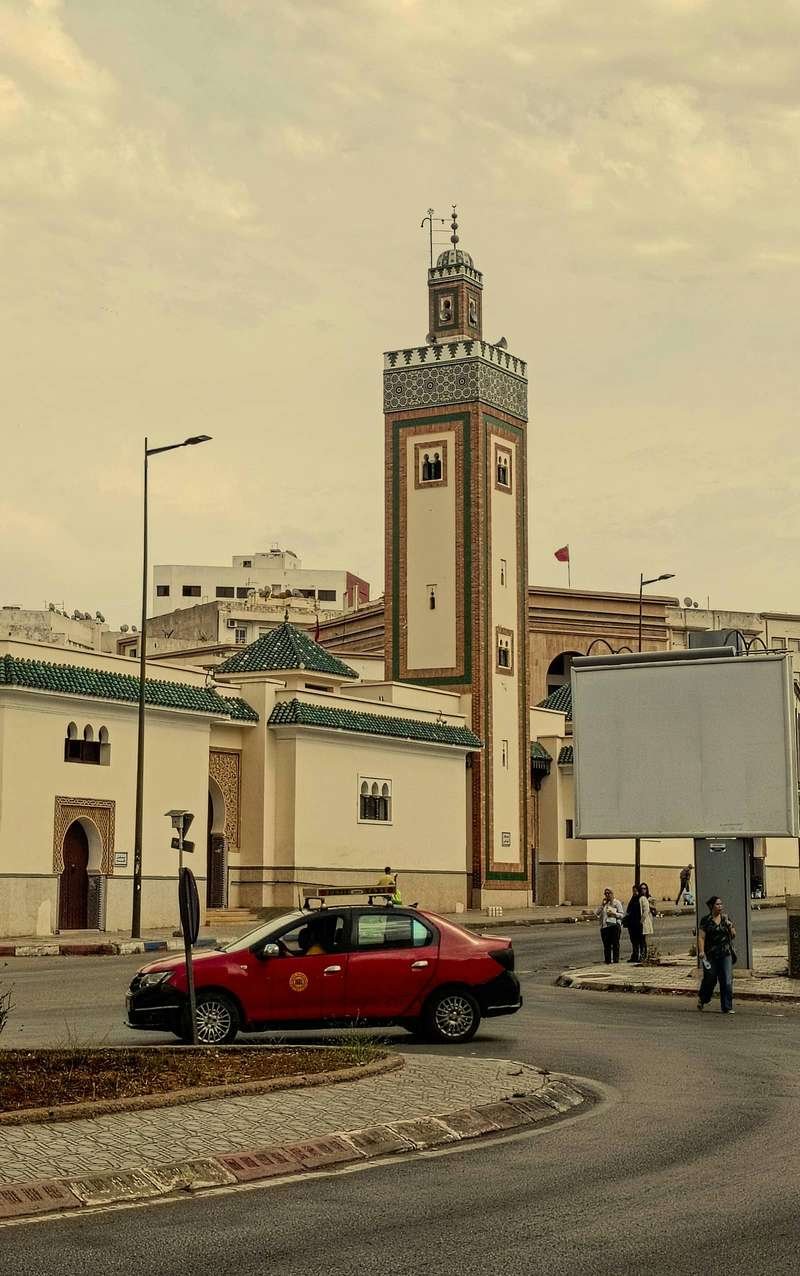
Petit Taxis: Small taxis (typically Fiat or similar compact cars) painted in city-specific colors serve urban areas. They're metered and inexpensive. Useful for moving around new cities or when walking distance is too far.
Meters should be used. If driver doesn't start meter, request it. "Le compteur, s'il vous plaît." Refusing to use meter means finding another taxi. Most drivers comply immediately.
Petit taxis don't cross city boundaries. They operate only within municipal limits.
Typical fares: 15-30 dirhams for most city trips (roughly $1.50-$3). Night surcharge increases this by 50%.
Grand Taxis: Larger vehicles (usually Mercedes sedans) operating between cities or from cities to nearby destinations. These typically work as shared taxis, departing when all six seats fill.
You can pay for extra seats if you want private space or immediate departure. Pay for two seats if you want more room. Pay for all six if you want private vehicle immediately.
Grand taxis serve routes where buses don't or provide faster alternative to buses for shorter intercity trips. Negotiation is part of the process. Agree on price before departure.
Urban Transportation Strategy
Walking is often the best option in medinas where cars can't reach. Most attractions within medinas are walking distance from each other. Good shoes matter more than transportation budget.
Careem (ride-sharing app) operates in major cities. It functions like Uber with upfront pricing and digital payment. Availability varies by location and time. Not as reliable as petit taxis for immediate pickup but useful when available.
Driving Yourself: When It Makes Sense
Renting a car works for specific trip types and personalities.
Good Scenarios:
- Extended stays (three weeks plus) covering many regions
- Travelers experienced with challenging driving conditions
- Groups wanting maximum flexibility and independence
- Specific interests requiring access to remote areas
- Follow-up trips where Morocco is familiar territory
Challenging Scenarios:
- First Morocco trip with limited time
- City-focused itineraries (cars are burdens in medinas)
- Travelers uncomfortable with aggressive traffic
- Solo travelers (cost efficiency drops, navigation is harder)
- Winter mountain travel (snow and ice on passes. Road conditions vary significantly by season, as detailed in our seasonal timing guide)
Road Conditions Reality
Main highways: Excellent. Toll roads connect major cities with good surfaces and clear signage.
Secondary roads: Vary significantly. Mountain passes can be narrow, winding, and poorly maintained.
Hazards: Speed bumps appear suddenly in villages, often unmarked. Livestock on roads is common in rural areas. Moroccan drivers are more aggressive than most Western countries. High-speed passing, minimal signaling, and fluid lane discipline are standard.
Navigation: GPS works but has limitations. Rural road data is incomplete. Medina navigation is impossible by car. Place names have multiple spellings on different signs.
Practical Costs:
- Rental: $30-60 per day depending on vehicle type and season
- Fuel: Approximately $1.20 per liter (roughly $4.50 per gallon)
- Tolls: 50-100 dirhams for major highway segments
- Parking: 5-20 dirhams for guarded parking in cities
International drivers license required. Some rental companies are strict about this, others less so. Better to have it than argue at pickup counter.
Realistic Journey Times: Why They Matter
Distance doesn't equal time in Morocco. Terrain and road conditions affect travel duration significantly.
Major Routes with Realistic Times:
Marrakech to Fes:
- Train: 4 hours direct
- Car via highway: 7-8 hours with minimal stops
- Car via Ifrane: 8-9 hours (longer but different scenery)
The highway route is fastest but less scenic. The Middle Atlas route adds time but shows cedar forests and Berber villages.
Marrakech to Merzouga (Sahara):
- Car: 8-9 hours minimum
- Typically done as two days with overnight in Dadès or similar
This is not a day trip. You cross Tizi n'Tichka pass, descend to Ouarzazate, continue through valleys and gorges. Each segment requires time. Rushing this route misses its value.
Marrakech to Essaouira:
- Car: 3 hours
- Bus: 3-3.5 hours
This is a reasonable day-trip distance but works better as two-three night coastal stay. The travel time is manageable but you arrive tired from journey.
Fes to Chefchaouen:
- Car: 4 hours
- Bus: 4.5-5 hours
Mountain roads require careful driving. The scenery is spectacular but the route demands attention.
Understanding Time Requirements: Bathroom breaks, meals, photo stops, and unexpected delays (livestock, slow trucks on mountain passes, traffic) all add minutes to estimates.
This affects itinerary planning. A travel day is a travel day, not a half-day that leaves time for sightseeing at destination. Plan arrival early enough for dinner but don't schedule activities for travel days.
Private Driver Value: What You're Actually Paying For
Understanding what private drivers provide clarifies the value proposition.
The driver handles logistics. You don't navigate, negotiate parking, or deal with vehicle issues. This mental space allows focus on experiencing places rather than solving transportation problems.
For family travel, the flexibility matters significantly. Children's needs change unpredictably. Private transport accommodates this naturally. For honeymoon travel, the stress reduction contributes to the relaxation goal.
Cost Reality: Private driver for Marrakech to Fes via Sahara (3 days): approximately $300-500 depending on vehicle type and specific routing. For four people, this is $75-125 per person. Compared to bus tickets plus missed experience value, the premium is moderate. See our complete Morocco travel costs guide for comprehensive budgeting.
Day-rate private drivers for local exploration: $80-150 per day. For full-day Atlas mountains tour from Marrakech, this is reasonable for a group.
The calculation isn't just transport cost versus transport cost. It's transport plus flexibility plus stress reduction versus transport alone.
Why Journey Matters More Than You Think
The landscape transition is Morocco's story. You watch: urban Marrakech, agricultural plains, Atlas foothills, mountain passes with snow, descent to arid plateau, pre-desert vegetation changes, finally desert arrival.
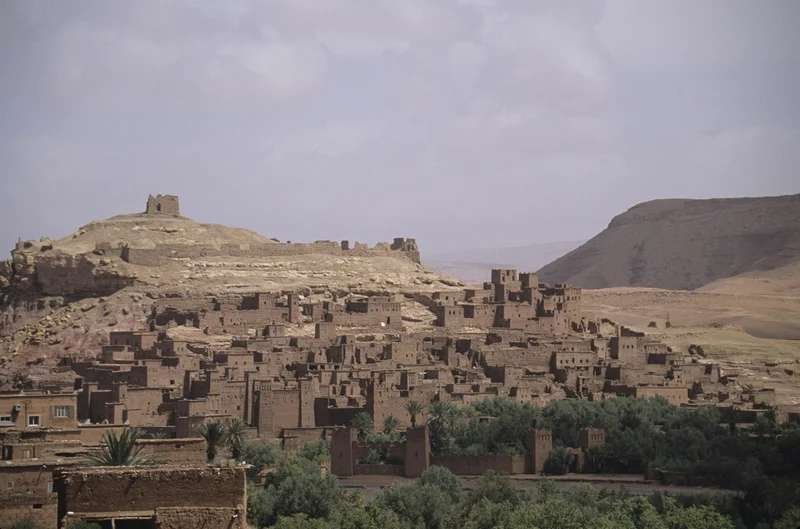
Each zone has distinctive architecture. Building materials change based on available resources. Clay construction appears where stone is scarce. The architecture tells you where you are geographically.
Flying eliminates this narrative. You're in Marrakech, then you're in Fes. The connection disappears. For many trips, especially first visits, the connection matters more than saving three hours.
How We Handle Transportation
The Morocco Detour approach includes private drivers for intercity travel. This isn't upselling. It's recognition that the journey between destinations is part of the experience, not an obstacle between highlights.
The drivers know the routes, anticipate travel needs, and handle logistics that create stress when self-managing. You focus on experiencing Morocco. They focus on moving you through it smoothly.
For families, this removes variables that complicate travel with children. For cultural exploration, it allows spontaneous stops at artisan workshops or villages. For all travelers, it provides reliability without requiring constant decision-making.
We coordinate timing with accommodations. Your riad in Fes knows when you'll arrive. The desert camp expects you at appropriate time. The sequence works because transportation timing is managed rather than hoped for.
Quick Transportation Reference
Wondering about transportation for your Morocco itinerary? We coordinate all logistics including private drivers, so you experience the journey without managing the details.