The Sahara: What Actually Happens on a Desert Trip
Sahara Desert Trip At a Glance
People arrive at desert camps with wildly varying expectations about what a Sahara trip actually involves. Some imagine Lawrence of Arabia adventure. Others picture glamping resorts in the sand. Neither image is quite right. The Sahara experience sits somewhere between authentic discomfort and organized tourism, and knowing what to expect helps you appreciate it for what it actually is.
Here's what really happens when you go to the Sahara, from the journey getting there to the camp experience to what you actually do once you arrive.
The Journey Is Half the Experience
You don't teleport to the desert. The drive from Marrakech or Fes takes seven to nine hours depending on your route. This sounds tedious. It's actually one of the better parts of the trip because the landscape transforms gradually. You watch Morocco shift from mountains to valleys to pre-desert to actual desert over the course of a day.
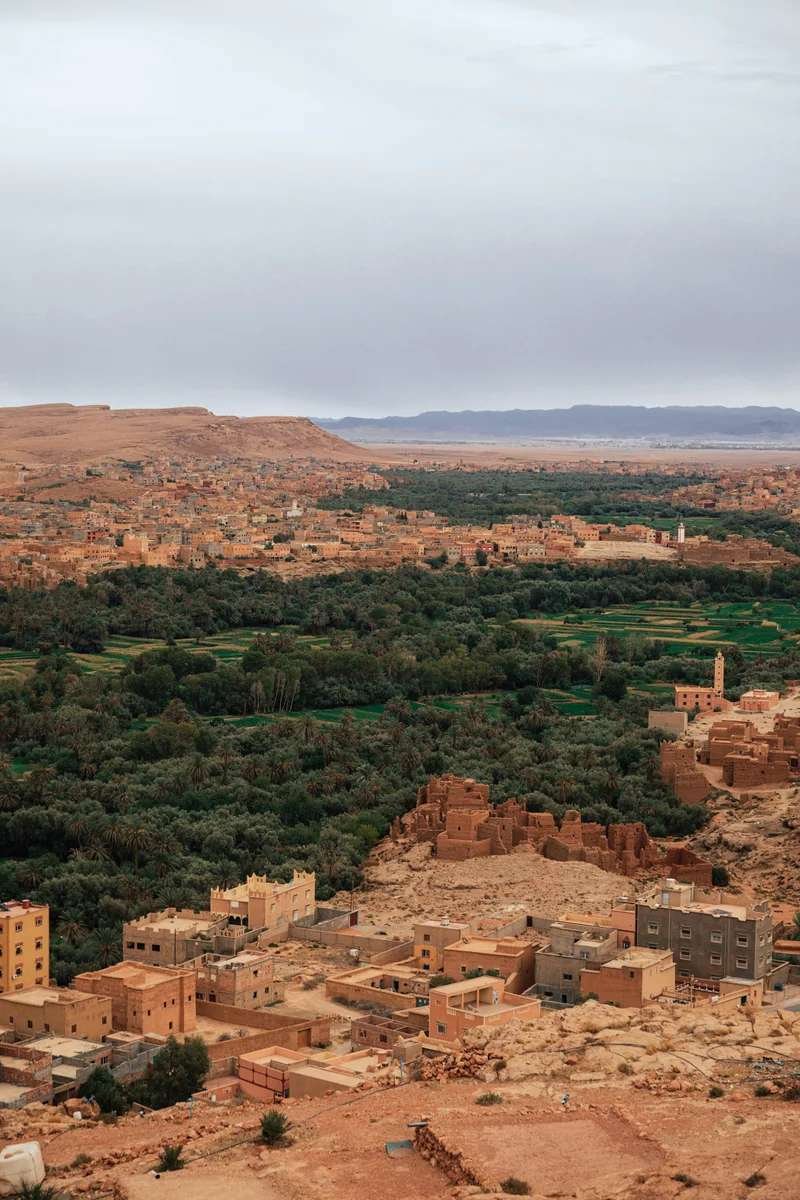
The route from Marrakech crosses the High Atlas via Tizi n'Tichka pass. The road climbs to over 2,000 meters with switchbacks and dramatic views. Then you descend into the Ouarzazate basin. The landscape opens up. Colors shift from green to ochre. You pass kasbahs built from rammed earth that blend into the landscape they're made from.
Most trips stop at Aït Benhaddou, the fortified village that appears in every desert movie ever filmed. It's worth the stop. The architecture shows how people built defensively in this region for centuries. The light in late afternoon turns the red earth golden.
Journey Planning Tip
Past Ouarzazate, you drive through the Dadès and Todra valleys. These aren't desert yet. They're river valleys with palm groves and Berber villages. The contrast between green oases and bare rock formations is striking. The road through Todra Gorge runs between canyon walls that rise 300 meters on either side.
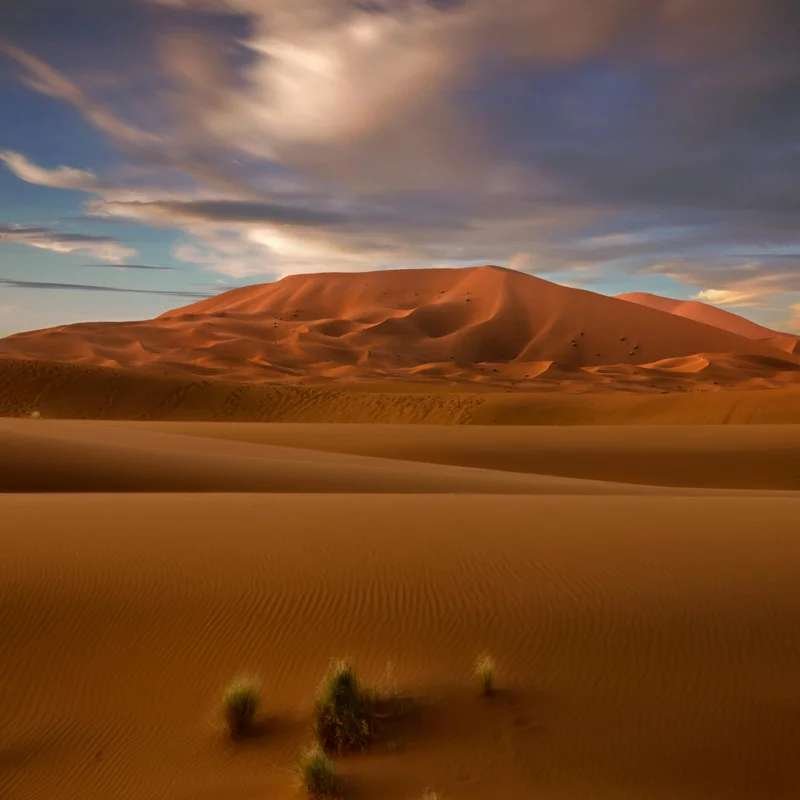
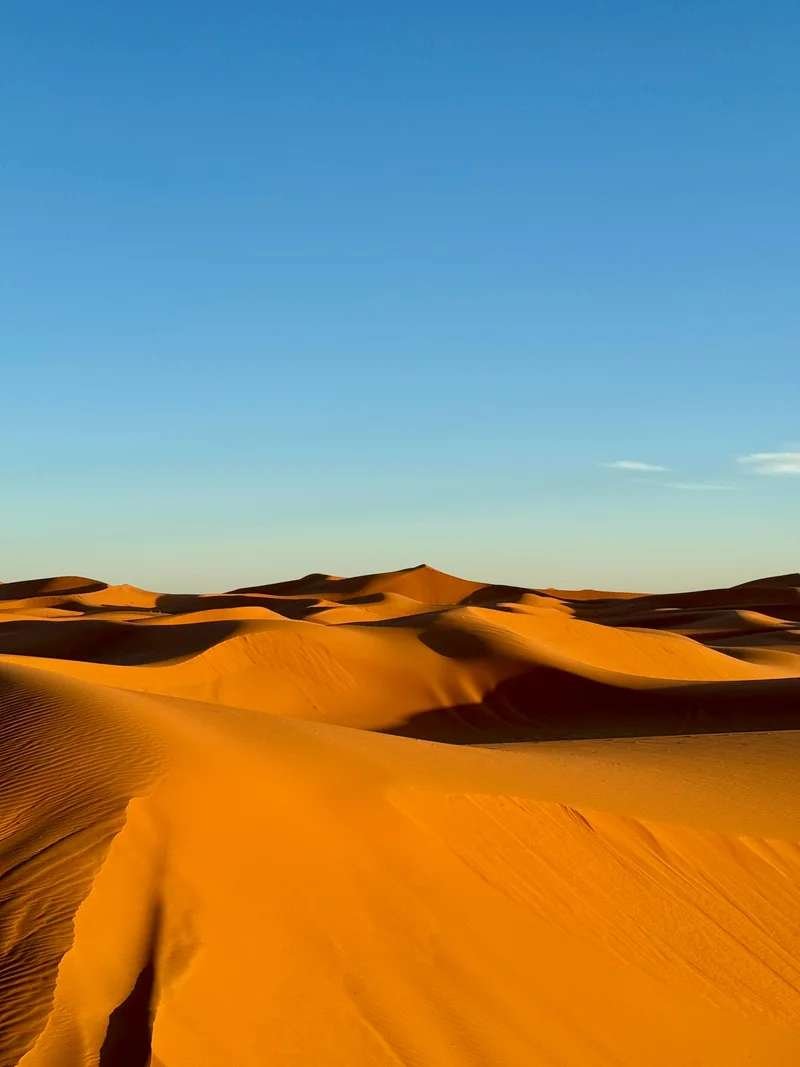
Only in the last hour does the landscape become actual desert. The vegetation disappears entirely. The earth turns sandy. And then you see the dunes. They appear suddenly on the horizon. The first glimpse of Erg Chebbi's orange sand dunes rising from flat desert is the moment the trip becomes real.
This journey matters because it gives context. The desert doesn't exist in isolation. You understand where it sits in Morocco's geography. You see the transition zones. And the long drive makes arriving at the dunes feel earned rather than instant.
Where You Actually Go: Merzouga vs. M'Hamid
Most Sahara trips go to one of two places. Merzouga sits at the edge of Erg Chebbi, the more accessible dune field. M'Hamid is further south near Erg Chigaga, more remote and harder to reach. The choice affects your experience significantly.
Merzouga is more developed. The village has hotels, restaurants, and infrastructure. Camps range from basic to genuinely luxurious. You can drive right up to the desert edge. Camel treks or 4x4 transfers into the dunes take 45 minutes to an hour. The dunes here rise high with dramatic ridgelines. Crowds exist but spread out across multiple camp locations.
M'Hamid feels more isolated. The village is smaller. Getting to the dunes requires longer 4x4 drives across varied terrain. Camps tend to be more rustic with fewer luxury options. But you get more solitude. Fewer tourists make it this far. The desert feels wider and emptier.
Camp Selection
Arrival at the Desert Edge
You reach Merzouga or M'Hamid in late afternoon. The camp operators meet you. Then comes the moment that stresses many travelers: the camel ride or 4x4 decision.
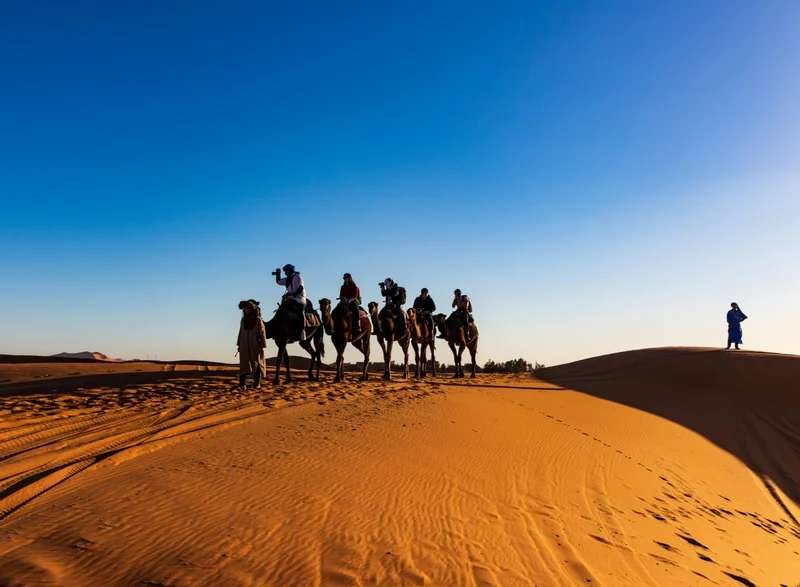
Camels are traditional and photogenic. They're also uncomfortable. The mounting and dismounting process is awkward. The swaying gait takes getting used to. The animals smell. Forty-five minutes on a camel isn't terrible, but it's not relaxing either. People do it for the experience and the photos. If you have back problems or mobility issues, camels genuinely hurt.
The 4x4 option exists at most camps now. You drive straight to the camp. This is practical, comfortable, and completely reasonable. Some travelers feel like they're cheating by skipping camels. This is silly. Bedouins would absolutely take a 4x4 if they had the option.
A compromise many camps offer: 4x4 to camp, short camel ride for sunset. You get the photo opportunity without extended discomfort.
The ride or drive into the dunes as the sun lowers creates the first strong impression. The sand changes color from yellow to orange to deep amber. Shadows lengthen behind each dune ridge. The temperature drops from hot to comfortable. If you're on a camel, the silence broken only by footfalls in sand feels meditative. In a 4x4, the play of light across rippled sand through the windows is mesmerizing.
What Desert Camps Actually Are
The phrase "luxury desert camp" confuses people. Luxury in the desert operates on a different scale than luxury in cities. Understanding what's actually possible helps set appropriate expectations.
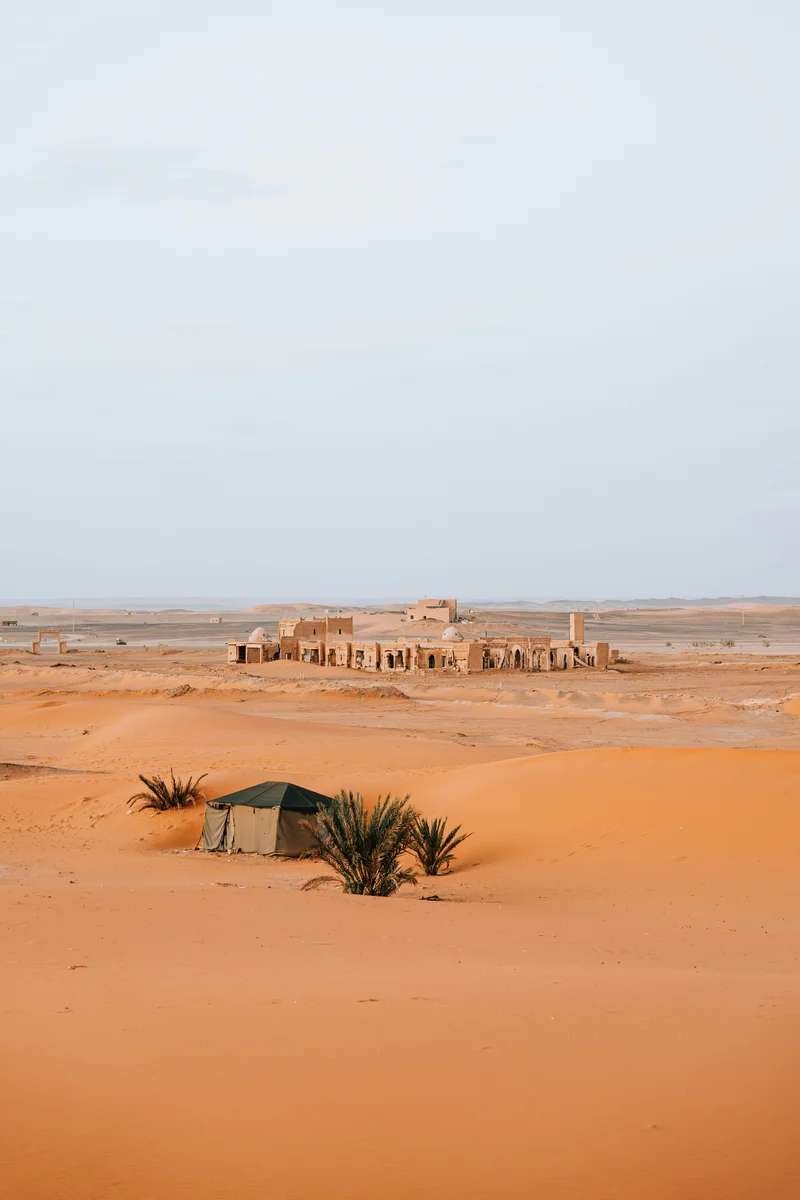
Basic camps offer Berber-style tents with simple mattresses on the ground or low platforms. Shared bathroom facilities outside the sleeping tents. Simple meals cooked over fire. No electricity. This is authentic desert camping. It's also genuinely uncomfortable for many travelers. Cold nights, basic facilities, and minimal amenities work for adventure-focused people but not everyone.
Standard camps upgrade to proper beds, private tents with attached bathrooms, running water (heated by solar), and some electricity for charging devices. Meals are cooked but served properly. These camps balance authenticity with basic comfort. Most travelers find this level adequate.
Luxury camps add substantial comfort. Actual beds with real mattresses. Private bathrooms with flush toilets and hot showers. Interior lighting. Comfortable seating areas in tents. Better food prepared by trained cooks. Some camps add pools (filled with trucked water), which seems absurd until you experience afternoon desert heat.
Ultra-luxury camps approach hotel standards. King beds. Ensuite bathrooms with good water pressure. Air conditioning (generator-powered). WiFi. Restaurant-quality meals. These exist but cost significantly more. You're paying for the logistical complexity of bringing hotel infrastructure to remote desert.
Setting Expectations
Choosing camp level depends on your comfort requirements and budget. Basic works if you're young and adventurous. Standard satisfies most travelers. Luxury makes sense for honeymoons or travelers who need reliable comfort. Ultra-luxury exists for people willing to pay premium prices for maximum comfort in challenging environment.
The Desert Camp Experience
You arrive at camp as the sun sets. The temperature drops quickly. What was hot two hours ago becomes pleasant within 30 minutes and genuinely cool within an hour.
Most camps follow a similar evening rhythm. You settle into your tent. Tea appears almost immediately. Mint tea is ceremonial in Moroccan culture, and camps use tea service as welcome ritual. You drink tea while watching the last light fade.
Dinner happens after dark, usually around 8 or 9pm. Camps gather everyone at communal tables. Meals are tagine-based usually, plus salads, bread, and fruit. The food quality varies by camp level but is generally adequate. You're not here for culinary excellence. You're here for eating under stars in the desert.
After dinner, camps often have music. Berber drumming and singing around campfires is standard entertainment. It's authentic to desert culture and genuinely enjoyable. The rhythms are hypnotic. Some camps push tourist participation too aggressively. Others let you just listen and appreciate.
Then comes the stars. The Sahara's remoteness and lack of light pollution creates spectacular night skies. If you've only seen stars from cities, this will astonish you. The Milky Way appears as a distinct band across the sky. Shooting stars are frequent. The sheer number of visible stars overwhelms. This alone justifies the trip for many people.
Stargazing Tip
Sleep in desert camps varies by season and camp quality. Winter nights get genuinely cold. You'll want all the blankets provided. Summer nights stay warm. Spring and fall are perfect. The silence is absolute if you're far enough from other camps. Some people find this peaceful. Others find it eerie. Morning comes early. Sunrise happens around 6-7am depending on season, and you'll want to be awake for it.
What You Actually Do
The desert experience centers on being there rather than doing structured activities. But several experiences are common.
Sunrise dune climb happens almost universally. You wake before dawn, climb to a high dune, and watch the sun rise. The light transforms the landscape moment by moment. The photography is incredible. The experience itself is meditative. This takes maybe an hour including the climb up and descent.
Sandboarding works on steeper dunes. Camps provide boards. You climb up, slide down. It's fun for about 20 minutes. Then you're tired from climbing in sand and satisfied. Kids love it more than adults.
Walking in the dunes reveals desert details you miss from camp or camel. Plant life exists in surprising places. Animal tracks tell stories. The sand itself has texture and pattern created by wind. Temperature variations create updrafts you can feel. An hour wandering reveals the desert as living ecosystem rather than empty wasteland.
Some camps arrange 4x4 excursions to nomad families. These range from genuine cultural exchange to staged tourist show depending on the operator. The good ones introduce you to actual nomadic families living traditionally. You see how they manage water, herd animals, and navigate desert life. The poor ones feel like visiting a human zoo. Ask your operator about authenticity if this matters to you.
Simply sitting in camp watching light and shadow change across dunes is underrated. The desert isn't static. Wind reshapes sand constantly. Light angle changes the colors continuously. Many people discover that doing nothing in particular is exactly what they needed from the desert.
Temperature Reality
Understanding desert temperatures prevents unpleasant surprises. The desert doesn't maintain constant heat. It swings dramatically between day and night.
Seasonal Temperature Guide
Spring (March-May): Pleasant days (25-30°C / 77-86°F) and cool nights (10-15°C / 50-59°F). This is good desert weather. You're comfortable during activities. Nights require a jacket but aren't freezing. Spring can be windy, which kicks up sand. This is annoying but not trip-ruining.
Fall (September-November): Mirrors spring with excellent conditions. Days are warm but not hot. Nights cool pleasantly. Weather is stable. This is peak desert season along with winter.
Winter (December-February): Days are lovely (18-22°C / 64-72°F). Nights drop to freezing or below (0-5°C / 32-41°F). You need real warmth. The cold is dry rather than humid, which makes it feel less bitter than equivalent temperatures in humid climates. But you'll use every blanket the camp provides. Winter gives the clearest skies and best stargazing.
Pack layers regardless of season. The temperature swing means you need warm clothes even if it's hot during the day.
The Practical Realities Nobody Mentions
Sand gets in everything. Your shoes, bag, phone, hair, teeth. You cannot prevent this. Acceptance is the only strategy. Bring wet wipes and accept that complete cleanliness is impossible for 24 hours.
Bathroom situations vary by camp as mentioned earlier. Even luxury camps have limitations. Water pressure is never hotel-quality. Flush toilets work but sometimes need manual filling from buckets. Basic camps mean squat toilets or worse. Women need to factor in how they'll manage menstruation in basic facilities. It's doable but requires preparation.
Nighttime bathroom trips in desert camps can be challenging. Tents are separated from facilities. You navigate in darkness on sand. Bring a headlamp or phone light. The walk is short but tricky in unfamiliar terrain at night.
Phone service and WiFi are unreliable to non-existent. Some luxury camps have satellite WiFi. It's slow and expensive. Most camps have no connectivity. This is actually refreshing for many people but stressful for those who need to stay connected. Plan accordingly for emergencies.
Packing Essentials
The return journey the next morning happens early. You wake for sunrise, have breakfast, and depart by 8 or 9am usually. The long drive back happens in daylight, which lets you see landscapes you drove through at dusk going in. This reversal provides different perspective and photo opportunities.
What "Luxury" Actually Means in Context
Marketing around luxury desert camps sometimes overpromises. Understanding desert luxury helps set realistic expectations.
A luxury desert camp offers: comfortable beds, private bathroom with hot shower, reliable heating/cooling, quality food, attentive staff, and aesthetic design. This is genuinely impressive given the logistical challenges of remote desert locations.
A luxury desert camp does NOT offer: hotel-style amenities, perfectly controlled temperatures, unlimited hot water, instant WiFi, fine dining, or city-level comfort. The environment constrains what's possible regardless of price.
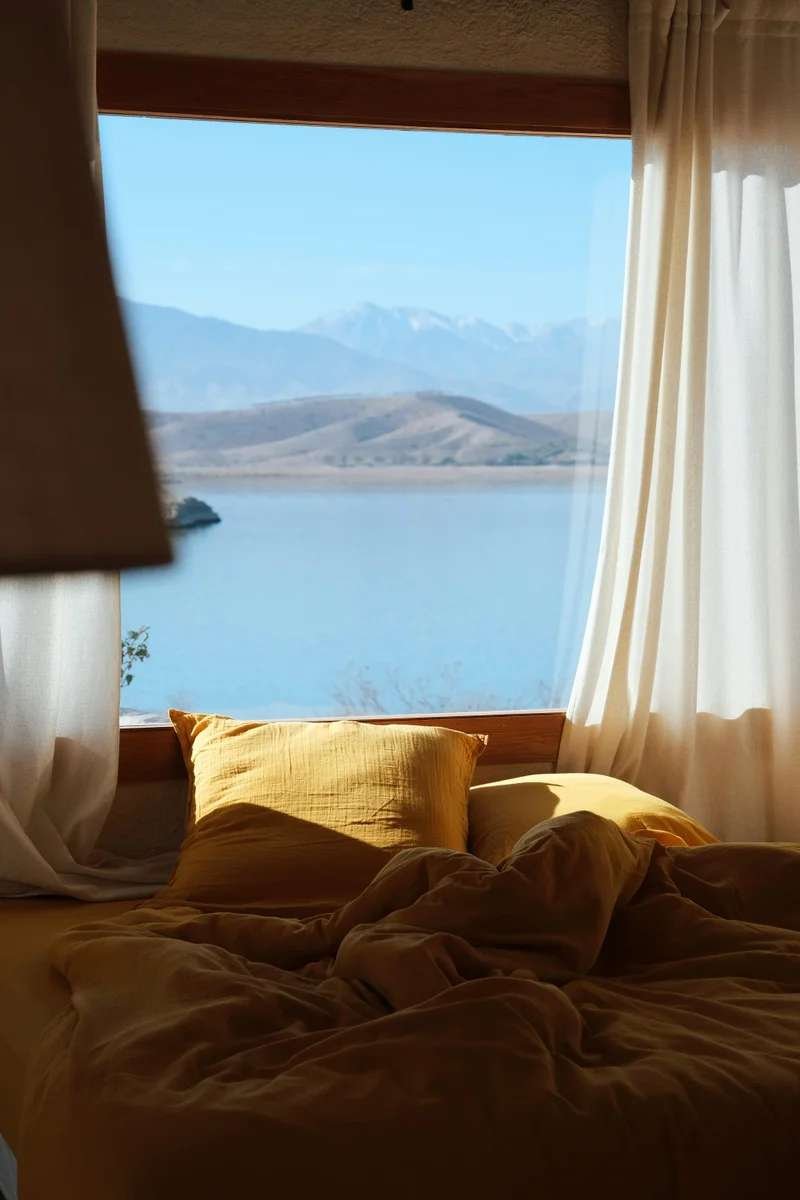
The value proposition of luxury camps is comfort relative to desert conditions, not absolute luxury. You're paying for sophisticated logistics that bring unusual comfort to a challenging environment. This is impressive and worth the cost for many travelers. But it's not the Four Seasons in the sand.
Is One Night Enough?
Most Sahara trips involve one night in the desert. This is adequate for experiencing the essential elements: journey there, camp arrival, sunset, stars, sunrise, and journey back. You get the desert atmosphere without excessive time in basic conditions.
Two nights allows more relaxation. The first night you're excited and stimulated. The second night you've adjusted and can appreciate the desert's quieter rhythms. Two nights also permits day trips to nearby sites or simply more time watching dunes shift.
Three nights starts feeling long for most travelers. The desert experience doesn't expand much beyond two nights unless you're trekking between camps or doing extended 4x4 expeditions. The limitations of camp facilities wear on comfort expectations.
For most people, one night captures the essence. Two nights deepens the experience. Three nights is only worthwhile with specific additional activities planned.
How This Fits Into Larger Morocco Trips
The Sahara typically anchors the middle of Morocco itineraries. You spend days traveling there from Marrakech or Fes. One or two nights in the desert. Then continue to your next destination.
Common patterns: Marrakech → Sahara → Fes creates a southern Morocco arc. You see Atlas, desert, and two imperial cities. This takes 7-10 days minimum.
Alternative: Marrakech → Sahara → return to Marrakech via different route. This creates a loop through southern Morocco's varied landscapes. Good for travelers who want desert but don't need both Marrakech and Fes.
The desert leg adds 3-4 days to any itinerary (two days travel, one or two nights in desert). This is substantial but usually worthwhile. The Sahara provides contrast to city experiences. It resets your perspective. The scale and silence offer something Morocco's busy medinas don't.
For detailed timing considerations including desert visits, we break down seasonal planning by region.
Whether you build your trip around desert adventures or incorporate desert into a broader cultural journey, the Sahara shapes how you experience the rest of Morocco. Everything before the desert builds toward it. Everything after carries its influence.
Managing Expectations
The Sahara won't be the romantic fantasy you imagined. It will also be more impressive than you expected, just in different ways.
You won't glide silently across endless dunes on noble camels. You'll ride uncomfortably on smelly animals for less than an hour to a camp you could have reached by car. The romance is undercut by reality.
But you will see stars like you've never seen them. You will watch sunrise transform an entire landscape in 20 minutes. You will experience genuine silence and vastness that city life never provides. You will sleep in the desert and wake to dunes outside your tent.
The discomforts are real. The beauty is equally real. Both exist simultaneously.
Ready to Experience the Sahara?
The desert reveals itself to those willing to meet it on its terms. Whether you're seeking the romance of remote desert camps or exploring Morocco's dramatic landscapes, the Sahara shapes trips in ways that cities and ocean coastlines don't. The vast sand dunes offer complete contrast to both mountain peaks and Atlantic beaches.
We structure desert trips that balance authenticity with appropriate comfort for your travel style. The journey, the camps, and the experience all matter.
Start planning your Morocco journey →
Quick Sahara Reference
Remember: The Sahara is genuinely impressive. It's also challenging, sometimes uncomfortable, and requires realistic expectations. Both things can be true. The travelers who appreciate it most arrive ready for both beauty and reality.