The High Atlas Mountains: Morocco's Other Landscape
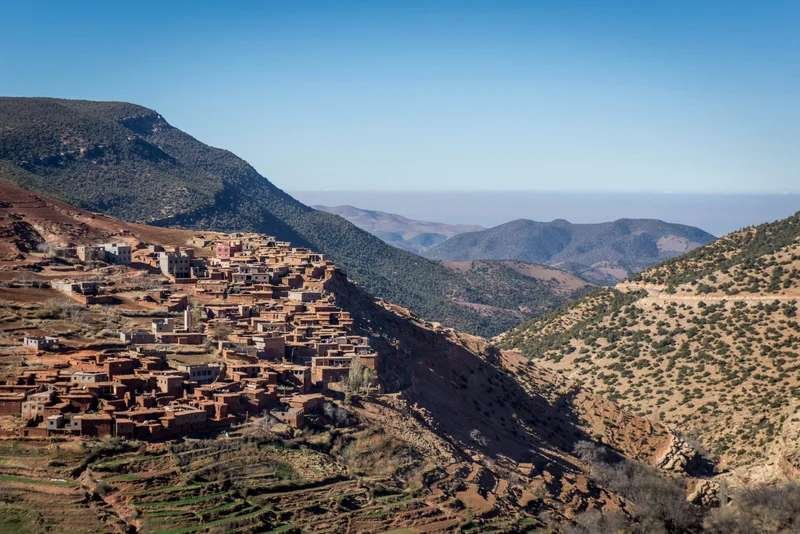
When travelers imagine Morocco, they picture imperial cities and rolling sand dunes. The High Atlas Mountains rarely appear in that mental catalog, which is a miscalculation. These mountains run 700 kilometers across Morocco's center, with peaks exceeding 4,000 meters. Toubkal, North Africa's highest summit, rises to 4,167 meters about 65 kilometers south of Marrakech.
The mountains aren't distant or inaccessible. From Marrakech's city center, you can reach alpine terrain in under an hour. The proximity changes how you might structure a trip. The Atlas isn't a separate destination requiring its own allocation of days. It's an extension of Marrakech, close enough for day trips, substantial enough for longer stays.
High Atlas At a Glance
Geography That Shapes Experience
The Atlas range divides into three sections: the High Atlas running southwest to northeast through central Morocco, the Middle Atlas in the north, and the Anti-Atlas to the south. For most travelers, the High Atlas matters most. This is where you find the dramatic elevation changes, the Berber villages built into hillsides, and the infrastructure that makes mountain exploration feasible.
The range creates Morocco's weather patterns. Atlantic moisture hits the mountains, drops as rain or snow on the western slopes, and leaves the eastern side increasingly arid until you reach the Sahara. This explains why Marrakech and the desert, though not far apart in straight-line distance, feel climatically different. The Atlas sits between them, intercepting moisture. Many travelers combine mountain trekking with desert experiences for complementary landscapes.
The mountains also preserve distinct Berber culture. Geography created isolation, and isolation preserved languages, building techniques, and agricultural practices that shifted elsewhere. When you visit Atlas villages, you're seeing architectural solutions developed for specific problems: steep terrain, temperature swings, limited building materials, and the need to defend against historical raids.
Access and Road Reality
Three main routes connect Marrakech to the High Atlas. The road to Imlil heads south through Tahanaout and Asni, climbing steadily to 1,740 meters where the road ends and mules take over. This is the gateway to Toubkal trekking. Drive time is 90 minutes from central Marrakech.
The Ourika Valley road runs east and south, following the Ourika River through increasingly narrow gorges. The valley gets crowded on weekends with Marrakchi families escaping city heat. Monday through Thursday sees fewer visitors. You reach the valley entrance in 45 minutes, though most continue another 30 minutes to Setti Fatma where hiking trails begin.
The Tizi n'Tichka pass crosses the range completely, connecting Marrakech to Ouarzazate and the desert beyond. The road climbs to 2,260 meters, curves through dozens of hairpin turns, and passes Berber villages that seem constructed vertically. This is the route you take when driving to the Sahara. Plan three hours to Ouarzazate, longer if you stop for photographs.
Road conditions vary by season and altitude. Paved roads are generally good, though narrow. Rain creates temporary washouts. Snow above 2,000 meters can close passes between December and March. Mountain seasonality differs from desert and coastal timing. Spring and fall offer ideal conditions while winter snow limits high-altitude access. Local drivers know which routes are clear. Trust their judgment.
What Mountain Days Include
The Atlas isn't a viewing experience. You can drive through, stop for photographs, and return to Marrakech, but that approach misses what the mountains offer. The value appears when you walk the trails, sit in village squares, and observe how mountain life operates differently from city rhythms.
Day trips from Marrakech work for valley exploration. The Ourika Valley offers restaurants built over the river, short hikes to waterfalls, and potters working in small workshops. You're back in Marrakech by evening. Imlil provides similar day-trip potential, with longer hiking options if you start early.
Multi-day stays require accommodation in mountain villages. Gites and small hotels exist in Imlil, Ait Benhaddou, and scattered kasbah conversions. These aren't luxury properties by city standards. Rooms are simple, bathrooms straightforward, heating inconsistent. What they provide is proximity to trails at dawn, when light angles across valleys and you have paths to yourself.
Day Trips vs. Overnight Stays
Day trips work well for Ourika Valley (waterfalls, river restaurants) and basic Imlil exploration. But mountain guesthouses offer something day trips can't: morning light on trails before crowds arrive and evening quiet in village squares.
If you have 2-3 nights available, stay in the mountains. If not, strategic day trips still provide meaningful mountain exposure.
Trekking spans difficulty levels. Valley walks require ordinary fitness. Reaching Toubkal's summit requires solid conditioning, cold weather gear, and typically two days with a night at refuge. Technical climbing skills aren't necessary, but altitude affects everyone. Many trekkers find the summit push harder than expected simply because 4,000 meters stresses breathing and pace.
Village visits reveal construction that works with terrain rather than against it. Houses stack up hillsides, each roof serving as another's terrace. Irrigation channels carved centuries ago still water gardens. Weekly souks gather in specific villages, where farmers trade produce and families handle yearly purchases. These are genuine markets serving local needs, not tourist attractions, though visitors are welcome to walk through.
Destinations Worth Specific Attention
Imlil functions as the main Toubkal base. The village sits at the roadhead where paved surface ends. Mules and hikers continue up. Accommodation ranges from basic gites to one legitimate boutique property with heated rooms and good food. The village itself takes ten minutes to walk through. The surrounding trails provide the reason for staying.
From Imlil, several day hikes are possible without altitude complications. The trail to Armed village takes two hours, climbing through walnut groves and terraced gardens. Armed is larger than Imlil, with a Thursday souk. Another trail heads to Tamatert village, about 90 minutes, passing irrigation channels and watching shepherds move flocks to different pastures depending on season.
Ourika Valley gets mentioned often because it's close and offers visible waterfalls. Reality: the lower valley has become developed with restaurants and guesthouses. The upper valley past Setti Fatma remains quieter. The hike to the seven waterfalls is popular but manages to disperse people across altitude. The trail is steady climbing, sometimes steep, with opportunities to stop at each waterfall level.
The valley provides comfortable hiking without the commitment of overnight treks. You can judge conditions, turn back if weather changes, and be in Marrakech for dinner. This makes it suitable for families and less experienced hikers.
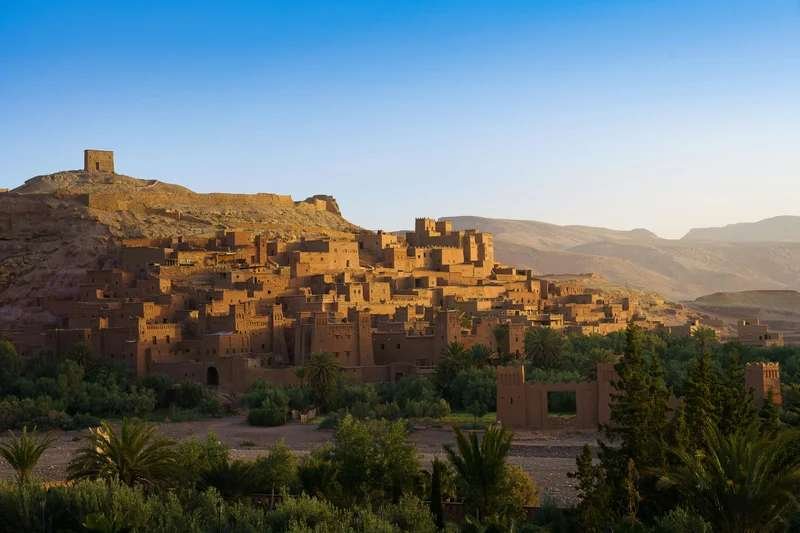
Ait Benhaddou technically sits in the pre-Saharan zone beyond the High Atlas, but most visitors reach it by crossing the Tizi n'Tichka pass. The fortified village is UNESCO-recognized and heavily photographed. Film crews use it regularly. Five families still live in the old ksar. Others have moved to the newer village across the river where infrastructure is better.
The site is worth visiting despite tourist presence. The mud-brick architecture demonstrates defensive design adapted to earthquake zones. Towers buttress walls, rooms interlock for stability, and the whole structure follows contours of the hill it sits on. Go early morning before tour groups arrive, or late afternoon when most have left.
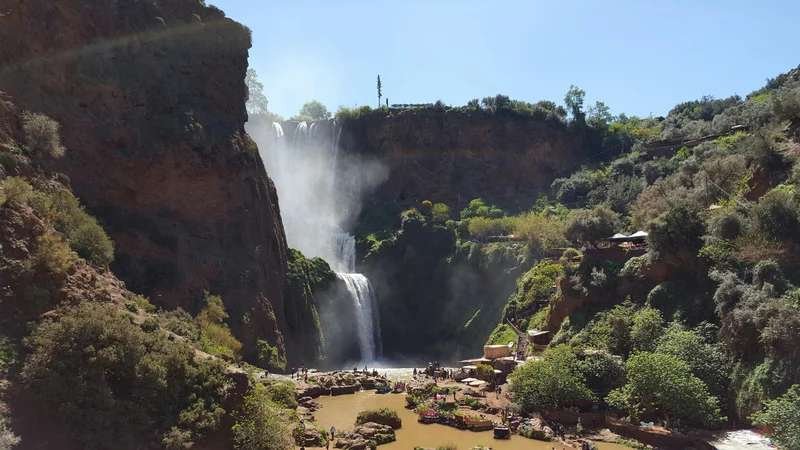
Ouzoud Waterfalls lie northeast of Marrakech in Middle Atlas territory but get grouped with High Atlas visits. The falls drop 110 meters in three tiers. Barbary macaques inhabit the area, approaching visitors who appear to have food. The monkeys are wild but habituated to humans. Don't feed them, despite locals encouraging it.
The setting provides steady water flow year-round, unlike many seasonal waterfalls. Several trails lead to different viewing points. The walk behind the falls gets you wet from spray. Restaurants line the canyon rim. Quality varies. The highest-rated options are at the parking area end.
When Seasons Matter
Spring brings snowmelt and wildflowers. March through May, the mountains turn green. Rivers run full. Trails above 2,500 meters shed snow cover but remain muddy. This is optimal hiking season if you don't mind wet ground. Temperatures at mid-elevation (1,500-2,000 meters) range from 12-22°C during day, dropping to 5-10°C at night.
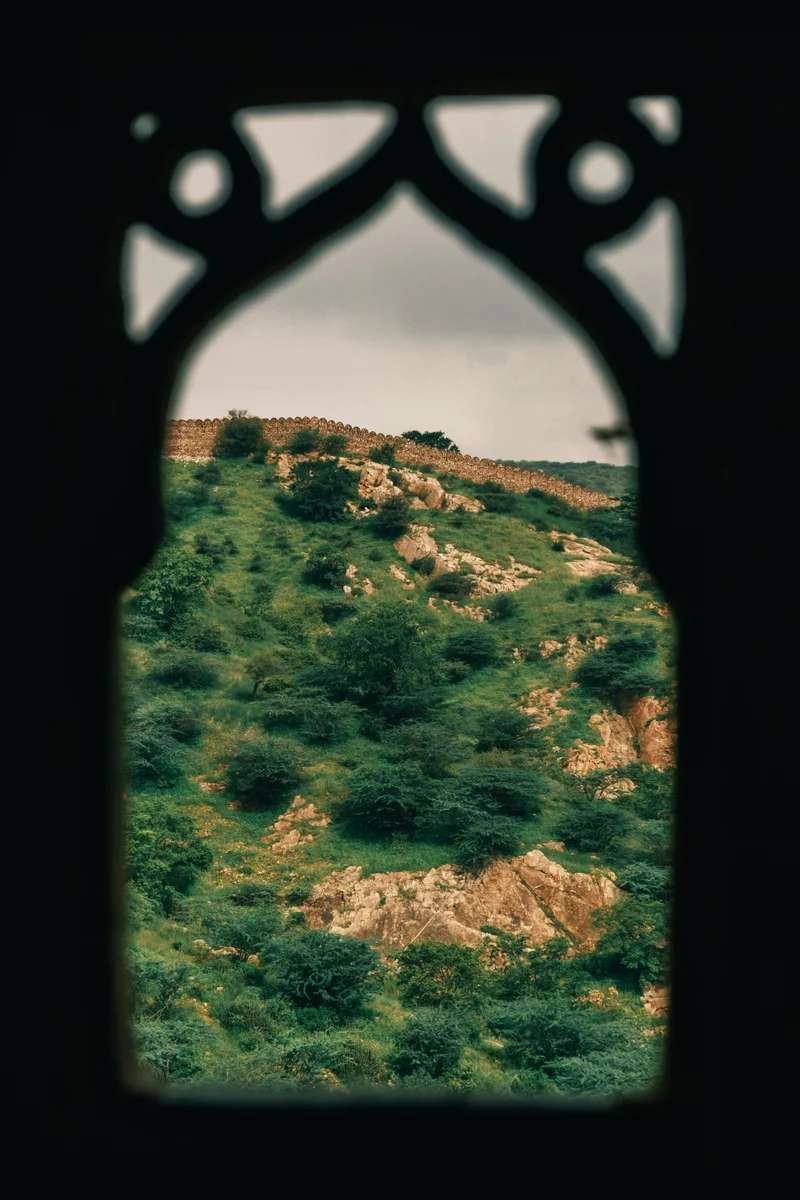
The wildflower display peaks in April. Slopes bloom with rockrose, lavender, and endemic species that grow nowhere else. If botanical interest factors into your travel, April justifies planning around. Photographers also prefer this month for green landscapes and dramatic clouds.
The April Sweet Spot
April offers the best combination of factors for Atlas exploration: trails accessible but still green from snowmelt, wildflowers in full bloom, comfortable temperatures (not too hot, not too cold), and fewer crowds than peak summer.
Book accommodation 3-4 weeks ahead for April stays. This is when Moroccan families also visit, and mountain guesthouses are small.
Summer heat makes lower elevations uncomfortable but opens high trails. June through August, Marrakech reaches 38-42°C. At 2,000 meters, temperatures stay around 25-28°C during day. Mornings are cool. Mountain villages become popular escapes for Moroccan families seeking relief from city heat. Accommodation books up faster, particularly weekends.
High-altitude trekking is feasible throughout summer. The Toubkal ascent has its best weather in July and August, with minimal precipitation and stable conditions. Snow lingers on north-facing aspects until June. Afternoon thunderstorms can develop quickly. Start summit attempts early morning to descend before weather changes.
Fall mirrors spring conditions, with October offering particularly stable weather. September can still feel like summer in valleys. November brings first snow to peaks above 3,500 meters. Fall colors appear in valley deciduous trees in late October, though the Atlas doesn't produce the dramatic autumn displays found in temperate forests.
Winter transforms the mountains. December through February, snow covers peaks and upper slopes. Skiing exists in Oukaïmeden, Morocco's only ski resort, about 80 kilometers from Marrakech. The resort operates intermittently depending on snow conditions. Infrastructure is basic compared to European or North American ski areas.
Winter Equipment Requirements
Winter hiking requires proper equipment. Trails at lower elevations (below 2,000 meters) remain accessible but can be muddy and cold. Night temperatures drop below freezing at any mountain elevation.
Villages that seem charming in summer reveal their heating limitations in winter. Wood stoves provide warmth where they exist. If visiting December-February, bring layers, waterproof boots, and realistic expectations about guesthouse heating.
Who Benefits From Mountain Time
Active travelers find obvious value in Atlas visits. If your trip plan includes hiking, climbing, or mountain biking, the range provides terrain ranging from gentle valley walks to technical ascents. The infrastructure exists to support mountain sports without requiring expedition-level logistics.
Families with children old enough for sustained walking (typically 8-10 years and up) can handle valley trails and village visits. The terrain challenges kids physically while showing them how people live differently in mountain environments. Younger children may find the hiking tedious and altitude tiring.
Photographers work with dramatic landscape scale and changing light. Morning fog fills valleys, burns off mid-morning, and creates layered visibility. Late afternoon sun angles across ridges. Architecture provides geometric subjects. People working in terraced gardens or leading mule trains add human elements.
Food enthusiasts discover mountain cuisine that differs from lowland cooking. Berber households prepare meals based on what grows at altitude: walnuts, almonds, olives, barley, root vegetables. Tajines incorporate mountain herbs. Hospitality customs involve tea ceremony and bread baking. Some guesthouses offer cooking instruction focused on Berber techniques.
The Atlas doesn't work for everyone. Travelers with limited time might prioritize desert or coast. People uncomfortable with basic accommodation may find mountain guesthouses too rustic. Those unable to walk sustained distances will struggle with most mountain activities beyond scenic drives.
Incorporating Mountains Into Larger Itineraries
The simplest Atlas addition is a day trip from Marrakech. Ourika Valley works well for this: morning departure, lunch by the river, afternoon hike, return by evening. This doesn't require changing accommodation or adjusting main itinerary.
Two or three nights in mountain villages suits travelers wanting deeper immersion without committing a week to trekking. Stay in Imlil or a converted kasbah. Do day hikes at different levels. Experience village evening quiet and morning light. This balances mountain exposure with practical time constraints.
Multi-day treks require different planning. The standard Toubkal circuit needs three to four days, though fit hikers can compress to two. Other circuits exist: Azzaden Valley, Ait Bouguemez, and longer traverses linking valleys. These need advance arrangement for mules, guides (required in some areas), and refuge or tent accommodation.
The Atlas also functions as transition between Marrakech and Sahara. Rather than driving direct, break the journey with a night in Ait Benhaddou or the Dades Valley. This turns a long drive into two shorter days with worthwhile stops. You see how landscape shifts from mountain to pre-desert.
Some itineraries work in reverse: begin in Marrakech, head south through the Atlas to desert, return along the coast via Essaouira. This creates geographic variety without backtracking. Each region offers distinct experience: city, mountain, desert, coast. For coastal contrast after mountain trekking, Essaouira's beach town atmosphere offers perfect recovery.
Practical Matters Travelers Should Know
Transportation in the mountains relies on either private vehicles or shared grand taxis. Public transport exists but runs on schedules that don't align well with trail access timing. Most mountain visitors arrange private drivers, either through accommodations or travel companies. This provides flexibility for stopping at viewpoints and adjusting timing based on conditions.
Transportation Strategy
Private drivers cost more than shared taxis but provide critical flexibility for mountain exploration. Drivers know which roads are clear after rain, where to stop for photographs, and can adjust timing if you want longer or shorter hikes.
Book drivers through your accommodation or a reputable company. Avoid arranging rides with random offers in Marrakech. Quality and reliability vary significantly.
Accommodation needs advance booking during peak seasons (April-May, October, July-August). Mountain guesthouses are small, often 6-12 rooms. They fill quickly when weather is good. Book at least two weeks ahead for these periods. Shoulder season allows more spontaneity.
Booking Timing Reality
Mountain accommodations don't have the inventory of city hotels. A popular guesthouse in Imlil might have 8 rooms total. During April or October, all 8 rooms could book out 3-4 weeks in advance.
If you have fixed dates during peak season, book mountain stays first, then build the rest of your itinerary around them.
Guides are recommended but not mandatory for most valley hikes. Well-traveled trails have clear markings. Local shepherds and farmers can provide direction if you lose the path. For summit attempts or less-traveled routes, hire guides. They know weather patterns, manage altitude challenges, and handle logistics.
Mobile phone coverage exists in major villages and valleys but disappears on trails and in remote areas. Don't rely on navigation apps. Carry paper maps or downloaded offline maps. Tell accommodation where you're hiking and expected return time.
Water sources appear regularly in populated valleys. Springs and streams provide drinking water throughout the range. Villages have public fountains. Higher elevation and remote areas require carrying sufficient water. Purification tablets or filters make sense for precaution, though most mountain water is clean.
Making Mountain Decisions
The High Atlas doesn't announce itself as obviously as Morocco's more famous destinations. It requires deliberate choice to include. That choice makes sense when your travel style values physical activity, landscape variety, and seeing how geography shapes culture.
The mountains also provide temperature relief. If your trip falls in summer, Atlas time offers respite from lowland heat. Even a single night at altitude creates noticeable climate difference.
Consider the mountains when planning Marrakech time. Three or four nights in the city allows a day trip to Ourika without feeling rushed. A week-long Marrakech stay easily incorporates two or three nights in Imlil.
The Atlas changes trip character from pure cultural tourism to something mixing culture with outdoor experience. This appeals to travelers who get restless spending all their time in cities and markets, who prefer walking to extended driving, and who want to understand how Morocco's diverse terrain creates its regional differences.
For travelers seeking less-visited Morocco, the mountains deliver. You'll encounter Moroccan families on weekend outings and serious trekkers, but not the tourist density found in Marrakech medinas or Sahara camps. Villages function primarily for residents, with tourism as supplemental rather than primary economy.
The High Atlas sits there, visible from Marrakech rooftops, close enough to reach easily, substantial enough to occupy whatever time you allocate. It's Morocco's other landscape, the one that doesn't fit the mental image but reshapes the trip for anyone who explores it properly.
Quick High Atlas Reference
Remember
The Atlas isn't a checklist destination. It rewards time over ticking boxes. A morning walk through terraced gardens teaches you more about mountain Morocco than racing up Toubkal for summit photos. Give yourself space to walk slowly, sit in village squares, and watch how light changes across valleys.
Planning mountain time in Morocco? Whether you're considering honeymoon experiences in mountain lodges, family adventures with accessible hiking, cultural immersion in Berber villages, or culinary experiences with mountain cuisine, we build in altitude, terrain, and seasonal timing. Tell us what you're looking for.