Morocco First-Time Visitor Guide: Everything You Need to Know
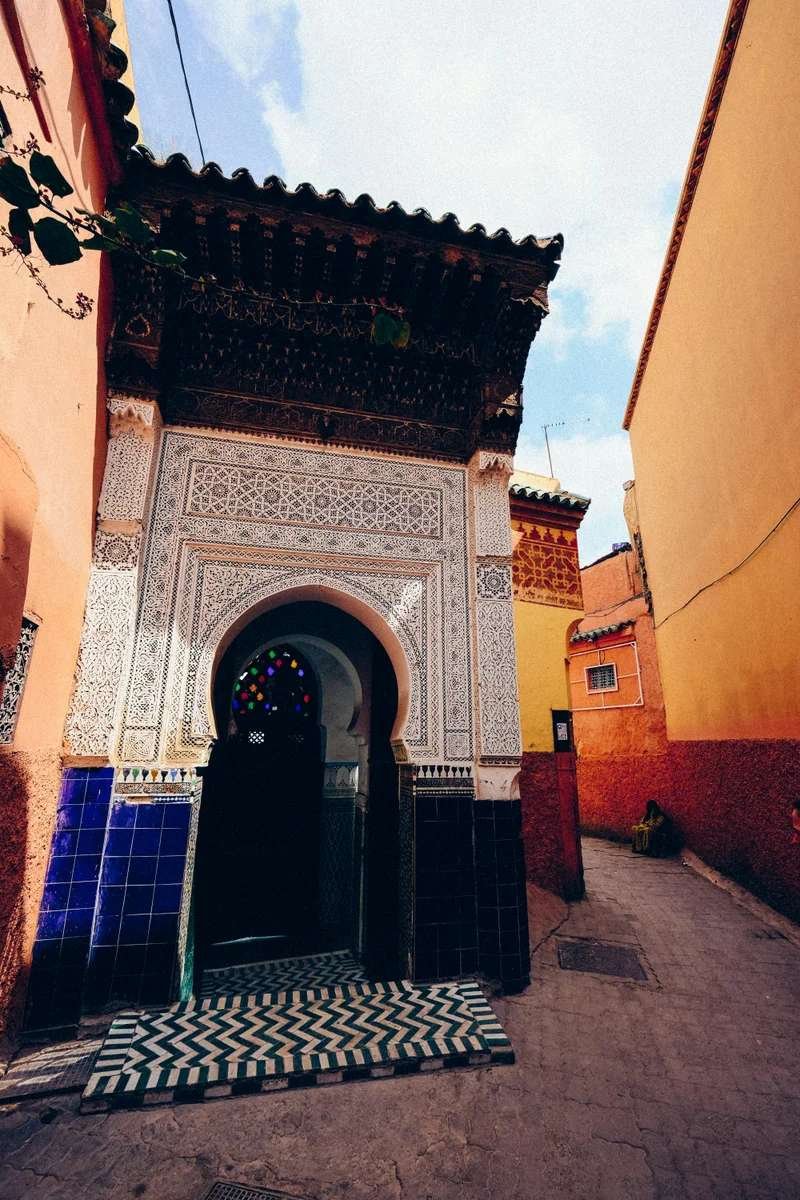
Morocco occupies northwest Africa, just three hours flight from major European cities and eight to nine hours from the US East Coast. It's geographically African, culturally Arab-Berber, historically connected to Europe, and functionally accessible for travelers from nearly anywhere.
First-time concerns about Morocco typically center on safety, cultural differences, language barriers, and logistics. Most of these concerns are manageable. Some require adjustment. None should prevent you from going. This guide covers the fundamentals; see our detailed guides on timing your visit, budgeting, getting around, and what to pack for deeper planning details.
First-Time Visitor Essentials
Basic Facts About Morocco
Location and Geography: Morocco sits at Africa's northwestern corner, bordered by the Atlantic Ocean, Mediterranean Sea, Algeria, and disputed Western Sahara territory. The country is roughly the size of California.
The geography varies dramatically. The Rif Mountains run along the Mediterranean. The Atlas Mountain system crosses the center. The Sahara Desert occupies the south and east. The Atlantic coast stretches for 1,800 kilometers.
This isn't Middle East. It's North Africa. The distinction matters for cultural context and travel patterns.
Language: Arabic and Berber (Amazigh) are official languages. French is widely spoken as legacy of French colonial period (1912-1956). Spanish appears in northern regions due to Spanish colonial influence.
English is common in tourism sectors. Hotel staff, restaurant servers in major cities, and drivers working with tourists typically speak functional English. French helps significantly if you know it. Arabic basics help more.
You'll manage without Arabic or French. Pantomiming and translation apps work. But learning basic greetings creates goodwill. "Salam aleikum" (peace be upon you) and "shukran" (thank you) go far.
Essential Arabic Phrases
Salam aleikum (peace be upon you) - Standard greeting
Shukran (thank you) - Universal appreciation
Labess? (how are you?) - Polite inquiry
Inshallah (God willing) - Common response about future plans
Bismillah (in God's name) - Said before eating
These five phrases cover most basic interactions and demonstrate cultural respect.
Currency: Moroccan dirham (MAD) is the only accepted currency. Exchange rates fluctuate around 10 dirhams per US dollar or 11 per euro. ATMs are widely available in cities.
Credit cards work in hotels, established restaurants, and larger shops. Medina vendors, street food, taxis, and small purchases require cash. Carry both.
Time Zone: Morocco operates on GMT (same as London) year-round except brief daylight saving time adjustments. No significant jet lag from Europe. Moderate adjustment from US East Coast (5 hours). More substantial from US West Coast (8 hours).
Muslim Country Context: Morocco is a Muslim-majority country with moderate interpretation and long tradition of religious tolerance. The king is a religious leader (Commander of the Faithful) as well as political head.
What this means for visitors: Friday is the holy day (some businesses close Friday morning for prayers). Ramadan affects restaurant hours and availability. Modest dress is appreciated. Alcohol is available but not prominent. Mosques are generally closed to non-Muslims.
What it doesn't mean: You don't need special permits. Women can travel independently. You can wear normal travel clothing (with modest coverage). Pork isn't available but other food is plentiful.
Common Concerns Addressed
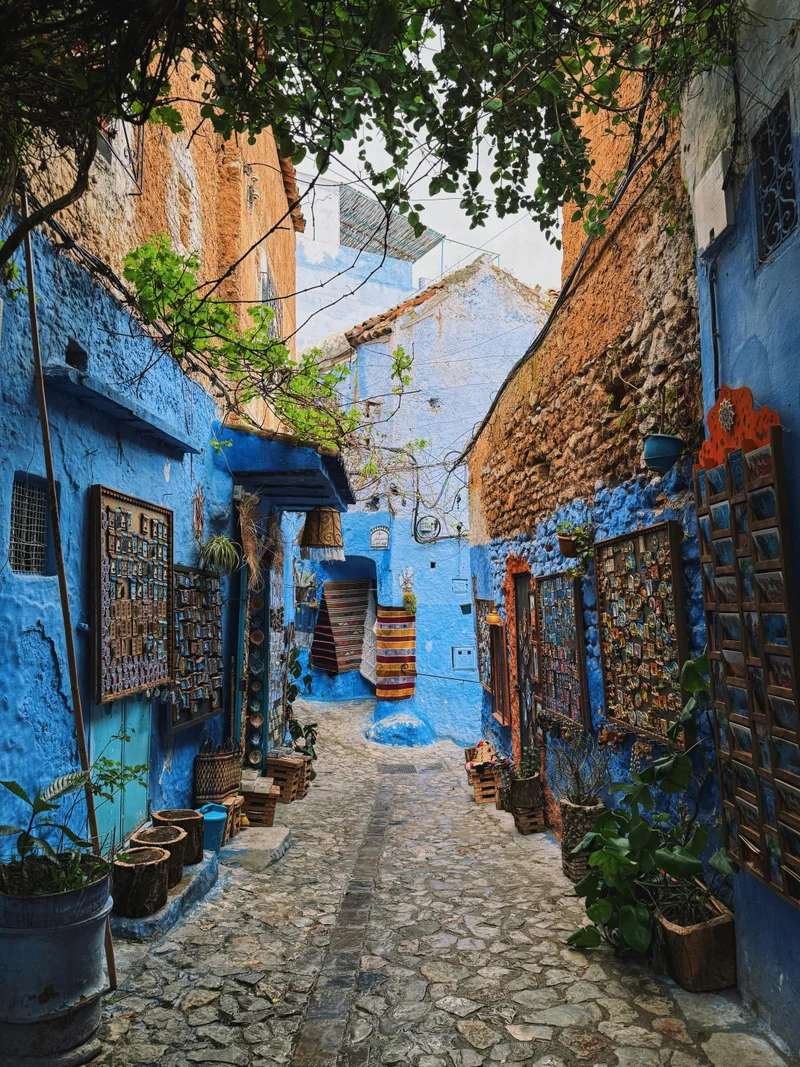
Safety: Morocco is generally very safe for tourists. Violent crime against tourists is rare. Petty theft exists (pickpocketing, bag snatching) but at levels comparable to major European cities.
Standard travel precautions apply. Don't display expensive items conspicuously. Use hotel safes. Watch bags in crowded areas. Walk confidently. These are universal travel basics, not Morocco-specific warnings.
Police presence is visible in tourist areas. Tourism is economically important. The government protects it actively. You'll see tourist police (in distinct uniforms) in medinas and major sites.
The main safety issue isn't crime. It's traffic. Moroccan driving is aggressive. Crossing streets requires attention. Pedestrians don't have automatic right-of-way culturally even where they have it legally.
Language Barriers: Manageable. Tourism areas operate in multiple languages. Hotels, restaurants, and drivers accustomed to tourists communicate effectively. Problems arise less than you expect.
Google Translate works offline if you download Arabic or French language packs. Restaurant menus increasingly have English. Major sites have English explanations.
Misunderstandings happen. You'll order something and get something slightly different. This is normal cross-cultural experience, not disaster. Moroccan hospitality means people try to help even with language limitations.
Cultural Differences: Morocco is culturally distinct from Western countries but not incomprehensible. The learning curve exists but isn't steep.
The pace is different. Things take longer. Efficiency means something else. Punctuality is flexible. This frustrates some travelers and delights others. Adjusting expectations reduces stress.
Gender dynamics differ from Western countries but less extremely than some conservative Muslim contexts. Women work, drive, own businesses, and participate in public life. Expectations about interaction between men and women follow more conservative patterns than in Western countries but aren't restrictive for tourists.
Bargaining in souks is standard. Accepting tea in shops is common. Direct refusal is culturally abrupt. Learning to decline politely ("No thank you, maybe later") preserves goodwill.
Recognizing and Avoiding Common Scams
Fake guides: Politely decline unsolicited offers to 'show you around'
Leather quality: Examine carefully, synthetic often sold as genuine leather
Restaurant bills: Check item by item for added charges
Taxi meters: Insist on meter or agree price before departure
Carpet stories: Research values if making serious purchases
Most interactions are legitimate. Stay alert without being paranoid. Treating every Moroccan as potential scammer damages your experience and is unfair to genuine hospitality.
Women Travelers: Women travel safely in Morocco, both solo and in groups. Some specific considerations apply.
Street harassment (catcalling, comments) occurs more frequently than in Western countries. It's verbal, not physical. Ignoring it works better than engaging. Local women deal with this too.
Modest dress reduces attention. Cover shoulders and knees in cities. This isn't requirement but practical choice that makes moving through public spaces more comfortable.
Women are welcome in cafes and restaurants. Some traditional cafes are predominantly male spaces but this is changing. Use judgment. Tourist-oriented places are always fine.
Nighttime safety is comparable to Western cities. Stay in populated areas. Use official taxis. Standard precautions apply.
Cultural Basics: Practical Etiquette
Greetings: "Salam aleikum" (peace be upon you) is the standard greeting. Response is "wa aleikum salam" (and upon you peace).
Handshakes are common between men. Between men and women, wait to see if the woman extends her hand. Some women shake hands with men, others don't based on personal or religious preference.
Asking "Labess?" (How are you?) after greeting is polite. Standard response: "Labess, hamdullah" (Fine, praise God).
Dress Considerations: Cover shoulders and knees in cities and villages. This applies to men and women. Shorts and tank tops work for beaches, mountains, and desert camps. They're inappropriate for urban streets.
Women don't need headscarves except for mosque visits (Hassan II Mosque in Casablanca allows non-Muslim visitors). Conservative dress is cultural respect, not religious requirement for visitors.
Men's dress is straightforward. Long pants or long shorts, regular t-shirts or shirts. Nothing complicated.
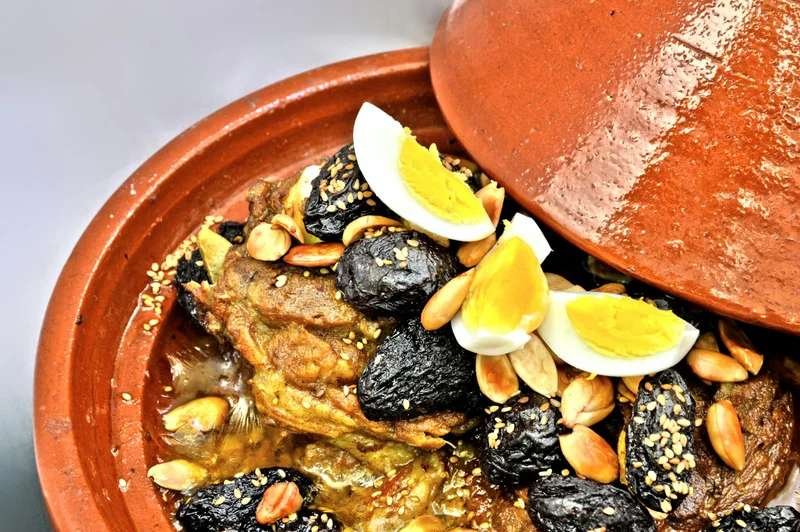
Dining Etiquette: Bread serves as utensil. Tear pieces and use them to scoop food. This is traditional and proper, not primitive.
Tagine is communal dish. You eat from the section in front of you, working toward the center. Don't reach across the tagine for pieces.
Right hand for eating (left hand is considered unclean in traditional Islamic culture). This matters more in traditional settings, less in tourist restaurants.
Say "Bismillah" (in the name of God) before eating. This is polite but not required for non-Muslims.
Mosque Visits: Most mosques are closed to non-Muslims. The major exception is Hassan II Mosque in Casablanca, which offers guided tours.
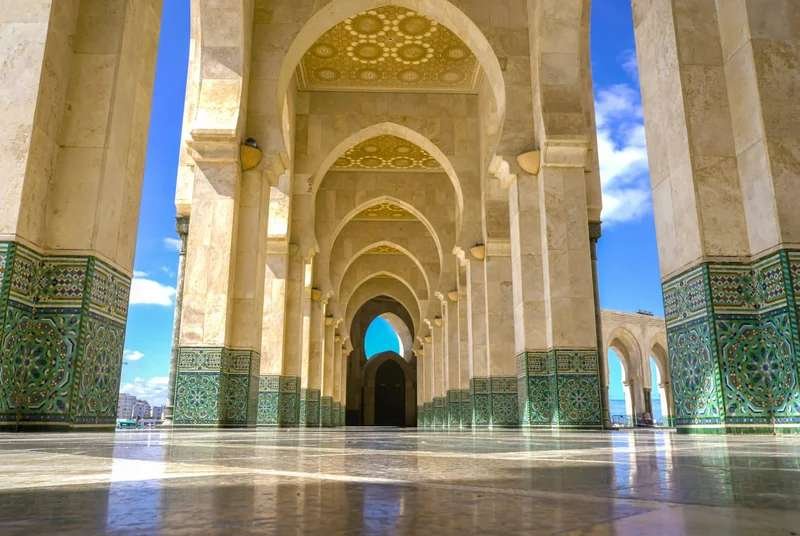
For mosque visits, dress conservatively. Women need headscarves (usually provided). Both genders need covered legs and shoulders. Shoes come off at entrance.
Respect is essential. This is active religious space, not museum. Quiet voices. No pointing at people praying. Photography rules vary.
Ramadan Considerations
During Ramadan (Islamic holy month), Muslims fast from sunrise to sunset. Many restaurants close during day. Those open serve tourists discreetly.
Eating, drinking, or smoking in public during daylight hours is legally acceptable for non-Muslims but culturally insensitive. Use discretion. Eat in hotels or tourist restaurants, not on streets.
Evening meals (iftar) break the fast. The atmosphere is festive. Dates and harira soup traditionally start the meal. This is interesting cultural experience if you're there during Ramadan.
Practical Essentials
Visa Requirements: Most Western nationalities receive 90-day visa-free entry. US, Canadian, UK, EU, Australian, and New Zealand passport holders simply enter with valid passport.
Passport must be valid for six months beyond your departure date. This is standard international requirement.
No advance visa paperwork needed for most tourists. You get entry stamp at airport or border.
Best Entry Points: Marrakech and Casablanca are main international airports. Marrakech works better for tourist itineraries. Casablanca requires onward connection or 1-hour drive to reach interesting destinations.
Fes and Tangier have smaller international airports with European connections. These work for specific routings but offer fewer flight options.
Some travelers enter overland from Spain via ferry (Tangier or Ceuta). This works well if combining Morocco with Spanish travel.
SIM Cards and Connectivity: Mobile network coverage is good in cities, adequate in rural areas, limited in mountains and deep desert. Three main providers: Maroc Telecom, Orange, and Inwi.
Tourist SIM cards are available at airports and phone shops. Bring unlocked phone. Cost is approximately 100-200 dirhams for SIM with data package. This provides better rates than international roaming.
WiFi is standard in hotels and riads. Quality varies. Coffee shops and restaurants increasingly offer WiFi.
Banking and ATMs: ATMs are common in cities, less common in rural areas. Withdrawal limits are typically 2,000 dirhams per transaction. Fees apply (both Moroccan bank and your home bank).
Notify your bank before travel. International card blocks are common security measure but create problems when you're trying to withdraw cash.
Exchange offices and banks exchange major currencies. Airports have exchange counters (rates are slightly worse than city banks but acceptable for initial needs).
How to Start Planning Your Trip
How Long to Stay: Minimum: 7 days allows basic itinerary (one or two cities plus desert or coast) Ideal: 10-14 days provides geographic variety without constant movement Extended: 3+ weeks enables comprehensive exploration
First trips typically run 10-12 days. This shows Morocco's diversity without excessive rushing. You see multiple regions, spend adequate time in key places, and leave wanting to return rather than exhausted.
Best First-Time Itinerary Structure: Most successful first visits include:
- One or two imperial cities (usually Marrakech and/or Fes)
- Atlas Mountains component (day trips or overnight)
- Desert experience (2-3 days including travel)
- Possible coastal addition if time allows
This combination shows Morocco's primary contrasts: urban medinas, mountain landscapes, desert experience. You understand what Morocco offers and can target different regions on return visits.
The Morocco Detour approach typically follows this structure for first-timers, adjusted based on specific interests and travel style.
When to Book Your Trip
High season (Mar-May, Sep-Nov): Book 3-4 months ahead for good accommodation selection. Popular riads and camps fill early.
Shoulder season (Feb, Jun, early Dec): Book 6-8 weeks ahead. Availability is better but good properties still fill.
Summer and winter: Book 3-4 weeks ahead minimum. More last-minute availability exists but planning ahead ensures choice.
Major holidays (Christmas, New Year, Easter): Book 4-6 months ahead. These are peak periods with premium pricing.
Guided Versus Independent: The decision depends on comfort with uncertainty, available time, and travel style preferences.
Independent travel advantages:
- Lower cost
- Maximum flexibility
- Discovering things yourself
- No schedule constraints
Independent travel challenges:
- Time spent on logistics
- Navigation difficulties
- Language barriers
- Transportation coordination
- Uncertainty about accommodation quality
Guided/organized travel advantages:
- Pre-arranged logistics
- Local knowledge and connections
- Efficient time use
- Reduced stress and problem-solving
- Confirmed accommodations
Guided/organized travel challenges:
- Higher cost
- Less spontaneity
- Following someone else's preferences
- Potential over-scheduling
Many first-timers benefit from organization. Our approach provides structure with flexibility. You have confirmed logistics but choose how you spend time at destinations. This works well for travelers who want reliability without feeling herded.
What to Expect: Setting Realistic Mental Framework
The Pace: Morocco operates slower than Western countries. Services take longer. Conversations happen before transactions. Efficiency is culturally weighted toward relationship over speed.
This isn't inferior. It's different. Adjusting expectations reduces frustration. If you need lunch fast, understand that "fast" means 30-45 minutes, not 15.
The Intensity: Medinas are sensorially dense. Sounds, smells, visual input, social interaction all operate at high level. This is simultaneously exciting and exhausting.
Plan rest time. Return to your riad. Sit in calm spaces. Don't schedule every hour. The intensity is part of the experience but requires pacing.
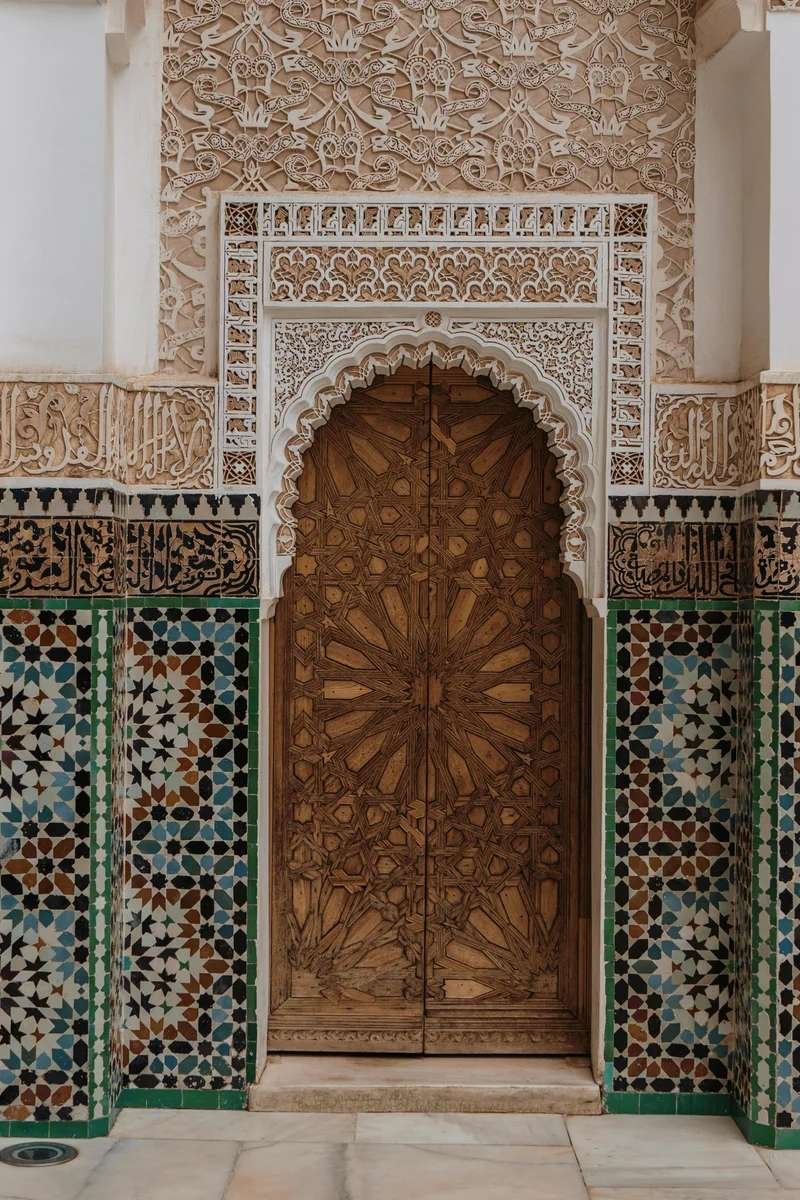
The Negotiation: Prices are negotiable in souks. This feels foreign to travelers from fixed-price cultures. Some enjoy haggling. Others find it stressful.
Accepting negotiation as cultural practice rather than personal confrontation helps. Think of it as game with social rules. Play if you want. Decline politely if you don't.
The Attention: Tourists attract attention. Vendors will invite you to shops. Children might ask for photos or pens. People will offer to help (sometimes for money, sometimes from genuine hospitality).
This isn't hostile. It's energetic commerce and social interaction. Setting boundaries politely is acceptable and expected. "No thank you" works. Repeat as needed.
First-Timer Mistakes to Avoid
Overpacking the itinerary: Experience three places well rather than six places poorly. Quality over coverage.
Skipping rest days: Morocco is intense. Buffer days prevent burnout. Your body and mind need processing time.
Avoiding street food: Choose busy stalls with high turnover. It's generally safe and you miss authentic experiences avoiding it entirely.
Being inflexible: Plans change. Shops close unexpectedly. Delays happen. Flexibility and humor make everything easier.
Comparing constantly to home: Morocco isn't trying to be your home country. Accept difference rather than judging it.
Common Questions Answered
Is tap water safe? No. Drink bottled water. Most accommodations provide it. Teeth brushing with tap water is generally fine.
Can I drink alcohol? Yes. Larger hotels have bars. Some restaurants serve alcohol. Liquor stores exist in modern city areas. It's less visible than in Western countries but available.
Are there vegetarian options? Abundant. Moroccan cuisine includes many vegetable dishes. Tagines, couscous, and salads all have vegetarian versions. Declaring dietary needs is straightforward.
How much French do I need? None required but helpful. "Bonjour," "merci," and "s'il vous plaît" go far. Most situations don't require French if you're patient and creative.
Can I visit during Ramadan? Yes. Understand that daytime dining options are limited and some businesses close. Evening atmosphere is festive. It's interesting cultural time if you're respectful.
Why Morocco Works for First-Time Visitors
Despite concerns, Morocco functions well as first destination outside Western countries. The infrastructure supports tourism. English is increasingly common. Private travel arrangements remove logistical uncertainty. The cultural differences are present but not overwhelming.
The experiences are accessible. You don't need extreme adventure tolerance. Families travel here successfully. Honeymoon couples find romance and safety. Cultural explorers discover depth without difficulty.
Morocco rewards openness without requiring extreme adaptation. First-timers consistently report that it was easier than anticipated while remaining genuinely different and memorable.
The key is understanding what to expect, making appropriate preparations, and approaching differences with curiosity rather than anxiety.
Making Your First Visit Successful
Success in Morocco comes from three elements: realistic expectations about pace and cultural differences, appropriate preparation with logistics and cultural basics, and openness to experiences that differ from home.
First-time visitors who understand these elements consistently have transformative trips. Those who expect Western efficiency and familiar patterns often struggle unnecessarily.
Morocco isn't difficult. It's different. That difference is exactly what makes it worth visiting.
Quick First-Timer Reference
Planning your first Morocco trip and want expert guidance? We specialize in first-time visitors, removing uncertainty while preserving the discovery that makes Morocco fascinating.