Spring in Morocco: The Season Nobody Describes Properly
Every travel guide says the same thing: spring is the best time to visit Morocco. Then they talk about the weather. Mild temperatures, comfortable days, not too hot. As if Morocco were a thermostat.
The weather is fine. It is also the smallest part of what is going on.
Spring in Morocco is a four-month arc of overlapping events, harvests and festivals. From mid-February through May, the country moves through almond blossoms, Ramadan, Eid al-Fitr, the rose harvest, and the Nomads Festival, each one layered on top of regional landscapes that shift from snow-capped mountains to desert dunes within a few hours of driving.
Most guides pick one of those events and ignore the rest, or flatten the whole thing into "nice weather, fewer crowds." Here is the month-by-month version, and what it means for your dates.
Spring in Morocco at a Glance
Mid-February to Early March: Almond Blossoms and the Start of Ramadan
Two things happen almost simultaneously in 2026. The almond trees bloom in the Anti-Atlas mountains, and Ramadan begins on approximately February 18.
The Almond Blossoms
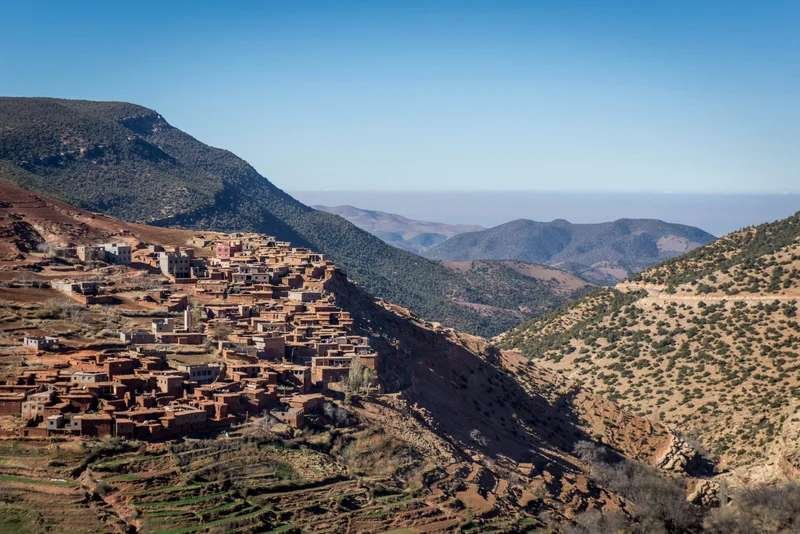
Around the town of Tafraoute, in the Ameln Valley south of Agadir, thousands of almond trees erupt in white and pale pink. The landscape they sit in makes this more striking than any European blossom season: massive red granite boulders stacked in impossible formations, dry riverbeds, and Amazigh villages built into the hillsides. The blossoms are delicate against a backdrop that is anything but.
The Almond Blossom Festival typically takes place in the second half of February: Amazigh music, craft stalls, and amlou to taste, the thick paste of almonds, argan oil and honey that belongs to this corner of the country. It is a small, local festival, and no tour buses come.
The bloom window is short. Two to three weeks, depending on the year. By mid-March, it is mostly over.
Ramadan Begins
Ramadan 2026 runs from approximately February 18 to March 19. For many travelers, this is where the planning gets complicated. It should not be.
Ramadan changes the daily rhythm of the country. Mornings are quieter, the medinas half-empty, the light falling on streets that are normally packed. Then, at sunset, everything shifts. The ftoor (the evening meal that breaks the fast) fills every table in every home, and afterwards the markets, the cafes and the streets stay busy with families until well past midnight.
The food alone is worth the timing. The ftoor table is a tradition unto itself: harira (a slow-cooked soup that anchors every Ramadan table in Morocco), chebakia (hand-shaped sesame pastries dipped in warm honey), baghrir (thousand-hole semolina pancakes with melted butter), msemen (layered flatbread), briouats (crispy stuffed pastries), and a spread of accompaniments that takes all afternoon to prepare. This meal appears every evening for thirty days, in every household in the country. When your riad prepares its own version, or when you are invited to share it with a family, you are tasting something that exists whether you are there or not.
We have written a full guide to experiencing Ramadan as a traveler. The short version: do not cancel your trip, adjust your hours. We build Ramadan itineraries around the month's own timetable, which means late starts, unhurried afternoons and long evenings. Read our full Ramadan guide
In 2026 the almond bloom overlaps with the first days of Ramadan, so a single trip can take in the Anti-Atlas orchards and then the first ftoor evenings in a city like Fes or Marrakech. We build that combination into our spring itineraries when the dates align. See our spring journeys
Mid-March: Laylat al-Qadr and Eid al-Fitr
Laylat al-Qadr
The 27th night of Ramadan, Laylat al-Qadr (the Night of Destiny), falls around March 15-16 in 2026. It is the holiest night of the Islamic year. Mosques overflow. In Marrakech, the area around the Koutoubia Mosque closes to traffic. In Fes, the Qarawiyyin overflows into the alleys around it: worshippers spilling out of the doorways, incense in the air, children in traditional clothing receiving gifts.
If you are Muslim, Taraweeh prayers in Fes on that night stay with you. Non-Muslim companions cannot enter the mosques, but the scene carries as far as the rooftops and cafes around them.
If your dates have any flexibility at all, this is a night worth setting them by.
Eid al-Fitr
Around March 20, Ramadan ends and Eid al-Fitr begins. The country exhales.
Eid morning starts with communal prayer. Families gather. Children wear new clothes. Sweets fill every table: kaab el ghazal (gazelle horns, crescent-shaped almond pastries), fekkas (crunchy twice-baked biscuits with almonds and anise), and honey-soaked briouats. The greeting you will hear everywhere is "Awachar Mabrouka," roughly "blessed celebrations."
The streets fill. The mood is festive and communal, and none of it is staged for anyone's benefit.
Practical note: the first day or two of Eid, some shops and museums close. Transport gets busy as Moroccans travel to see family. Book transfers in advance.
Eid is worth planning around. It is a family occasion first, and visitors are welcome at the edges of it. Plan your trip around Eid
Late March to April: The Transition
Eid is over and there is no festival left for the headlines to attach to, which is why this stretch goes unmentioned. It is also, for a great many travelers, the best window of the year for visiting Morocco.
Here is why.
The European Easter crowds (Easter Sunday is April 5 in 2026) are manageable, and they concentrate in Marrakech. Outside the main circuit the numbers thin out fast.
The weather across the whole country is at its best. The Atlas Mountains still have snow on the peaks but the valleys are warm and green. The Sahara is comfortable during the day and cool at night, perfect for sleeping under the stars. Coastal cities like Essaouira and Agadir are warm without the summer wind.
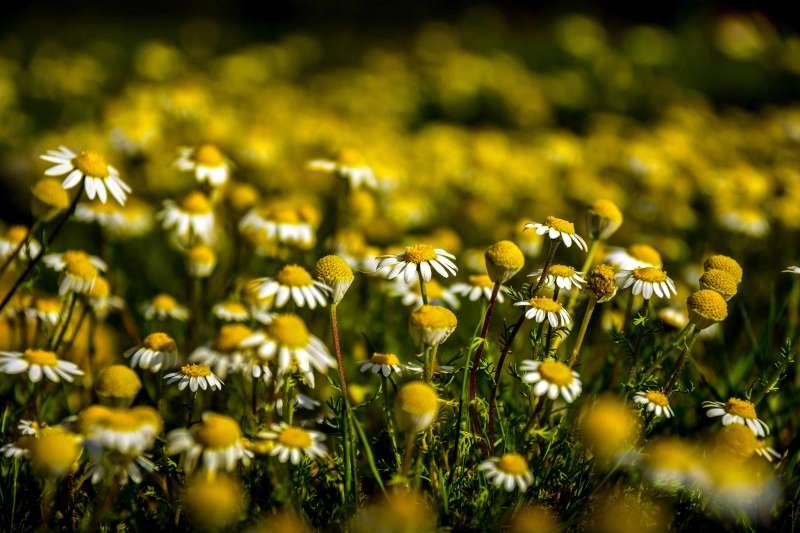
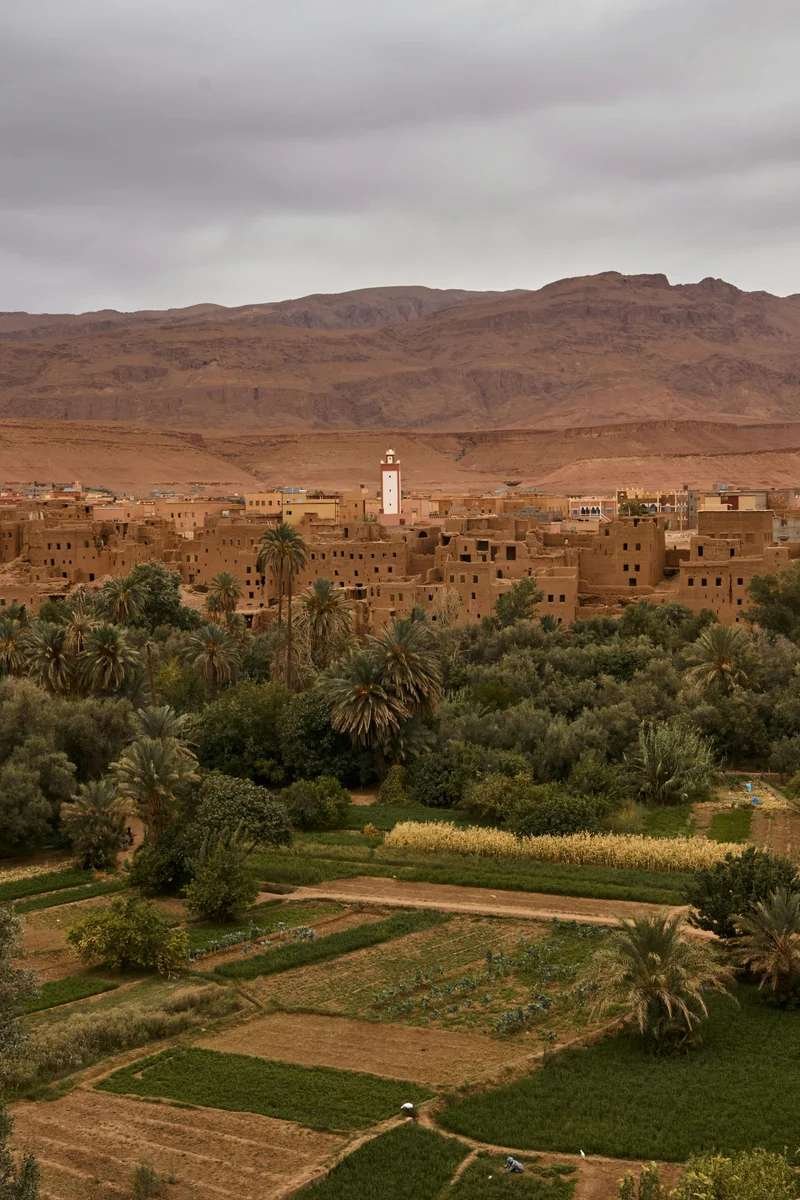
The countryside is at its most beautiful. Morocco in late March and April is green. The normally dry landscapes of the Middle Atlas and High Atlas are covered in wildflowers. The Dades and Todra gorges, which look austere in summer photos, are lush. If you hike during this window, you see a Morocco that contradicts every expectation of a "desert country."
The cultural calendar has simply gone local. Amazigh spring celebrations continue in the mountain villages, and the weekly souks (markets) are at their most abundant of the year. The fields are working too: olive groves, citrus orchards, and the first of the rose harvest coming on.
This is the window we push hardest when a client asks us to choose their dates for them. Our late March and April itineraries lean on the green landscapes and the manageable crowds, and on the Easter overlap for anyone who wants somewhere warmer than a European spring. Explore our late spring itineraries
May: Roses, Nomads, and the Last of Spring
Two things happen in May, and either one can set your dates.
The Rose Harvest (Kelaat M'Gouna and the Dades Valley)
In the Dades Valley, east of Ouarzazate, the rose harvest runs through most of May. The Valley of Roses, as it is known, produces thousands of tons of Damask roses each year, distilled into rose water and rose oil that supplies the global cosmetics industry.
During harvest season the fields along the valley road are pink and the air smells of roses. Women pick the blooms by hand in the early morning, before the sun gets to them. The petals go into baskets and on to the local distilleries.
The Rose Festival in Kelaat M'Gouna (usually in the first or second week of May) celebrates the harvest with music, dancing, a parade, and the crowning of a Rose Queen. It is loud, crowded and entirely local, and it has grown in recent years without turning into a production.
The Dades gorge is worth the drive at any time of year. In May you make that drive through pink fields, with snow still on the mountains behind them.
The Nomads Festival (M'Hamid El Ghizlane)
At the edge of the Sahara, the town of M'Hamid hosts the Nomads Festival (Festival International des Nomades), usually in late March or April but sometimes extending into early May depending on the year. Check the 2026 dates as they are confirmed.
The festival celebrates Saharan nomadic culture: camel races, traditional music from across the Sahara (Gnawa, Hassani, Amazigh), poetry, craft demonstrations, and guided desert excursions. It takes place where the tarmac ends and the dunes begin.
It is dusty, under-sponsored, and run by the communities it belongs to. If your itinerary brings you to the desert in spring, it is worth timing around.
We will build either of these into a spring itinerary, or both if your dates stretch that far. Talk to us about May travel
The Spring Arc: Why It Matters for Planning
Spring in Morocco is not a season. It is a sequence:
Mid-February: Almond blossoms in the Anti-Atlas. Ramadan begins.
Late February to mid-March: Ramadan rhythms. Quiet mornings, long ftoor evenings, Fes after dark.
Mid-March: Laylat al-Qadr. Eid al-Fitr. The country celebrates.
Late March to April: Green landscapes, easy weather, manageable crowds, the Atlas Mountains at their greenest, and the Easter overlap.
May: Rose harvest in the Dades Valley. Nomads Festival in the Sahara.
Each of these can anchor a trip, and two of them can carry one. Decide which ones matter to you, then set your dates around them. Choosing the dates first and hoping something is on is how good weeks get spent badly. For a month-by-month comparison, our guide to when to visit Morocco covers the full year.
That is how we build them.
How We Design Spring Trips
We build each itinerary from your dates, your interests, and whatever the country happens to be doing in that window. If you are working out what a Morocco trip involves, spring gives you the most to work with.
For spring, that means reading the calendar against your interests. April suits a honeymoon; late March suits a family who want to be in the country for Eid; a photographer chasing the rose harvest and a hiker after green Atlas valleys need different weeks again.
The details that decide how a spring trip goes are unglamorous ones: Ramadan timing and what it does to the daily rhythm, the DST suspension, which restaurants are open in which city, festival dates, bloom windows, and how far apart two regions really are.
The season fills up. Riads and desert camps book early for spring, especially around Eid and the rose harvest. If you are considering Morocco between February and May, the earlier you start planning, the better the options.
Start planning your spring trip
Spring Books Early
The riads and desert camps worth having go months ahead for Eid and for the rose harvest. Start a conversation and we'll tell you what is still open on your dates.
Spring in Morocco Quick Reference
Yalla Visit Morocco designs private, custom journeys across Morocco. Your party only, your dates, and an itinerary built around whatever the country is doing the week you arrive. Start planning.
Frequently Asked Questions
- What is the weather like in Morocco in spring?
Warm days and cool nights, with snow still on the Atlas peaks while the valleys below are green and full of wildflowers. The Sahara is comfortable by day and cold enough at night for a jacket. Coastal cities are warm without the summer wind. Late March through April is the steadiest stretch across all regions.
- What festivals happen in Morocco in spring?
The Almond Blossom Festival in Tafraoute in February, Ramadan and Eid al-Fitr across February and March, the Rose Festival in Kelaat M'Gouna in May, and the Nomads Festival in M'Hamid el Ghizlane. These are local occasions with local audiences. None of them is built for an audience of visitors.
- When is the rose harvest in Morocco?
The rose harvest runs through most of May in the Dades Valley east of Ouarzazate. The Rose Festival in Kelaat M'Gouna typically takes place in the first or second week of May with music, dancing, and a parade. During harvest season, the valley fields are pink and the air smells of Damask roses.
- What should I pack for Morocco in spring?
Layers, and more of them than the daytime temperature suggests. Sun protection and comfortable walking shoes for the day, a warm jacket for the mountains and for desert nights. If you are traveling in February or early March, during Ramadan, pack something with sleeves for time spent around mosques and in smaller towns.
- Is spring a good time to visit the Sahara Desert in Morocco?
Yes. February through April is the Sahara at its best: daytime heat that is manageable, nights cold enough to want a blanket, and camps that operate normally through Ramadan.